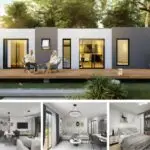

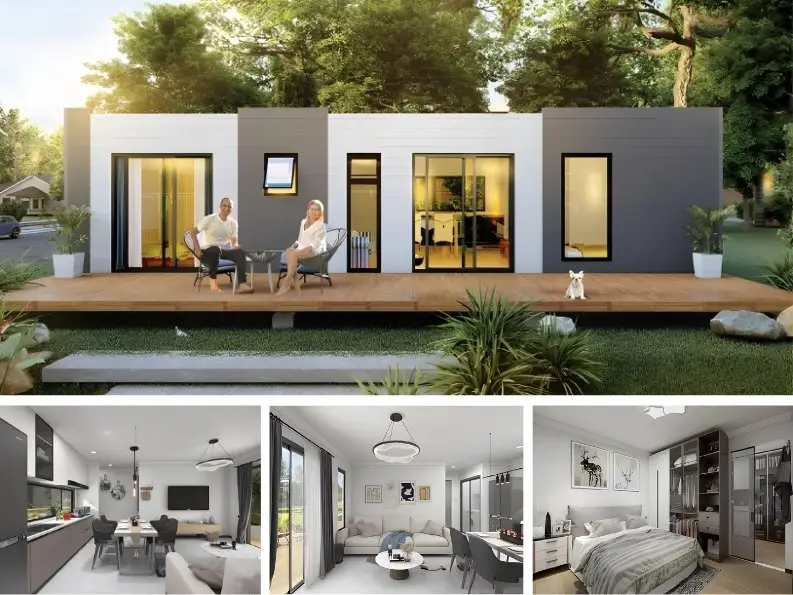
Choosing between a 2-, 3-, or 4-bedroom prefab home depends on your household size, future plans, and budget. For many buyers, the 2 bedroom vs 3 bedroom prefab home decision comes down to flexibility—three bedrooms often provide the best balance between space, cost, and long-term usability.
The right prefab home size depends on lifestyle, family plans, and budget—but three-bedroom layouts often offer the best flexibility for long-term living.
Quick takeaways:
- Two-bedroom homes suit couples or downsizers.
- Three-bedroom homes offer flexibility for families or home offices.
- Larger homes make sense for multi-generational living or frequent guests.
Why Home Size Matters More Than People Expect
Choosing the right prefab home size isn’t just about how many bedrooms you need today. It’s also about how your household might evolve.
A home that feels perfect for a couple today may feel cramped in a few years if work-from-home needs change or a family grows. This is why many buyers explore prefab house size options early in the planning process rather than simply choosing the smallest available design.
Understanding how modular homes are planned and delivered can also make these decisions clearer. Many people first get a sense of this through examples explaining how modular homes transform lives, where layout flexibility and construction timelines are discussed in more detail.
The early stages of the prefab home building process—including planning approvals, site preparation, and delivery logistics—also influence which size home works best for a particular property. A broader overview of those steps is covered in planning and compliance in Australia, which explains how permits and zoning affect prefab projects.
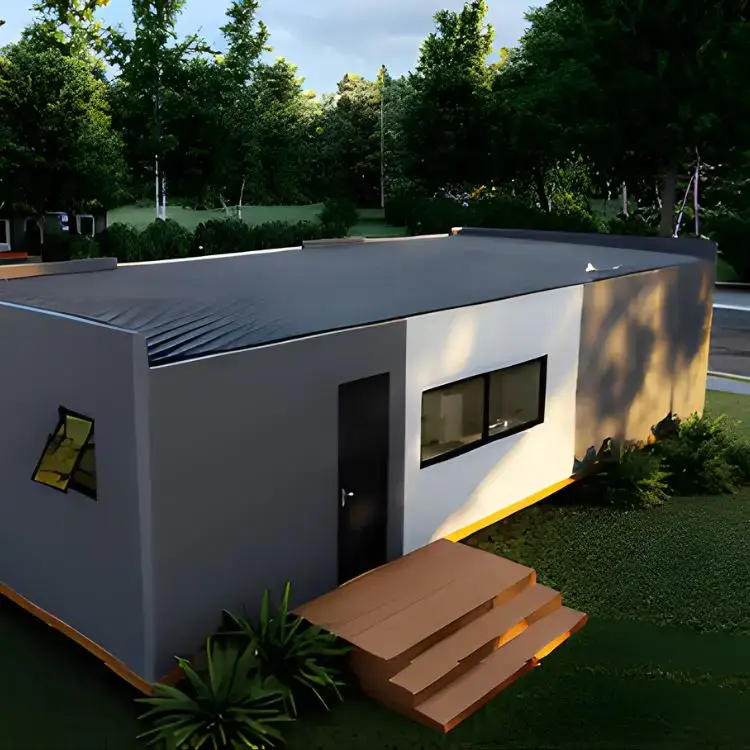
Two-bedroom Prefab Homes: Simple And Efficient
For many buyers, two-bedroom homes are the most straightforward entry point into prefab living.
Best suited for couples or downsizers
A two-bedroom prefab typically provides enough space for a primary bedroom and a flexible second room that can serve as a study or guest bedroom.
These homes are often chosen by couples, retirees, or buyers building smaller lifestyle homes on regional land. In some cases, they also serve as secondary dwellings or holiday accommodation.
Lower upfront cost and footprint
Because they are smaller, two-bedroom homes usually come with a lower build cost and require less land preparation. Buyers comparing options often review pricing ranges in budgeting for a 3-bedroom prefab home, where cost categories like site preparation, delivery, and installation are explained.
However, while a two-bedroom design can work well initially, some households eventually find that limited space becomes restrictive—especially when work-from-home needs increase.
Three-bedroom Prefab Homes: The Most Versatile Option
For many households, three bedrooms offer the ideal balance between practicality and flexibility.
The sweet spot for families
A 3-bedroom prefab is widely considered the best size prefab for family living. It provides space for parents, children, and often an additional room that can be used as a home office or guest room.
This adaptability is one reason discussions around why a 3-bedroom prefab is perfect for Australian families highlight how the third room can evolve with changing needs.
Three-bedroom homes also tend to perform well in resale markets because they align with typical buyer expectations for family housing.
Flexibility for future needs
Three-bedroom homes can adapt easily to lifestyle changes. One room may begin as a home office and later become a child’s bedroom or hobby space.
A practical example of this layout is the Lunar G3 3-Bedroom Prefabricated House, which balances open living areas with private bedrooms and adaptable spaces.
Homes like this are often used to demonstrate how modern prefab layouts support family living, remote work, and flexible interior planning.
Four-bedroom Prefab Homes: Space for Larger Households
Although many prefab builders specialise in compact homes, larger layouts are sometimes considered for bigger households.
Suitable for multi-generational households
Four-bedroom homes are typically chosen by families who expect grandparents, adult children, or frequent guests to stay.
Some households exploring multi-family prefab homes prefer larger layouts that create separation between sleeping areas and shared spaces. Multi-generational living is becoming increasingly common in Australia, particularly as families look for flexible housing arrangements.
Larger homes mean larger budgets
Naturally, increasing the size of the home increases overall project cost. Additional space affects materials, transport, installation, and finishing work.
Comparing layouts alongside a broader prefab and traditional construction cost can help clarify how home size affects long-term financial planning.
Planning for The Future, Not Just Today
Many buyers initially focus on their current lifestyle—but future needs can change quickly.
Avoiding common planning mistakes
Choosing a home that’s too small is one of the most common prefab home planning mistakes. While smaller homes may reduce upfront costs, they can limit flexibility later.
Thinking about future needs, such as children, remote work, aging relatives, or visiting guests, can help ensure the home remains practical long term.
Exploring prefab homes’ pros and cons often highlights how long-term flexibility influences buyer satisfaction years after construction.
Questions Worth Asking Before Deciding
Choosing the right home size becomes easier when you gather the right information early.
Questions that clarify your needs
Knowing the right questions to ask a prefab home builder can help you understand which layout will suit your land and lifestyle.
These often include:
- What size home works best for my site access?
- How flexible are the layouts if my needs change?
- Are upgrades or layout adjustments possible?
- How will site preparation affect the final cost?
Understanding these details early makes it easier to choose between different prefab house size options.
Comparing Prefab Home Sizes From a Cost Perspective
Budget inevitably plays a role in deciding which size home makes sense.
How size affects overall cost
Larger homes generally cost more to build, transport, and install. However, some project expenses—like delivery logistics and site preparation—remain similar regardless of size.
This is why many buyers compare 2 with 3 bed modular home layouts carefully, weighing the additional space against the overall project cost.
Considering both financial and lifestyle factors helps ensure the chosen design supports daily living as well as long-term value.
So Which Prefab Home Size is Right For You?
Choosing the right size ultimately depends on how you plan to live in the home—not just today, but years from now.
Two-bedroom homes work well for couples or downsizers who prioritise simplicity. Three-bedroom homes provide the most versatility for families and remote work. Larger homes are typically suited to multi-generational households or those who frequently host guests.
The key is choosing a layout that matches both your current lifestyle and future plans.
Ready To Explore Your Options?
If you’re weighing up different prefab home sizes and want to see how they might work on your land, you can get in touch through our contact page to discuss your plans or ask questions about layouts, site access, and next steps.
You can also download our catalogue to explore available designs and compare different prefab home layouts in more detail.
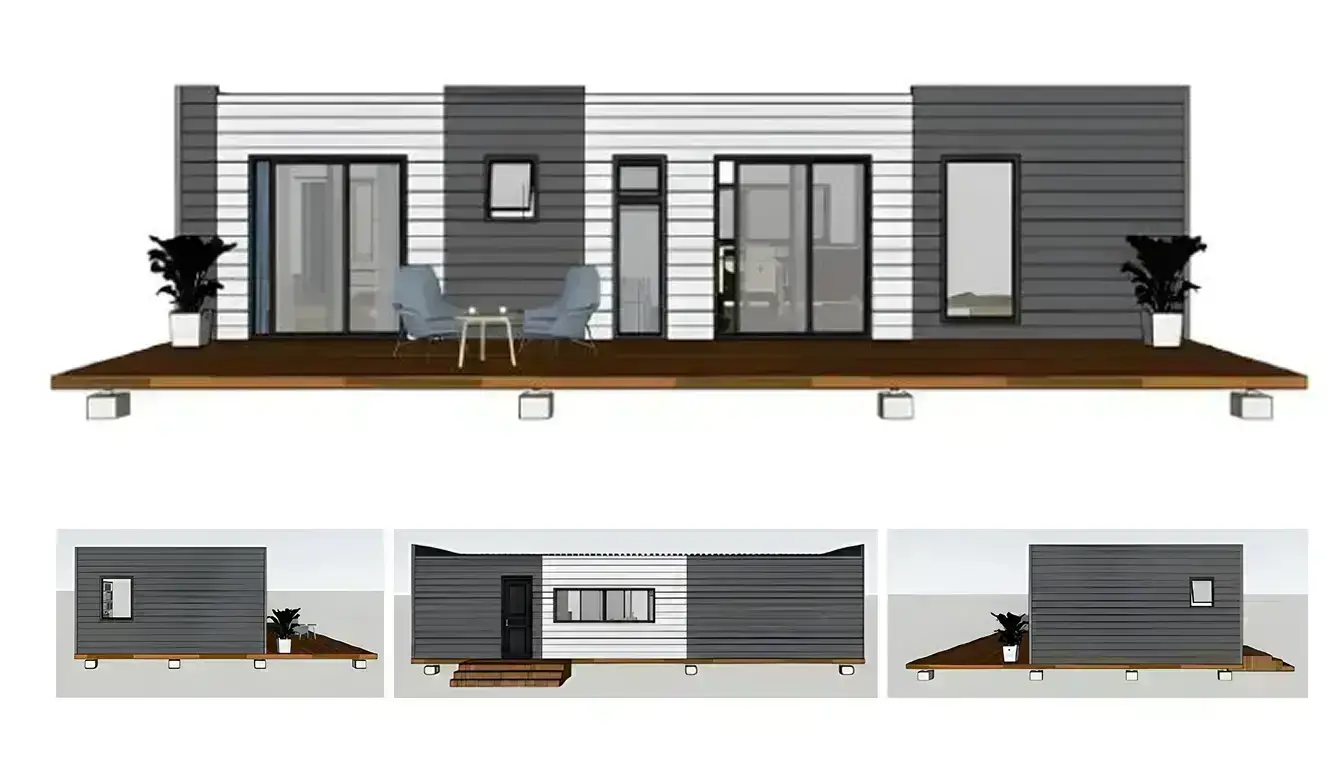
Sometimes seeing how different layouts are configured makes it much easier to decide which home size fits your lifestyle.
Frequently Asked Questions
Is a 2-bedroom prefab enough for a small family?
It can work for couples with one child, but many families prefer three bedrooms for added flexibility.
Is a 3-bedroom prefab the most popular option?
Yes. Three-bedroom homes are often the most versatile option for families, guests, and home offices.
Do larger prefab homes cost much more?
Costs increase with size, but some project expenses remain similar across layouts.
Can prefab homes be expanded later?
Some modular designs allow expansion, depending on the site and structure.