
A smart prefab home office design lets Australian families work from home comfortably without sacrificing shared living space. In a well-planned 3-bedroom prefab, one room can function as a productive workspace while the rest of the home still feels like a family home.
A 3-bedroom prefab can support work-from-home life by turning one room into a quiet, flexible office without disrupting family routines.
Quick takeaway:
- A dedicated home office can fit comfortably within a 3-bedroom prefab layout.
- Smart zoning makes it easier to work from home without disrupting family life.
- Flexible rooms allow the home office to adapt as work needs change.
Why Work-From-Home Design Matters More Than Ever
With a large and growing share of Australian employees now working remotely at least part-time, homes are no longer just places to live—they’re places to work, study, and focus.
For families, that creates a challenge. How do you carve out a quiet, productive workspace without taking over the dining table or a child’s bedroom?
This is where home offices in modular home layouts really shine. Prefab homes are designed with efficiency and flexibility in mind, making it easier to plan a dedicated work zone from the start. If you’re still weighing up whether prefab is the right path, our why prefab guide breaks down how this building approach supports modern lifestyles.

Can a 3-Bedroom Prefab Really Fit a Home Office?
Yes—and it’s one of the most common reasons families choose a 3-bedroom layout.
In many cases, the third bedroom becomes:
- A dedicated home office gives you a quiet, focused workspace that stays separate from family living areas.
- A hybrid study and guest room allows the space to work hard day to day while still being ready for visitors when needed.
- A flexible space that changes as work needs evolve means the room can shift between office, retreat, or spare bedroom as life and work patterns change.
With the right layout, work and family life can comfortably coexist in a 3-bedroom prefab. It’s this flexibility that makes these homes work across so many lifestyles, which we explore in our guide on why a 3-bedroom prefab is perfect for Australian families.
Where a Home Office Works Best in a Family Prefab Home
The right location for a home office can make a big difference to how well work and family life coexist in a shared home.
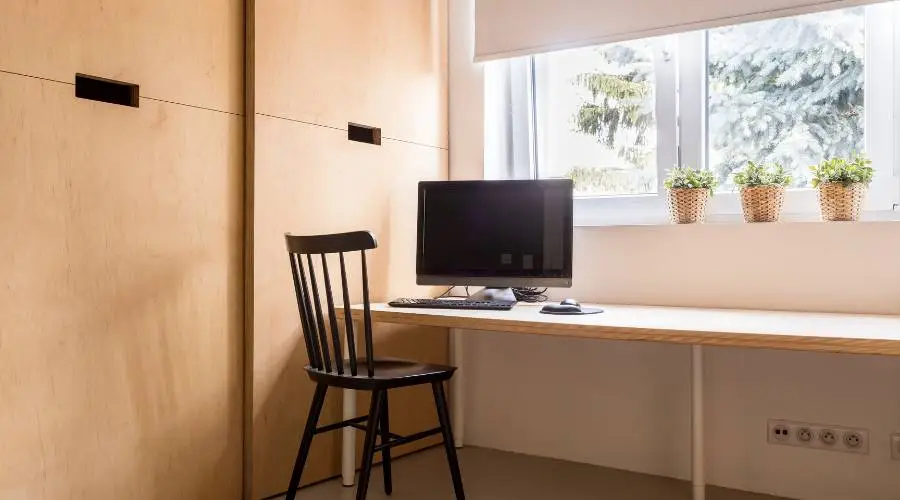
Using the third bedroom as a dedicated workspace
The most straightforward option is turning the third bedroom into a full-time office. This works best when the room is positioned away from high-traffic areas like the kitchen or living room.
Creating separation without isolation
A good office doesn’t have to feel cut off. Proximity to shared spaces can still work if sound, light, and layout are handled well—especially in open, modern prefab designs.
Planning for future flexibility
One of the benefits of prefab is adaptability. A room used as an office today can easily become a guest room, teen retreat, or hobby space later on.
This adaptability is especially useful for multi-family prefab homes, where different generations may use rooms differently over time.
Key Design Features That Make a Home Office Work
A successful home office isn’t just about having a desk—it’s about designing the space so it supports focus without disrupting family life.
Natural light without distraction
Natural light helps productivity, but positioning matters. Side windows or filtered light often work better than windows facing busy outdoor areas.
Sound control for real focus
Simple sound-softening measures—like solid doors, rugs, or acoustic panels—can make a big difference, especially when kids are home.
Storage that keeps work contained
Built-in storage or dedicated shelving helps keep work materials out of shared family areas, so the house still feels like home after hours.
These are the same principles we apply when designing home office space across many of our prefab layouts.
Balancing Work and Family Life in Shared Spaces
One of the biggest concerns families raise is boundaries. When work spills into living areas, it’s harder to switch off.
A dedicated workspace within a prefab helps create a clear mental and physical separation between work time and family time. This balance is one of the reasons prefab family homes are increasingly chosen by households blending work, parenting, and everyday living.
How the Lunar G3 Supports Work-From-Home Living
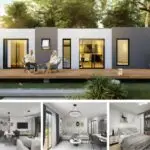
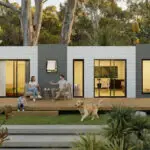
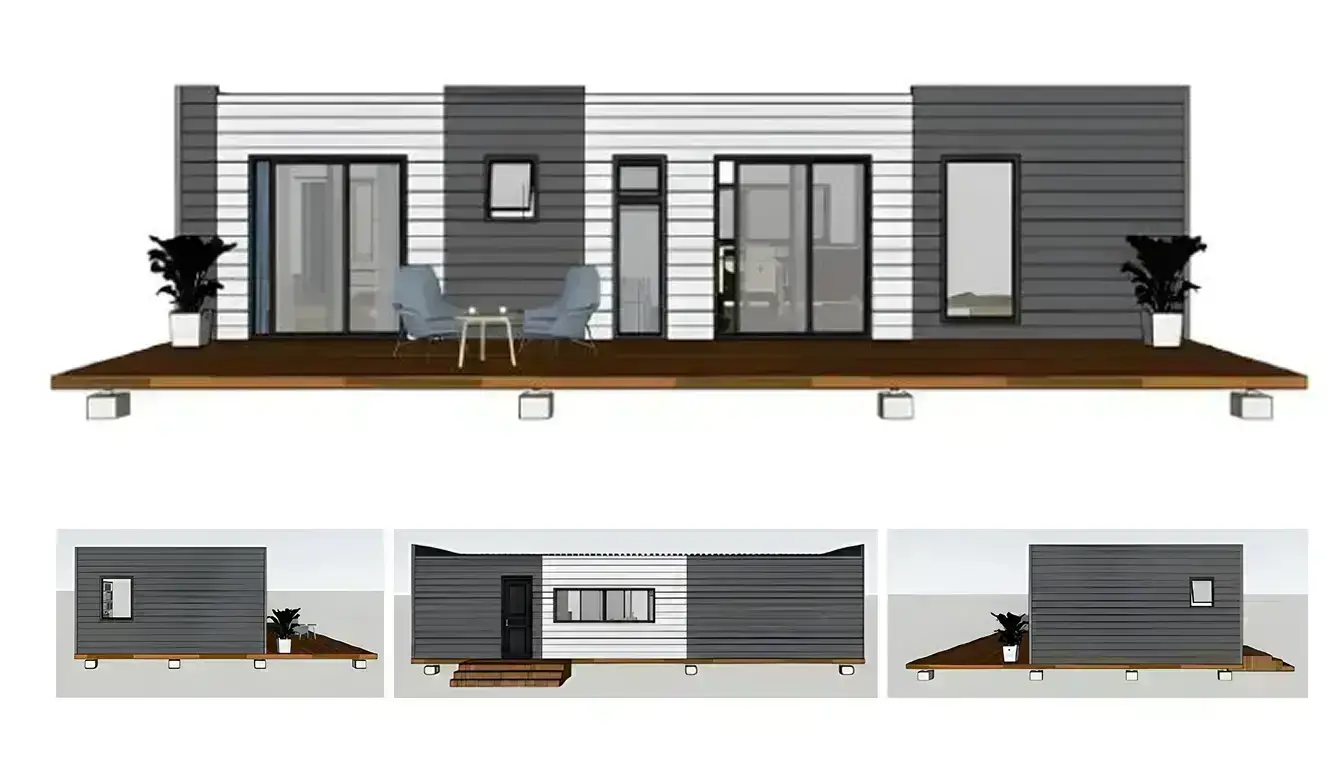
The Lunar G3 3-Bedroom Prefabricated House is designed to balance focused work with everyday family life, making it easier to work from home without disrupting shared spaces.
A layout that supports focus and flow
The Lunar G3 3-Bedroom Prefabricated House is designed with balanced zoning, making it easier to allocate one bedroom as a home office without disrupting family areas.
Space that adapts over time
The third bedroom can operate as a dedicated office now and transition to another purpose later, which is ideal for families whose work situations may change.
Open living without noise overload
Shared areas remain open and connected, while private rooms—including a home office—can be positioned for quieter use.
Work-From-Home Isn’t Just for City Living
Prefab home offices aren’t only for suburban households. Many families building in regional areas or lifestyle locations plan workspaces from day one.
This is common in homes designed as both a primary residence and a prefab holiday home in Australia, where one or two adults still work remotely while enjoying a different pace of life.
You can see how prefab adapts to different use cases in our Airbnb and lifestyle content as well.
Planning considerations before you commit
Before locking in a home office within a prefab layout, it’s worth thinking through a few practical details that can make a big difference long term.
Internet access and connectivity
Reliable internet is essential for working from home, so it’s important to consider connection options early—especially on regional or semi-rural sites.
Site orientation for light and privacy
How the home sits on the block affects both natural light and privacy, which can influence how comfortable and usable a home office feels day to day.
Council and planning considerations for work use
If the home will regularly support work-from-home activities, it’s worth understanding any local planning or compliance requirements before moving forward.
We explain these considerations in more detail in our guide to planning and compliance in Australia, which can help you plan with confidence.
Is a Prefab Home Office Right for Your Family?
You want a dedicated work zone without upsizing
A 3-bedroom prefab allows you to work from home without building larger than necessary.
You need flexibility as work patterns change
Whether work becomes full-time remote or shifts back to part-time, the space can adapt.
You value clear separation between work and family life
A designated office helps protect shared spaces and family routines.
Ready to take the next step?
If you’re thinking a work-from-home prefab could suit your family, we’re happy to talk things through and help you explore what’s possible. You can reach out via our contact page or browse layouts and options by downloading the Lunar Nest catalogue. We’re also happy to discuss site access, room placement, and how to balance work and family life in your future home.
A home should support how you live and work—not force compromises. With the right work-from-home prefab solution, a 3-bedroom layout can give you focus, flexibility, and space for family life to thrive.
Frequently Asked Questions
Can a prefab home include a proper home office?
Yes. Many prefab homes are designed with flexible rooms that work well as dedicated home offices or studies.
Does using a bedroom as an office reduce resale value?
No. Flexible rooms are generally seen as a benefit, as buyers can repurpose them based on their needs.
Are prefab homes suitable for long-term remote work?
Yes. When designed well, prefab homes offer the same comfort and functionality as traditional homes for long-term work-from-home living.
Can a home office be added later?
In most cases, yes. Many families convert a bedroom or flexible space into an office as their needs evolve.