
Exploring Australia’s Prefabricated Housing Landscape: Spotlight on Lunarnest
Australia’s housing market is undergoing a transformative shift, with rising affordability concerns and ongoing construction delays prompting a reevaluation of traditional building methods. Prefabricated and modular homes are emerging as innovative solutions, offering speed, sustainability, and cost-efficiency. In this evolving landscape, Lunarnest stands out as a leading player, revolutionizing the way Australians approach homeownership.
What Are Prefabricated and Modular Homes?
Prefabricated Homes involve manufacturing building components off-site in a controlled factory environment before assembling them at the final location. This approach ensures:
-
Faster Build Times: Homes can be completed in a fraction of the time compared to traditional construction.
-
Greater Precision: Factory settings allow for meticulous quality control.
-
Minimal Material Waste: Efficient use of resources reduces environmental impact.

Modular Construction is a form of prefabrication where entire sections or “modules” of a building are constructed off-site and then transported and assembled on-site. These structures can be residential homes, commercial buildings, or even high-rises.
We’re here to help you dig into the world of prefab homes. Whether you’re eyeing modern prefab houses, considering a downsized life with small prefab homes, or thinking about expanding your current digs with prefab home extensions, you’ll find plenty of options to suit your needs.
Lunarnest: Pioneering Innovation in Prefabricated Housing
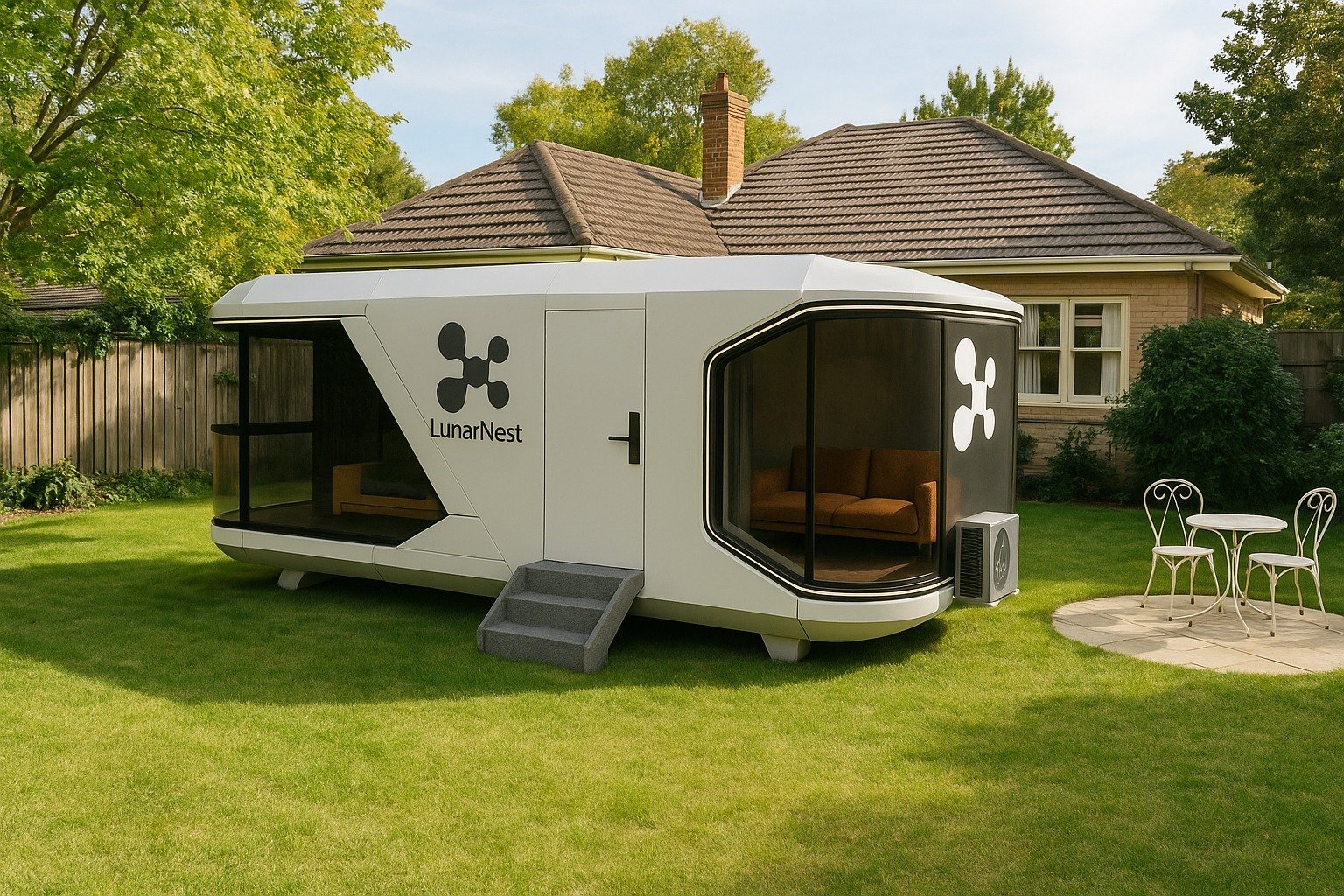
Lunarnest has emerged as a trailblazer in the Australian prefab housing sector. With a commitment to sustainability, affordability, and innovative design, Lunarnest offers a range of modular homes that cater to diverse needs and preferences.
Key Features of Lunarnest Homes:
-
Sustainable Materials: Lunarnest prioritizes the use of eco-friendly materials, ensuring that each home has a minimal environmental footprint.
-
Customizable Designs: Homebuyers can choose from a variety of floor plans and finishes, allowing for personalization to suit individual tastes.
-
Energy Efficiency: Homes are designed with energy-saving features, such as solar panels and high-quality insulation, reducing long-term utility costs.
-
Quick Construction: With streamlined manufacturing processes, Lunarnest homes can be delivered and assembled in a fraction of the time of traditional builds.
Other Notable Prefabricated Home Providers in Australia
While Lunarnest leads the charge, several other companies are contributing to the growth of the prefab housing market in Australia:
1. Modscape
Established over a decade ago, Modscape has shifted its focus from servicing remote and holiday locations to delivering projects in urban areas. The company offers modular homes with steel frames and provides full internal fit-outs, landscaping, and sustainable features like solar systems and wastewater treatment.
2. Ecoliv Buildings
Based in Wonthaggi, Victoria, Ecoliv Buildings specializes in sustainable modular homes. Their designs incorporate passive solar principles, efficient lighting, and rainwater storage systems, aiming to reduce environmental impact.
3. Neo Living Australia
Operating in Queensland and New South Wales, Neo Living offers customizable modular prefab homes. They provide a range of designs, from compact cabins to larger family homes, all built to Australian standards and delivered nationwide.
4. MODE Homes
Known for their innovative designs, MODE Homes offers modular homes tailored to individual lifestyles. Their patented ‘fold pack’ system allows for easy transportation and assembly, making them suitable for challenging sites.
5. Panstellar Homes
Panstellar Homes provides a variety of tiny homes, glamping tents, and modular houses. They focus on affordability and customization, delivering homes across Australia with flexible payment options.
Cost Comparison: Prefabricated vs. Traditional Homes
| Type of Home | Cost per Square Foot | Average Total Cost Range |
|---|---|---|
| Prefabricated Homes | $180 – $220 | $108,000 – $330,000 |
| Traditional Stick-Built Homes | Around $150 for basics | $121,099 – $502,765 |
| Custom Stick-Built Homes | $800 – $1,000 | Varies significantly |
Prefab homes are often more cost-effective due to bulk purchasing and reduced labor requirements. They can be 10 to 25 percent cheaper than traditional homes, making them an attractive option for budget-conscious buyers.

Advantages of Prefabricated Homes
-
Efficiency: Faster construction times mean homeowners can move in sooner.
-
Less Drama with Permits: Prefab homes often face fewer regulatory hurdles, potentially reducing permit fees.
-
Ready to Roll: Many prefab homes come fully equipped with fixtures and fittings, minimizing additional expenses.
Environmental Benefits
Prefab homes are designed with sustainability in mind. Features may include:
-
Thick Insulated Walls: Retain heat during winter and cool air during summer.
-
Solar Panels: Harness renewable energy, reducing reliance on the grid.
-
Smart Windows: Enhance energy efficiency by regulating indoor temperatures.
-
Airtight Construction: Prevents energy loss and improves indoor air quality.
These features contribute to lower energy bills and a reduced carbon footprint.
Types of Prefabricated Homes
-
Manufactured Homes: Built in a factory and transported to the site, these homes are cost-effective and quick to set up.
-
Kit Homes: Pre-cut kits that homeowners can assemble themselves, offering flexibility and savings.
-
Tiny Homes: Compact, mobile homes ideal for minimalists or as secondary dwellings.
-
Container Homes: Repurposed shipping containers transformed into stylish, functional living spaces.
Financing and Council Approvals
Securing financing for prefab homes has become more accessible. In January 2025, the Commonwealth Bank of Australia (CBA) introduced specialized loans for prefab homes, covering up to 80% of the contract value. This move signals growing acceptance of prefabricated housing in the mainstream market.
Regarding council approvals, prefab homes must comply with local regulations. It’s advisable to consult with local councils to ensure all requirements are met before proceeding with construction.
The Future of Prefabricated Housing in Australia
The Australian government is actively supporting the growth of the prefab housing sector. Initiatives include:
-
Voluntary Certification Scheme (2024): Streamlines approvals for prefab homes under the National Construction Code.
-
$10 Million Modular Housing Trial (2024): Invests in prefab social housing projects in New South Wales.
-
Industry Roadmap (2025): Developed by prefabAUS to guide the sector’s growth and integration into the mainstream market.
These efforts aim to increase the adoption of prefabricated homes, addressing housing shortages and affordability issues across the nation.
Conclusion
Prefabricated homes offer a viable solution to Australia’s housing challenges. Companies like Lunarnest are at the forefront, providing innovative, sustainable, and affordable housing options. As the industry continues to evolve, prefab homes are poised to play a significant role in shaping the future of Australian housing.
For more information on Lunarnest and their offerings, visit their official website: Lunarnest.