
If you want a faster build timeline, clearer costs, and a modern, energy-efficient home, a prefab can be a strong option. But like any construction method, there are trade-offs. Understanding the prefab homes pros and cons in Australia helps you decide if it truly fits your budget, land, and long-term plans.
Prefab homes can offer faster construction, predictable pricing, and strong build quality—but they still require land, planning approvals, and thoughtful site preparation.
Quick takeaways:
- Prefab homes are often faster to build than traditional houses.
- Pricing tends to be clearer early in the process.
- Site preparation and permits still require planning.
Why Many Buyers Are Considering Prefab Today
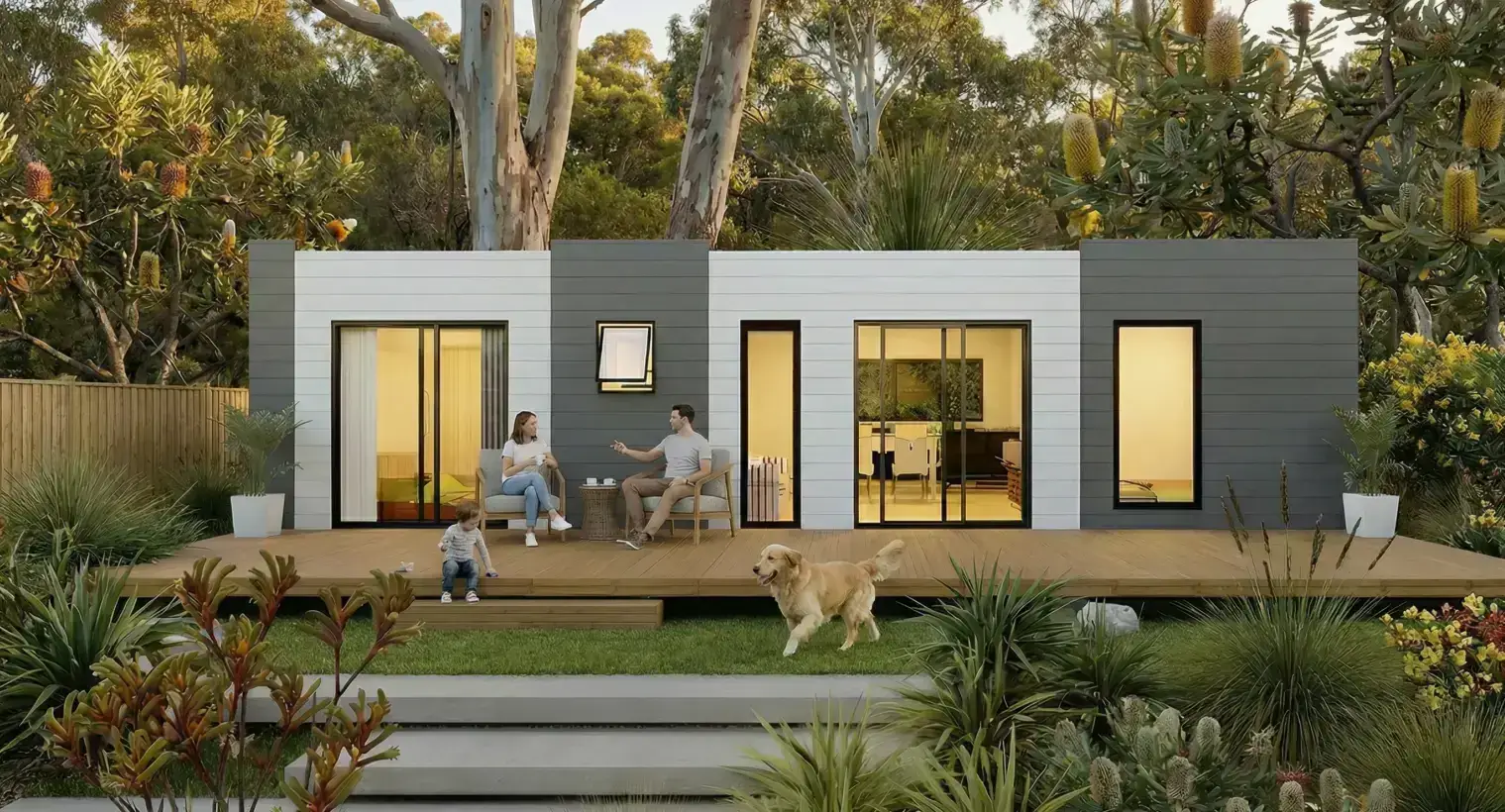
Prefab homes have moved well beyond the “temporary housing” stereotype they once carried. Today’s modular homes are designed for permanent living, built to Australian building codes, and increasingly chosen by families who want efficiency without compromising quality.
Part of the appeal is certainty. With factory construction and defined designs, many buyers find the process more predictable than traditional builds. That’s one reason discussions around prefab homes are becoming more common across the Australian housing market.
Many homeowners exploring modular living first encounter the concept through examples showing how modular homes transform your life, where faster construction and efficient layouts change how people approach building a home.
Understanding The Main Advantages of Modular Homes
Prefab homes appeal to many buyers because they address some of the most frustrating parts of traditional construction.
Faster construction timelines
Prefab homes are manufactured in a factory while site preparation occurs simultaneously. This parallel process often shortens overall build timelines significantly.
For buyers who want to move in sooner—or avoid months of construction delays—this time advantage can be one of the biggest benefits.
Clearer pricing from the start
One of the most frequently cited advantages of modular homes is cost clarity. Because designs and inclusions are defined earlier, there are usually fewer provisional allowances compared with traditional builds.
For example, comparing a 3-bedroom prefab with traditional cost often shows that even when build prices look similar, shorter timelines and fewer delays can reduce overall project expenses.
Consistent build quality
Prefab homes are assembled in controlled factory environments where weather and site conditions have less impact. This controlled process can improve construction consistency and reduce defects.
Potential Drawbacks to Consider
Prefab homes aren’t automatically the best option for every situation. Understanding the potential downsides is just as important as recognising the benefits.
Site preparation still matters
Even though the home itself is manufactured off-site, the land still needs to be prepared properly. This can include earthworks, foundations, and service connections.
Requirements such as permits, engineering reports, and zoning checks are explained in detail in planning and compliance in Australia, which outlines how approvals typically work before a prefab home can be installed.
Designs may be partially predefined
Prefab homes often start from existing layouts rather than fully custom architectural designs. While many features can still be personalised, the structural framework is usually based on a modular system.
For most buyers, this isn’t a disadvantage—it simply means choosing a layout that already works well.
Does a 3-bedroom Layout Suit Your Lifestyle?
Choosing the right size is just as important as choosing the build method.
Why three bedrooms are often the sweet spot
A three-bedroom layout is one of the most flexible configurations available. It typically provides enough space for families while still remaining efficient to build and maintain.
The lifestyle benefits of this layout are explored further in discussions around why a 3-bedroom prefab is perfect for Australian families, where the third room often becomes a study, guest room, or adaptable space as needs change.
When smaller homes might make sense
Some buyers with smaller households compare the trade-offs between a 2-bedroom or 3-bedroom prefab home. Two-bedroom homes can reduce upfront cost, while three-bedroom layouts often provide greater flexibility for remote work, growing families, or future resale.
Land and location considerations
A prefab home still requires suitable land and council approvals before construction begins.
Access and delivery logistics
Because prefab homes are delivered in modules, site access must accommodate trucks and cranes. Narrow access roads, steep slopes, or overhead utilities can sometimes require additional planning.
Local planning requirements
Planning permits and building approvals vary by council and location. Some regions may require additional documentation, particularly where environmental or bushfire overlays apply.
Regional factors can vary widely across Australia, which is why guides discussing prefab homes in Victoria or prefab homes in Queensland often highlight differences in climate, permits, and site requirements between states.
Questions Worth Asking Before You Commit
Choosing a prefab home is easier when you know what to clarify early in the process.
Key questions to ask during early discussions
Knowing the right questions to ask a prefab home builder can prevent confusion later in the project.
These often include:
- What is included in the base price?
- How long will the build and installation take?
- What site preparation is required?
- What upgrades or customisation options are available?
Having these conversations early helps establish realistic expectations around cost, timeline, and scope.
A Practical Example: The Lunar G3
Seeing a real design often makes the decision process clearer.
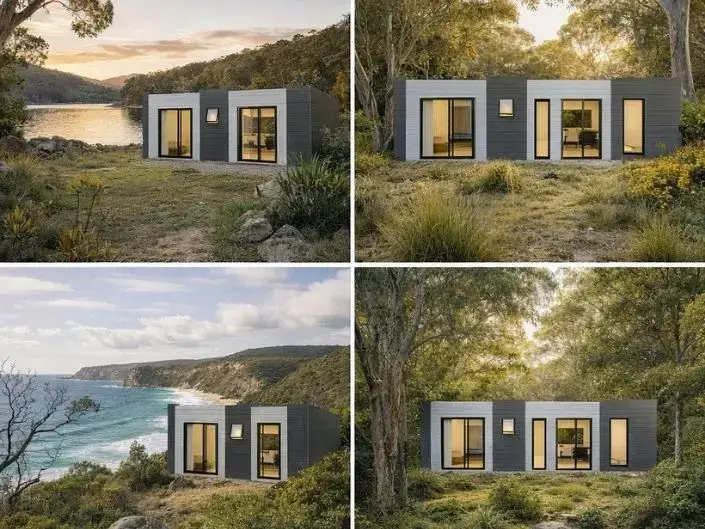
The Lunar G3 3-Bedroom Prefabricated House demonstrates how modern prefab homes combine open living spaces with flexible bedrooms and efficient layouts that suit everyday life. Its configuration makes it a common starting point for buyers evaluating whether a prefab home fits their plans.
So, Are Prefab Homes Worth It?
For many buyers, the answer is yes—especially when speed, cost clarity, and build quality matter.
Prefab homes aren’t necessarily the right choice for every site or design preference. But for households looking for efficient construction, predictable pricing, and practical layouts, they can offer a compelling alternative to traditional builds.
Understanding the prefab homes’ pros and cons in Australia helps ensure that the decision is based on real considerations rather than outdated assumptions.
Ready to Explore Your Options?
If you’re considering a 3-bedroom prefab and want to see how it might work for your land, you can start by exploring available layouts or discussing site considerations. Contact us or download our catalogue page for options. Sometimes the best way to decide whether prefab is right for you is simply seeing what’s possible.
Frequently Asked Questions
Are prefab homes cheaper than traditional homes?
Not always on base price alone, but prefab homes often offer better cost certainty and faster timelines.
Are prefab homes durable?
Yes. Modern prefab homes are built to the same building codes as traditional houses.
Can prefab homes be customised?
Most prefab designs allow some customisation through finishes, layout variations, and upgrades.
Do prefab homes hold their value?
Quality prefab homes in good locations can hold value similarly to conventional homes.