

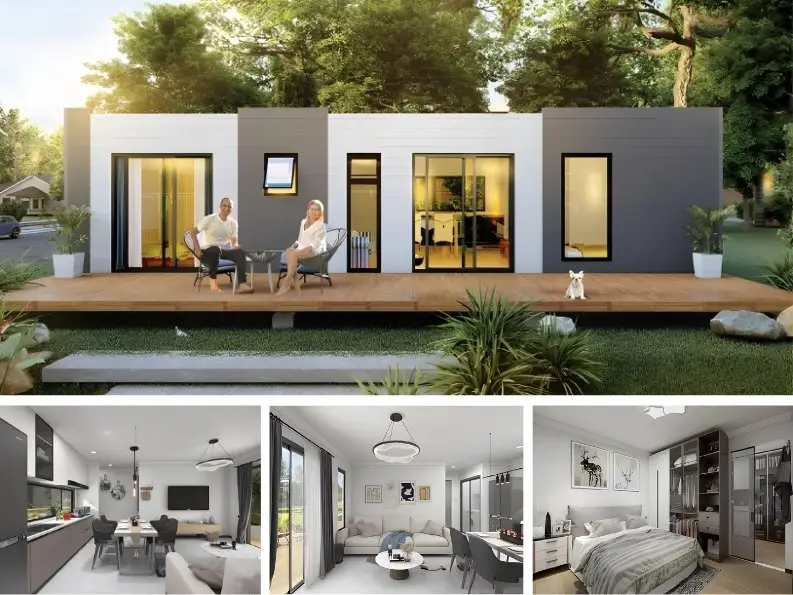
A well-designed 3-bedroom prefab home layout makes the most of space by combining open-plan living, smart bedroom zoning, and flexible design choices that adapt to family life, climate, and future needs.
A smart 3-bedroom prefab layout balances open living with private zones, flexible rooms, and climate-aware design for comfortable Australian living.
Quick takeaways:
- Open-plan living improves flow and everyday usability.
- Bedroom placement matters more than total floor area.
- Prefab layouts are easier to customise than many people expect.
Why Layout Matters More Than Size in a Prefab Home
When people think about home design, they often focus on square metres. In prefab homes, layout matters far more than raw size.
Because prefab construction is planned upfront, every wall, room, and connection point is intentional. A good prefab house floor plan can feel spacious, calm, and practical—even within a modest footprint—while a poorly planned one can feel cramped no matter how large it is.
This is especially true for families, shared households, and anyone planning to stay in their home long term.
The Core of a Great 3-Bedroom Prefab Layout: Open-Plan Living
Open kitchen, dining, and living spaces bring people together
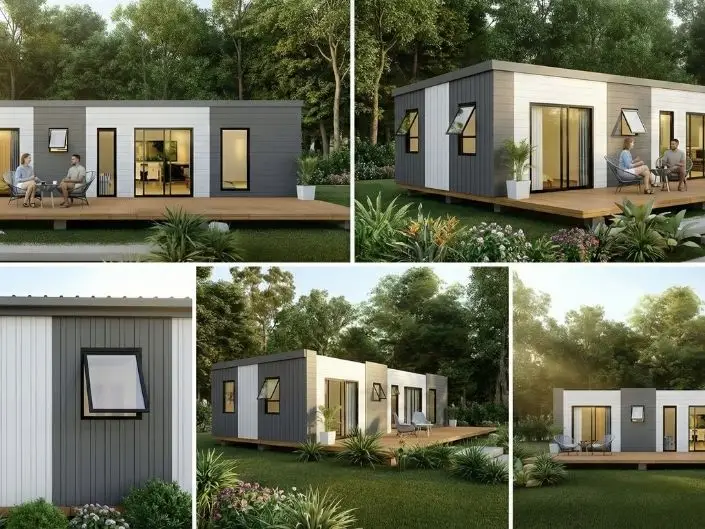
Most successful 3-bedroom house floor plan prefab designs place the kitchen, dining, and living areas together. This creates better flow, more natural light, and spaces that work well for both everyday family life and entertaining.
Open-plan layouts make homes feel larger than they are
By reducing unnecessary walls, open-plan living helps prefab homes feel more spacious and less confined, even within a modest footprint.
Parents can stay connected to daily activity
Open shared spaces make it easier for parents to keep an eye on kids while cooking, working, or relaxing, without feeling cut off from the rest of the home.
Furniture layouts can adapt as life changes
Flexible open areas allow furniture arrangements to change over time, whether that’s accommodating growing children, entertaining guests, or shifting how the space is used.
This open-plan approach is common across modern prefab homes and is a key reason families are drawn to them for long-term living.
Positioning Bedrooms for Privacy (Not Symmetry)
Bedrooms should be zoned, not mirrored
In many traditional homes, bedrooms are laid out symmetrically. In prefab design, separation is usually more important than symmetry.
A good layout places:
- The main bedroom is slightly away from the shared areas
- Secondary bedrooms closer together or further back
- Flexible rooms where noise is easier to control
This zoning supports better sleep, privacy, and long-term comfort—especially in busy households.
The Value of a Flexible Third Bedroom
One room that can serve many purposes. The third bedroom is often the most valuable space in a 3-bedroom prefab because it can adapt as life changes.
It can work as a child’s bedroom
For young families, the third bedroom commonly becomes a child’s room that sits comfortably within the home’s private zones.
It can double as a guest bedroom
As families grow or move into different life stages, the same room can easily function as a guest bedroom without disrupting everyday living.
It can become a study or home office
Many households use the third bedroom as a study or workspace, giving work a dedicated place without taking over shared areas.
This is where thoughtful layout planning really pays off. Homes that allow one room to change purpose over time tend to feel relevant and usable for much longer. If you’re considering using a bedroom as a study, our guide on designing a prefab home office in a 3-bedroom layout explores how to do this without compromising family living.
Bathrooms: Small Changes, Big Impact
A second bathroom or ensuite improves daily flow. Adding a second bathroom—especially an ensuite—can dramatically improve how a home functions, particularly in busy households.
In family homes, it helps in a few key ways:
- It reduces morning congestion, making daily routines smoother when multiple people are getting ready at the same time.
- It improves privacy for parents or guests, giving everyone a little more personal space when needed.
- It makes shared living more comfortable overall, especially during busy periods or when visitors are staying.
Even in compact prefab layouts, careful bathroom placement can make a big difference without adding unnecessary complexity.
Why Prefab Makes Custom Layouts Easier Than You Think
Fewer internal load-bearing walls mean more flexibility. One advantage of prefab construction is that internal walls are often non-load-bearing. This opens the door to prefab home customisation, allowing layouts to be adjusted more easily than in many traditional builds.
This flexibility means:
- Bedroom sizes can be customised, making it easier to prioritise space where it matters most.
- Storage can be reconfigured, so cabinetry and storage solutions suit how the home is actually used.
- Room positioning can be adjusted, helping improve privacy, flow, or functionality without redesigning the entire structure.
Rather than being “one-size-fits-all,” modern prefab layouts are often far more adaptable than people expect.
Designing for Australia’s climate
Australia’s climate varies widely, so a good prefab layout needs to respond to heat, light, and airflow from the very beginning.
Orientation and shading matter
A well-planned 3-bedroom prefab home layout considers how the home sits on the block. North-facing living areas can improve natural light, while thoughtful shading and window placement help manage heat in warmer climates. These choices contribute directly to comfort and energy performance, especially when paired with modern materials and insulation.
Climate-smart design supports long-term comfort
Thoughtful layout design plays a major role in energy-efficient prefab homes in Australia, reducing reliance on heating and cooling while improving year-round livability. For a deeper look at how smart design and construction choices support sustainability, our insights on prefab are the future of sustainable housing, which explores how prefab homes are shaping smarter living in Australian conditions.
Interior Flow and Everyday Living
A well-planned layout doesn’t just affect how a home looks—it shapes how it feels and functions day to day.
Layout influences interior design choices
A good layout supports stronger modular home interior design in Australia, making it easier to furnish spaces without clutter or awkward transitions between rooms.
Furniture placement feels intuitive
When rooms are sized and connected thoughtfully, furniture naturally fits into place without blocking walkways or interrupting flow.
Storage solutions integrate naturally
Well-designed layouts allow storage to be built in where it’s needed, rather than added on as an afterthought.
Homes feel calmer and more functional
Clear circulation and balanced room proportions help create a home that feels organised, practical, and easy to live in.
Interior design works best when it follows the logic of the layout, not the other way around.
The Lunar G3: A Practical Example of Smart Layout Design
Designed for balance, flexibility, and flow
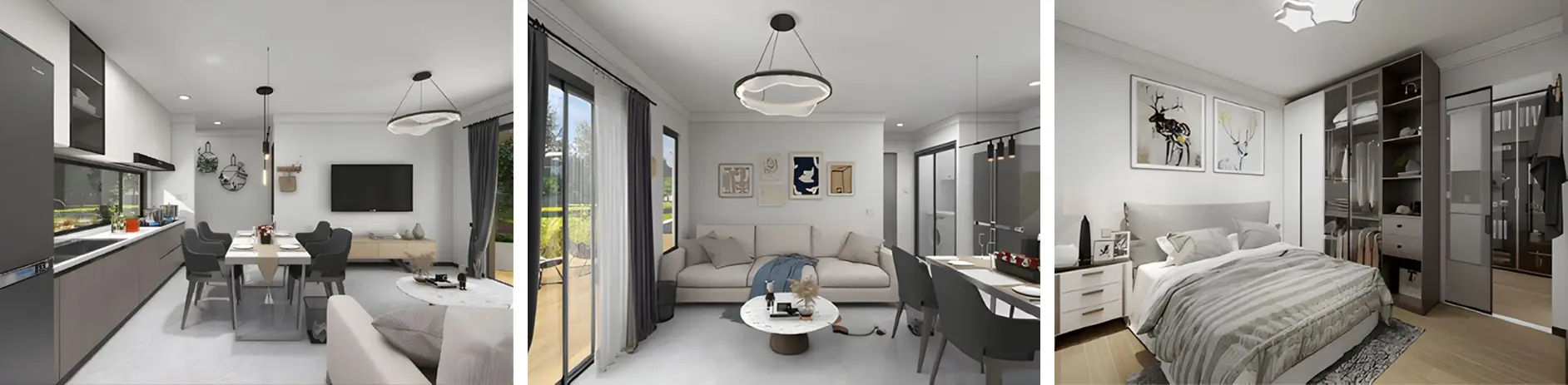
The Lunar G3 3-Bedroom Prefabricated House is a strong example of how thoughtful layout choices shape everyday living. Its design balances open shared areas with private bedrooms and flexible spaces that adapt over time.
It clearly shows how:
- Bedroom zoning improves comfort, giving family members privacy and quieter spaces when they need them.
- Open living areas enhance everyday usability, making the home feel connected, social, and easy to move through.
- One well-planned layout can suit multiple life stages, from young families to shared living and long-term use.
Planning your layout before you lock it in
A good layout isn’t just about how a home looks on a floor plan—it’s about how it works day to day. Thinking through where people naturally spend time, where they need quiet, and how the home flows can make a big difference once you’re actually living in it.
Before you lock anything in, it helps to step back and think about who will use each space most, how noise might travel through the home, and how your needs could change over the years. If you’re still figuring things out, our design and planning insights for prefab homes cover real questions people ask when shaping their layouts and can help you make more confident decisions.
Ready to take the next step?
If you’re planning a 3-bedroom prefab and want to get the layout right from the start, we’re happy to help you think it through. You can reach out via our contact page or explore layouts and finishes by downloading the Lunar Nest catalogue.
A good layout doesn’t just look good—it makes everyday life easier. With the right 3-bedroom prefab home layout, your home can adapt, perform, and stay comfortable for years to come.
Frequently Asked Questions
Can a prefab layout be customised?
Yes. Many prefab homes allow layout adjustments, especially with internal walls, room sizes, and functional zones.
Is open-plan living suitable for families?
For most families, yes. Open-plan layouts support supervision, connection, and flexibility while still allowing private zones elsewhere in the home.
Does layout affect energy efficiency?
Absolutely. Orientation, room placement, and airflow all influence how energy-efficient a home is.
Is a 3-bedroom prefab big enough long term?
For many households, a well-designed 3-bedroom layout provides enough space for long-term living—especially when rooms are flexible.