
In 2025, prefab homes in Australia are evolving through modular flexibility, off-grid systems, AI-assisted design, and eco-smart materials — reshaping how Australians live and build sustainably.
Key Takeaways:
- Modular flexibility and adaptable layouts define 2025’s leading prefab designs.
- Off-grid readiness is becoming standard — solar, battery, and water systems are now built in.
- Sustainable and recycled materials dominate modern prefab construction.
- AI and digital design tools streamline everything from compliance to layout planning.
- Compact luxury and affordability continue to attract first-home buyers and investors.
- Builders like Lunar Nest lead this evolution — blending innovation with environmental responsibility.
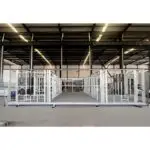
When I walk through our factory these days, I can feel it — the future of housing is already here. Every project we design at Lunar Nest reflects where Australians are heading: greener, smarter, and more flexible ways to live.
Prefab homes are no longer the alternative. In 2025, they’ve become the blueprint for sustainable, modern Australian living. If you’ve been considering prefab, here’s what the latest prefab home trends reveal about the future of housing.
Smarter Modular Design: Custom Homes, Factory Precision
In 2025, prefab home design has evolved far beyond the simple box — it’s now about modular flexibility and future-ready layouts that grow with your lifestyle.
At Lunar Nest, we’re seeing more families start with a core living module and expand over time — adding extra bedrooms, home offices, or studios as their needs change. This adaptability is one of the biggest reasons prefab has become the preferred choice for modern Australian homeowners.
Each home is built with factory precision, ensuring every wall, joinery, and frame meets exact engineering standards. The result is a smarter, faster, and more reliable way to build.
Dive deeper into how modular innovation compares to conventional building in prefab homes and traditional homes.
Sustainability at the Core
Sustainability isn’t a buzzword anymore — it’s the foundation of every new prefab home. Builders across Australia are using cross-laminated timber (CLT), recycled steel frames, and eco-conscious cladding to cut carbon emissions and extend lifespan.
At Lunar Nest, we’ve integrated sustainable insulation, recyclable materials, and low-waste manufacturing techniques to reduce our environmental footprint during fabrication.
If sustainability drives your building goals, see how it’s shaping the next generation of modular living in prefab, the future of sustainable housing.
Off-Grid Living Becomes Mainstream
Australians are embracing energy independence, and in 2025, off-grid-ready prefab homes are no longer a niche choice — they’re the new norm.
Many Lunar Nest models now come pre-integrated with:
- Solar panels and battery storage systems
- Rainwater collection and filtration setups
- Composting or low-water toilets for sustainable waste management
This marks a major shift from just a few years ago, when off-grid was an optional upgrade. Today, it’s an expected feature for homeowners who value self-sufficiency, cost savings, and resilience.
For a closer look at practical off-grid prefab solutions, explore sustainable off-grid living and off-grid container homes in Australia.
AI-Assisted Design and Smart Home Tech
Artificial intelligence isn’t just changing software — it’s transforming how prefab homes are designed and approved.
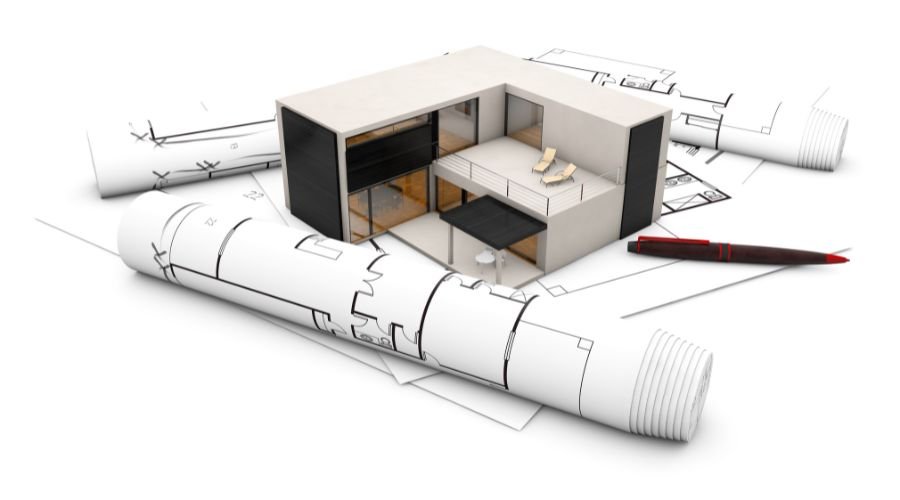
Modern design tools now use AI-assisted modelling to generate and optimise layouts in minutes based on your land, orientation, and energy goals. The result? More efficient floor plans, lower energy use, and faster council approvals.
Inside the home, technology is equally advanced:
- Voice-activated lighting and smart thermostats
- App-controlled heating and cooling
- Smart energy meters that track and optimise power usage
At Lunar Nest, we’re integrating smart systems into more designs each year — combining convenience, sustainability, and precision.
Learn how tech innovation is streamlining prefab compliance in our guide about prefab homes in Australia regulations.
Compact Luxury: Living Big in Smaller Spaces
One of the fastest-growing prefab home trends in 2025 is affordable luxury — proving that smaller doesn’t mean sacrificing comfort.
Across Australia, homeowners are downsizing without downgrading. Compact prefab homes offer lower costs, faster builds, and easier upkeep, all while maintaining a sense of space and style.
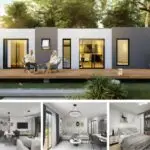
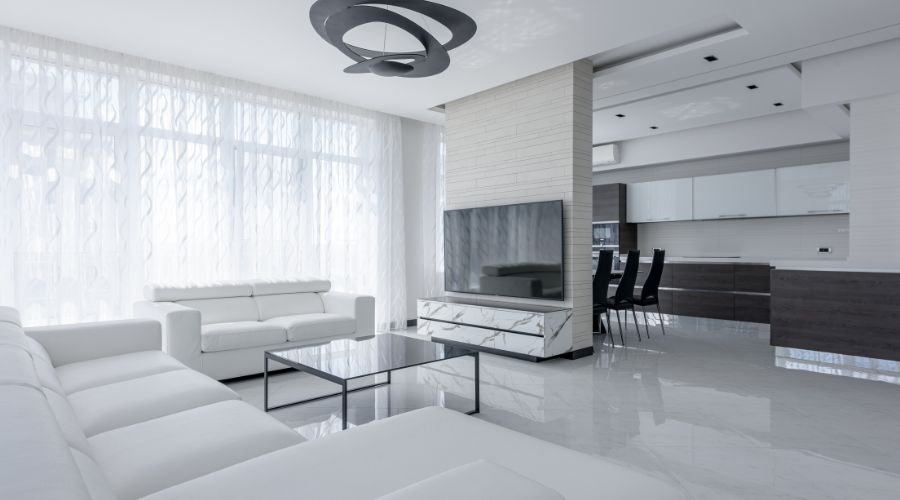
Our small prefab homes range showcases this perfectly — designs that feel expansive through open layouts, large windows, and minimalist interiors.
If you’re exploring compact prefab living, see how affordability and modern design come together in affordable prefab homes.
Fast-Track Approvals and Council-Friendly Designs
Thanks to modular certification and pre-approved engineering, 2025 prefab homes are moving through council approvals faster than ever before.
Councils across Australia now recognise prefab as a legitimate and efficient way to build, and builders like Lunar Nest are leading this shift — designing homes that are compliant from day one.
For homeowners, this means less red tape, faster b uilds, and greater confidence in every stage of the process.
Learn how to choose a compliant, trusted builder in our expert guide to prefab builders.
Natural Aesthetics and Biophilic Design
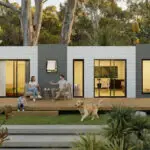
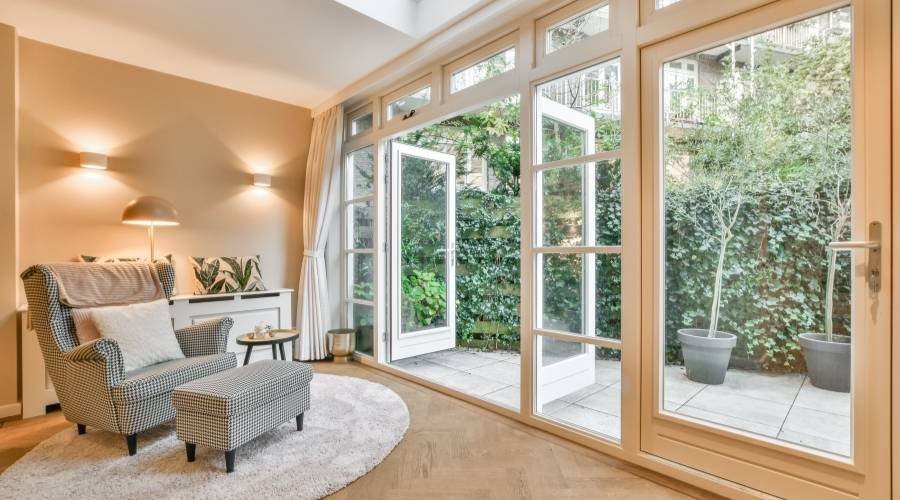
In 2025, prefab homes are blending more harmoniously with the Australian landscape than ever before. Expect to see timber cladding, native landscaping, and generous glass openings that connect indoor and outdoor spaces seamlessly.
This biophilic design approach enhances both well-being and energy efficiency, allowing each home to feel like part of its natural environment.
At Lunar Nest, we design prefab homes that respond to their setting, whether surrounded by coastal breezes or nestled in the bush, proving that sustainability and style can coexist beautifully.
Prefab for Multi-Purpose and Multi-Generational Living
Australians are rethinking home ownership — and prefab homes are leading the way in multi-purpose and multi-generational living.
From dual living setups to Airbnb income spaces or extended family modules, prefab construction makes it easy to adapt as needs evolve. Many Lunar Nest clients begin with a main dwelling and add a secondary studio module later — something traditional builds rarely make possible.
Discover how prefab living supports flexible modern lifestyles in living in prefab homes in Sydney.
Eco-Incentives and Government Support
With sustainability now at the forefront of housing policy, prefab homeowners may soon benefit from renewable energy grants and sustainable housing incentives.
Our team tracks these evolving opportunities and helps clients align their builds for eligibility. See how Australia supports green living in Sustainable Housing Grants Australia.
The Rise of Prefab Communities
In 2025, prefab isn’t just about individual homes — it’s shaping entire communities. Developers and councils are collaborating to create modular eco-villages that promote community living, affordability, and low-impact development.
We’re proud to be part of this movement, helping design prefab clusters that blend sustainability with modern Australian living.
Start Building Your Future Home, Today
Prefab is no longer the future — it’s the now. If you’re dreaming of a sustainable, fast, and beautifully designed home, our team can help you bring that to life in 2025 and beyond.
Contact Lunarnest for a free design consultation or download our catalogue to explore this year’s most innovative prefab models.
Frequently Asked Questions
What are the biggest prefab home trends in 2025?
Smarter modular design, sustainable materials, off-grid systems, and compact luxury are defining 2025’s prefab homes.
Are prefab homes becoming more affordable?
Yes — streamlined production and government incentives are making prefab homes more cost-efficient than traditional builds.
Can I build an off-grid prefab home in NSW?
Absolutely. Lunarnest offers solar-ready, battery-compatible prefab designs for rural or remote locations.
How is AI influencing prefab design?
AI tools optimise design layouts and energy performance, reducing waste and speeding up approvals.
How can I start my prefab project?
Contact Lunarnest today to discuss your ideas and get a free quote for your 2025 prefab home.