
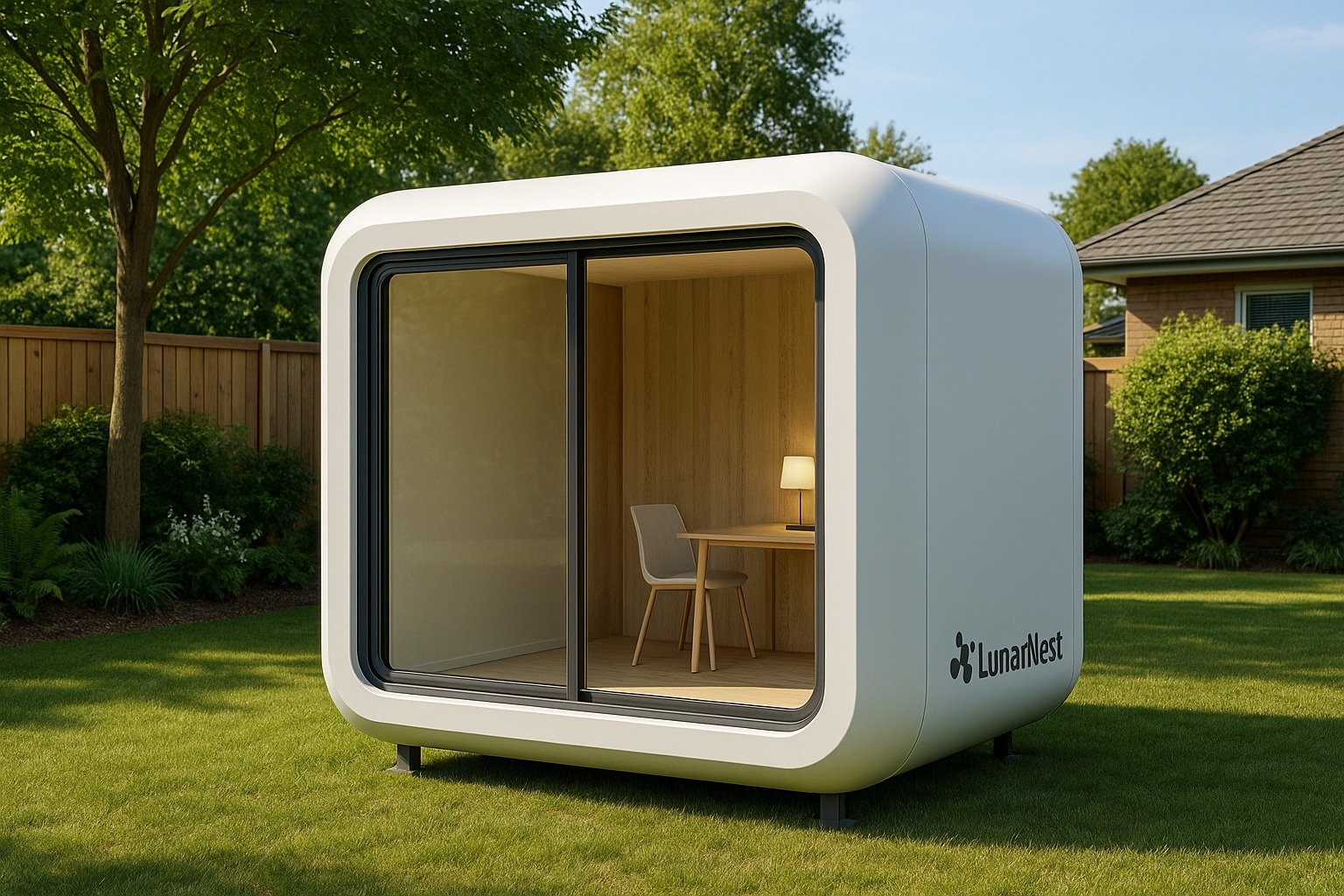
Tiny homes in Australia are gaining momentum as more people choose flexible, affordable and sustainable small-footprint living — often through modern prefab studios, modular pods and compact dwelling solutions like those offered by Lunarnest.
Tiny homes in Australia are rising as more people seek affordable, intentional and sustainable living through compact prefab studios and modular pods.
Quick takeaways:
- Why tiny homes: Lower costs, more flexibility, smaller footprint.
- Who they’re for: Downsizers, rural owners, Airbnb investors, and anyone wanting smart, intentional living.
- What to consider: Regulations, land, servicing, layout design, and long-term costs.
- How we help: At Lunar Nest, we design and supply architecturally led prefab capsule homes ideally suited to tiny living, guest stays and off-grid setups.
Why Tiny Living Is Taking Off Across Australia
If you’ve been researching tiny homes in Australia, you’ve likely noticed how quickly interest is growing. Across rural properties, coastal blocks and suburban backyards, Australians are rethinking what a home should feel like — not just in size, but in cost, efficiency and daily comfort.
For many, tiny living isn’t about “shrinking down” their life. It’s about creating a lifestyle that feels lighter, calmer and easier to maintain. I hear this from people wanting a peaceful guest space, landowners planning short-stay accommodation, and homeowners looking for an affordable, low-impact second dwelling.
And this shift aligns with what Lunarnest specialises in — compact, smartly designed prefab studios and modular pods that support small-scale living without sacrificing comfort or architectural quality.
If this movement resonates with you, you may also enjoy our full guide on tiny home living, where we explore the mindset behind intentional, small-footprint design.
What “Tiny Homes” Means in Australia
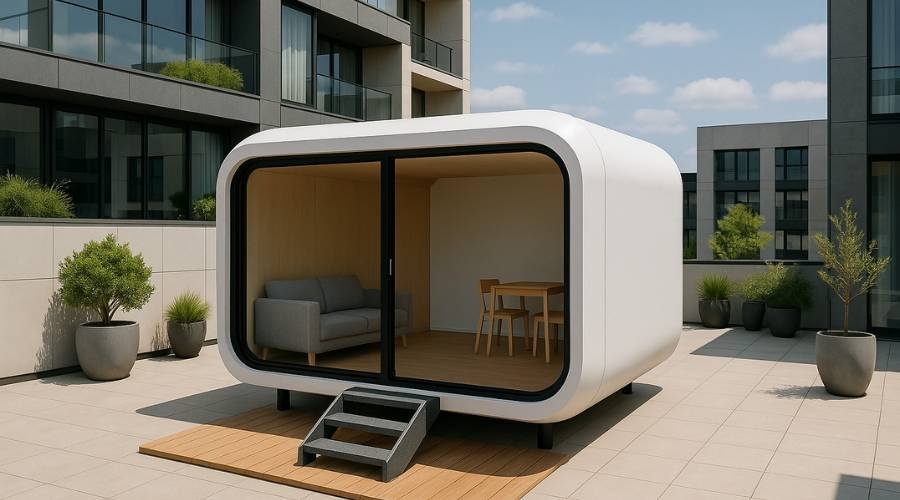
In Australia, tiny homes typically fall under the 50m² mark — but size is only part of the definition. What truly shapes a tiny home is its purpose: a compact, intentionally designed living space that supports affordability, sustainability and a slower, more intentional lifestyle.
Some tiny homes are built on wheels, others are fixed structures, and many modern versions now use prefabricated construction, where the building is manufactured off-site and delivered almost complete.
This is where Lunarnest fits naturally into the tiny-living space: our prefab studios, micro homes and modular pods provide a small-footprint dwelling option that’s architecturally refined, durable and designed for comfortable, long-term use.
While we don’t build traditional “tiny homes on wheels”, our compact prefab dwellings align with the same goals — efficient use of space, lower running costs and layouts that feel calm and well-resolved.
If you’re comparing different small-space solutions, our guides on modular homes and pod homes explain how each category works and who they suit best.
Why Tiny Homes Are Becoming So Popular
A more accessible path to building or owning
Rising construction costs and long build times continue to push Australians to look for smarter alternatives.
Prefab small-footprint homes — including Lunarnest’s compact pods and studios — offer:
- faster manufacturing
- predictable pricing
- fewer onsite delays
If affordability is a factor in your decision-making, our guide to tiny home living costs in Australia breaks down the key expenses.
A lifestyle built around ease
Most people exploring tiny living aren’t chasing extreme minimalism — they’re looking for a home that’s easier to manage.
A space that:
- takes minutes to clean
- costs less to maintain
- feels peaceful and uncluttered
Prefab pods support that lifestyle because they’re designed with functional layouts, generous glazing and a sense of spaciousness despite their compact footprint.
A more sustainable way to live
Tiny homes naturally use fewer materials, produce less waste and consume less energy when designed well. Many owners also pair their compact dwellings with:
- solar power
- rainwater storage
- off-grid systems
- passive design features
If sustainability is a priority, our guide to off-grid and eco-modular living explores the possibilities in detail.
The rise of guest stays and nature escapes
Tiny homes are increasingly used for Airbnb stays, eco retreats and farm accommodation. Prefab capsules are ideal here because they are durable, aesthetically warm and fast to deploy.
You can explore examples in our articles on tiny houses with land and micro houses.
The rise of guest stays and nature escapes
Small dwellings are increasingly used as:
- Airbnb cabins
- farm stays
- eco-retreat pods
- backyard guest suites
Lunarnest’s prefab pods are ideal for these scenarios because they’re:
- fast to deploy
- architecturally warm
- durable in remote conditions
- easy to service and maintain
You can explore more examples in our articles on small houses for landowners, micro homes, and short-stay accommodation solutions.
The Main Types of Tiny Homes in Australia
Tiny houses on wheels
Tiny houses on wheels (THOW) offer mobility and are often treated differently under council regulations. While Lunarnest does not manufacture wheeled tiny homes, we cover the movement in several of our insights, including the pros, cons and regulations around tiny homes on wheels and used tiny homes for sale.
Prefabricated pods and compact dwellings
This is where Lunarnest truly fits into the tiny-living landscape. Our prefabricated pods, micro homes and one-bedroom units offer the same small-footprint lifestyle benefits as tiny homes — with the added advantage of architectural quality, precision manufacturing and fast installation.
These dwellings arrive largely complete, are designed for comfort, and offer clean lines, natural light and a sense of calm that’s essential in compact spaces.
Some of the most popular small-footprint options include:
- N7 One Bedroom Pod
- S5 Studio Pod
- Micro Homes (compact dwellings with slightly more internal space)
All of these serve the same purpose as a tiny home but with higher structural integrity, better insulation, and a more modern interior experience.
Micro homes
Micro homes sit just above traditional tiny homes in size — but they follow the same philosophy of intentional, efficient and sustainable living. They offer a bit more room to stretch, settle and store essentials, making them ideal for long-term living, guest stays or retreat accommodation.
Tiny Homes vs Granny Flats
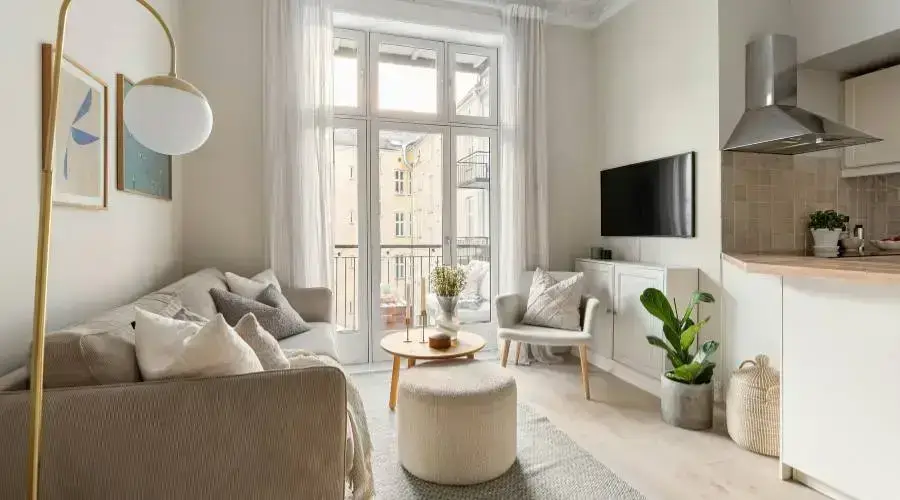
This is one of the most common comparisons, and it’s easy to see why — both are compact, self-contained dwellings that sit on existing land.
Here’s the difference:
- Granny flats
- Fixed secondary dwelling
- Requires approvals
- Tied to an existing primary residence
- Generally larger and more structured
- Fixed secondary dwelling
- Tiny homes
- More flexible
- Often smaller
- May be relocatable (depending on the type)
- Ideal for minimalism, guest use, or temporary living
- More flexible
We cover this in detail here at tiny homes and granny flats guide.
Is Tiny Living Right for You?
Tiny living works best when your goal is to simplify your lifestyle, reduce ongoing costs and create a calm, intentional environment. It’s also a popular choice for landowners wanting guest accommodation, farm stays or retreat-style cabins.
But it’s not the right fit for everyone. If you prefer more storage, additional rooms or future expansion, a larger prefab pod or modular home may suit you better. For broader comparisons, explore our main modular homes guide.
What to Consider Before Choosing a Tiny Home
Budget
Look beyond the initial purchase price. Consider:
- delivery and cranage
- site access
- services (power, water, sewer/septic)
- optional off-grid upgrades
Land
Think about how your dwelling will sit on your land:
- privacy
- orientation
- access to views
- sunlight
- integration with the landscape
These factors strongly influence how a compact space feels day to day.
Regulations
This is one of the most important considerations. Regulations vary widely across Australia — especially in NSW, where approval pathways for small dwellings depend on whether the structure is:
- fixed
- movable
- or a secondary dwelling
If your project is in New South Wales, read our dedicated guide on tiny home regulations in NSW.
Interior layout
Compact living requires thoughtful interior planning. Elements such as:
- open sightlines
- integrated storage
- light colour palettes
- generous windows
…all help a small home feel more spacious. If you’re planning interiors, explore our article on tiny home interior design ideas.
Off-grid considerations
Many tiny home owners explore solar, hybrid energy setups, rainwater storage or greywater systems. If you’re considering sustainable or remote living, our guide to off-grid tiny homes in Australia offers practical examples and options.
How We Support Tiny Living at Lunarnest
At Lunarnest, we focus on architecturally led prefab pods, micro homes and compact modular dwellings that bring clarity, comfort and calm into smaller spaces.
Our pods are:
- manufactured in advanced facilities
- delivered largely complete
- built with warm interior palettes
- designed with proportion, light and usability in mind
These dwellings naturally suit tiny-living goals, guest stays, regional retreats and small-footprint accommodation projects — without compromising comfort or architectural quality.
If you’re exploring options across the small-space spectrum, you may also find value in:
- Prefab Cabin Homes
- Compact Prefab Homes
- Small Prefab Houses
Start Your Tiny Home Journey, Today
Tiny living isn’t a trend — it’s a more intentional way to build your future. If you’re imagining a compact, beautifully designed home that’s fast to install and crafted for Australian conditions, our team can help you bring that vision to life.
Speak with Lunar Nest for a personalised consultation, or download our Capsule Homes Catalogue to explore Australia’s most innovative tiny home and prefab pod designs.
Frequently Asked Questions
Are tiny homes legal in Australia?
Yes, tiny homes are legal in Australia — but rules vary by council, zoning and whether the structure is movable or fixed.
How much does it cost to live in a tiny home in Australia?
Costs depend on site setup, delivery, utilities and whether you plan to incorporate off-grid systems.
What’s the difference between a tiny home and a prefab pod?
A tiny home is usually very small and may be relocatable or built on wheels.
A prefab pod — like Lunarnest’s studio pods and micro homes — is a permanent, architecturally designed module built in an advanced manufacturing facility and transported to site mostly complete.
Can I live in a tiny home full-time?
Yes — many Australians live in compact dwellings full-time, provided the structure meets local council and zoning requirements.
Do tiny homes work for Airbnb or guest stays?
Absolutely. Compact dwellings are increasingly popular for short-stay accommodation, eco stays and rural retreats.
Lunarnest’s prefab pods are ideal because they’re durable, fast to install and designed for long-term comfort.