
Both tiny homes and granny flats add flexible living space and potential income to your property. Granny flats are best for permanent, family-focused or long-term living, while tiny homes offer more flexibility, smaller footprints and, in many cases, lower overall complexity.
Choosing between tiny homes vs granny flats comes down to how permanent the structure needs to be, who will use it, and the rules your local council applies to small dwellings.
Quick takeaways:
- Choose a granny flat if you want a permanent secondary dwelling for family members or long-term tenants.
- Choose a tiny home or prefab pod if you want flexibility, a smaller footprint, or a structure for guest stays, retreats or short-stay accommodation.
- In both cases, always check council requirements and consider how you want to use the space over the next 5–10 years.
Why This Comparison Matters
When people reach out to us about small-footprint living, one of the first questions they ask is:
“Should I choose a tiny home or a granny flat?”
It’s a fair question — on the surface, both options look similar. They’re compact, self-contained and typically built on land you already own. But the way they are approved, sized, serviced and lived in can be very different.
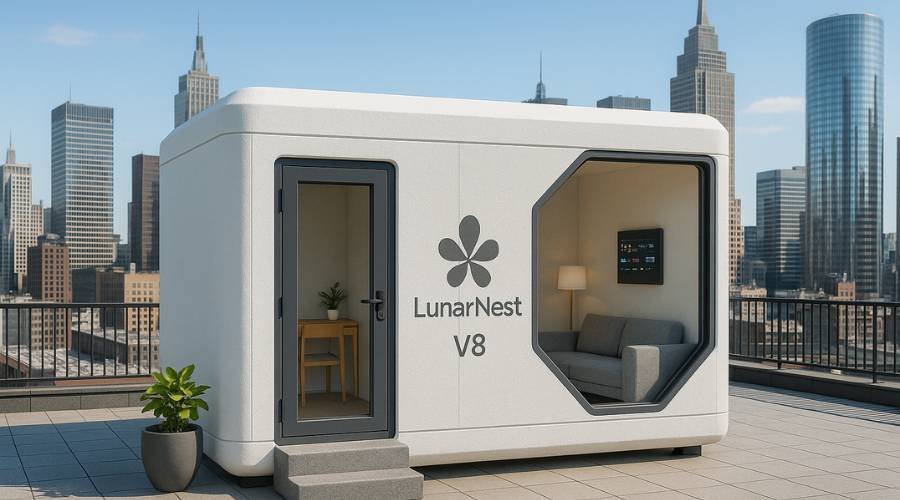
At Lunarnest, we design prefabricated pods, micro homes and compact modular dwellings that can work comfortably in either role — as a modern alternative to a granny flat, or as a beautifully designed tiny-living solution for guest stays, studios or retreat accommodation.
This guide is here to help you understand the differences so you can choose the best option for your land, lifestyle and long-term plans.
If you haven’t explored it yet, our broader guide on tiny homes in Australia offers a deeper look at the tiny-living movement and how it’s transforming housing across Australia.

What is a granny flat?
In most Australian contexts, a granny flat is:
- a self-contained secondary dwelling built on the same lot as an existing main home
- a fixed structure that requires formal approvals and must comply with local planning rules
- designed for long-term living, usually by a family member or a long-term tenant
Granny flats work well when you:
- want parents, adult children or relatives to live close by
- want a more permanent, regulated rental space
- see the additional dwelling as a long-term investment in your property
While Lunarnest does not build traditional “granny flats,” many of our prefab pods and compact modular dwellings are used in the same way — as high-quality, permanent secondary homes with warm interiors, proper bathrooms and functional kitchens. These offer a modern architectural alternative to standard granny flat designs.
What is a tiny home?
“Tiny home” is a broad term in Australia. It can refer to:
- tiny houses on wheels, which are movable and often treated differently under council rules
- small fixed dwellings with very compact footprints
- prefabricated pods and small modular dwellings that follow tiny-living principles but offer a more permanent, architectural feel
At Lunarnest, when we talk about tiny homes, we’re referring to our compact prefab pods, studio pods, micro homes and retreat-style dwellings that suit:
- studios
- guest stays
- Airbnb cabins
- farm-stay retreats
- small permanent homes
These designs keep a small footprint but still feel warm, generous and practical — making them ideal for modern tiny living without the compromises of DIY tiny builds.
This category also extends naturally into off-grid living, particularly for people seeking sustainability and independence. If you’re exploring that path, our guide on off-grid tiny homes in Australia offers practical insight into powering compact dwellings sustainably.
Tiny homes vs granny flats: how they’re typically used
Both tiny homes and granny flats can add space and value to a property — but they often serve slightly different purposes.
A granny flat is generally focused on long-term living and family connection. It’s ideal for parents ageing close by, adult children seeking more affordable living, or tenants who need a stable, fully self-contained home. It typically feels like a smaller version of a traditional house.
A tiny home, on the other hand, is usually chosen for its flexibility. It may be:
- a personal retreat or creative studio
- a guest space for family and friends
- a cabin for short-stay accommodation or Airbnb, especially in regional or scenic locations
Lunarnest’s prefab pods, micro homes and compact dwellings move comfortably between these roles. The same pod can function as a permanent small home, a private studio retreat, or a high-comfort accommodation cabin.
If your goal leans more toward income or short-stay hosting, explore our dedicated page on small prefab homes for Airbnb and tiny-stay accommodation.
Approvals and regulations: where the paths diverge
This is often where the tiny homes and granny flats question becomes most important.
Granny flats
Granny flats are usually classified as secondary dwellings.
They have clearer approval pathways, but also stricter rules around:
- size
- setbacks
- zoning
- services (power, water, sewer/septic)
Tiny homes on wheels
These may fall under caravan or movable-dwelling rules in some councils, which can affect:
- how long they can remain on a property
- whether they can be occupied full-time
- which types of land they are permitted on
Prefab pods and small modular dwellings
Lunarnest’s pods and micro homes are fixed structures, designed as long-term, high-quality dwellings, which places them closer to the granny flat/small home category rather than caravan rules.
If you’re in New South Wales, the next step is to check our detailed guide on local requirements here for tiny home regulations in NSW.
Regardless of which option you choose, your local council has the final say, so it’s crucial to align your choice with what’s approved on your land.
Space, comfort and day-to-day living
Granny flats tend to be slightly larger and follow a more traditional layout: a separate bedroom, full bathroom, kitchen and living area. This suits people who need long-term privacy and a conventional home feel.
Tiny homes focus on clever spatial planning. Every centimetre works harder. Large windows, natural light and multi-purpose areas play a bigger role in making the footprint feel comfortable.
If interior flow and spaciousness matter to you, our design guide may help. Check the tiny home interior design in Australia.
Lunarnest’s N7 One Bedroom Pod and S5 Studio Pod are created with this philosophy in mind — warm materials, minimal architectural lines and well-proportioned rooms that feel open, airy and grounded despite the small size.
Cost, value and your time horizon
Both tiny homes and granny flats can be more affordable than building a full-sized new home — but they behave differently over time.
A granny flat is typically viewed as a permanent addition to your property. When designed well and positioned correctly, it can increase long-term property appeal and contribute to resale value.
A tiny home, especially one on wheels, is often more lifestyle-driven. It may hold value differently because it’s seen as a more flexible or movable asset rather than a fixed part of the property.
Lunarnest’s prefab pods and micro homes sit somewhere in between. They’re not temporary in quality, but they are faster, more predictable and more cost-controlled than traditional extensions. If you’re comparing options purely on budget, our detailed guide on tiny home living costs in Australia offers a clear breakdown.
Flexibility vs permanence
When you strip away the labels, the choice often comes down to how permanent you want the space to be.
Choose something granny-flat-like if you want:
- a long-term home for family
- a clearly defined rental unit
- a structure that feels firmly part of your property for decades
This outcome can absolutely be delivered using a prefab pod or compact modular dwelling.
Choose a tiny-home-style solution if you prefer:
- more flexibility in how the space is used
- a smaller footprint
- freedom to adapt it for guests, Airbnb or personal use over time
This is where compact prefab pods, studios and micro homes excel.
How Lunar Nest fits into both
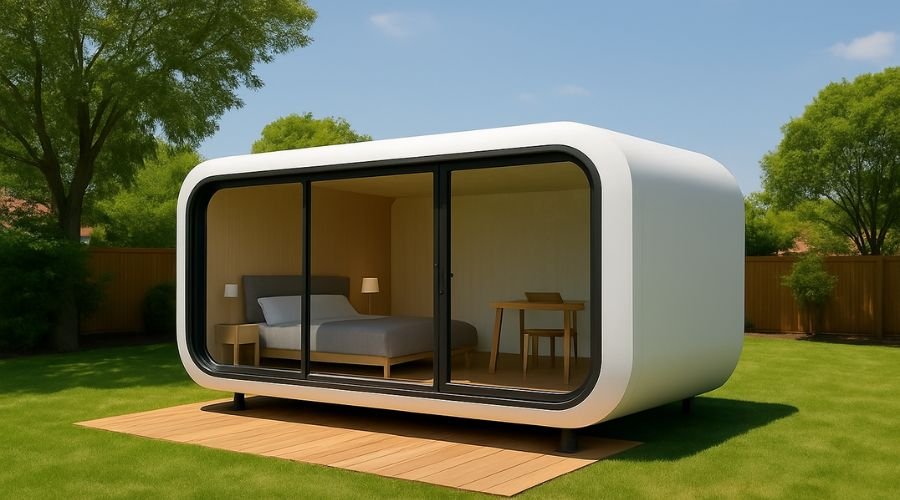
Lunarnest’s prefabricated pods don’t sit neatly in only one category. They have the comfort and structural integrity expected of a modern granny flat, combined with the calm, compact design principles that make tiny living feel intentional — not cramped.
This means:
- On a suburban block, a pod can function as a sophisticated, self-contained secondary dwelling.
- On a rural block, that same pod can become a tiny home, retreat cabin or Airbnb accommodation.
- In holiday parks or resorts, multiple pods can form a village of compact, private stays.
Whichever path you’re considering — tiny home, granny flat or a hybrid of both — our goal is to help you choose an option that feels practical, grounded and aligned with the way you want to live.
If you’d like to see where these trends are heading, our prefab home trends article explores the broader future of small-footprint housing.
How to decide what’s right for you
When comparing tiny homes vs granny flats, it may help to ask yourself:
- Who will use this space over the next 5–10 years?
- Do I want the structure to feel flexible or clearly permanent?
- How does my council treat secondary dwellings versus tiny homes?
- Am I focused on family living, rental income or a private retreat?
If you’re still unsure, that’s normal — most people gain clarity once they begin matching real designs, such as our N7 One Bedroom Pod and S5 Studio Pod, to the realities of their land, budget and lifestyle.
Start Your Small-Space Journey, Today
Whether you’re leaning toward a modern granny flat or a compact tiny home, the most important step is choosing a space that feels calm, intentional and genuinely liveable. Our prefab capsule homes are designed to bring that feeling to life — with thoughtful layouts, warm interiors and a streamlined path from idea to installation.
Speak with Lunar Nest for a personalised consultation, or download our catalogue to explore capsule designs that can work as tiny homes, granny flats or guest pods on your land.
Frequently Asked Questions
Is a tiny home or a granny flat better for rental income?
Both can work, but granny flats often suit long-term tenants, while tiny homes and pods are popular for short-stay and Airbnb-style accommodation.
Which is easier to approve: a tiny home or a granny flat?
Granny flats usually follow clearer secondary dwelling pathways, while tiny homes on wheels can sit under different rules. Always check your local council’s requirements.
Can a prefab pod be used as a granny flat?
Yes. Many of our clients use Lunar Nest pods as modern granny flats with full bathrooms, compact kitchens and comfortable year-round living.
Can I start with a tiny home and treat it like a granny flat later?
In some cases, yes — especially if you choose a high-quality prefab pod that meets local standards. The key is to plan with your council’s rules and your long-term goals in mind.