
Living in a tiny home in Australia is generally more affordable than living in a traditional house, but your actual costs depend on land preparation, utilities, servicing, and whether your dwelling is on-grid, hybrid or off-grid.
Tiny home living costs in Australia vary by land setup, utilities and design choices — but compact prefab pods often offer predictable, long-term, low-maintenance expenses.
Quick Takeaways
- Why tiny homes: Smaller spaces cost less to run, need fewer utilities, and reduce long-term maintenance.
- Who they suit: Downsizers, rural landowners, guest-stay hosts and anyone seeking an intentional, simplified lifestyle.
- What to consider: Council rules, land prep, utilities, interior layout, off-grid potential and long-term comfort.
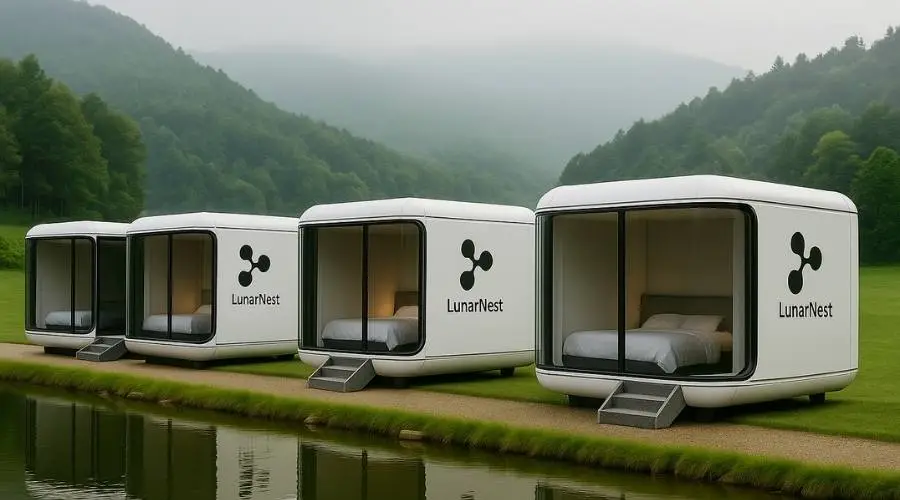
- How we help: At Lunarnest, we create architecturally led prefab pods and micro homes designed for compact living, guest accommodation and sustainable off-grid setups.
Why understanding tiny home living costs matters
Most people who reach out to us aren’t just curious about the idea of tiny homes — they want to understand the actual cost of living in one. Not just the price of the structure, but the day-to-day expenses that determine whether the lifestyle is affordable in reality, not just in theory.
Tiny living has become a symbol of financial breathing room, but that affordability depends on real-world variables:
- the land you place it on
- how you service the dwelling
- whether you plan to live on-grid or off-grid
- how remote or regional your location is
- how much infrastructure already exists on the property
This guide breaks down all the major cost considerations — from utilities and energy use to long-term upkeep — drawing on both the broader tiny home movement and our experience designing compact prefab pods and micro homes that support tiny-living principles without compromising comfort.
If you’re still deciding whether tiny living suits your long-term goals, our broader guide tiny homes in Australia offers helpful context before you dive into the numbers.
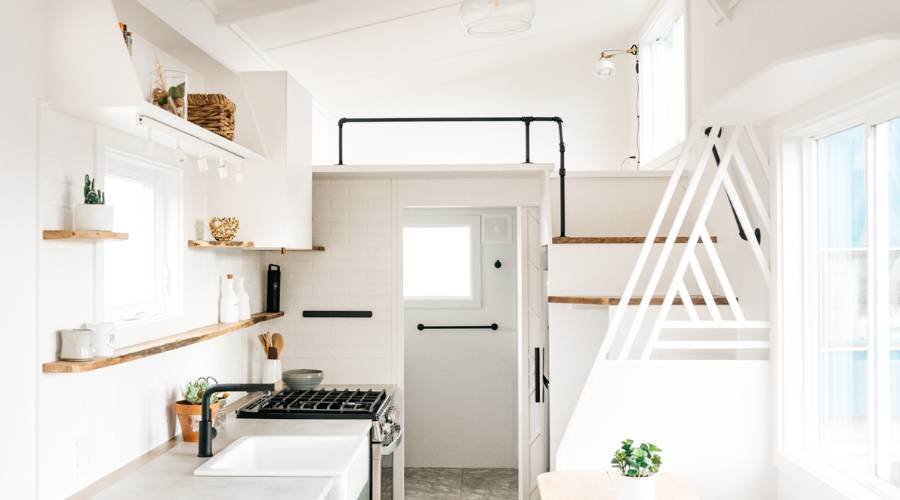
Tiny home living: a hybrid of lifestyle and cost
Tiny home living differs from traditional homeownership because the cost structure shifts dramatically. Instead of spreading your resources across unused rooms, high-volume utilities, large lawns and ongoing maintenance, your spending becomes focused on the essentials:
- a well-designed, compact space
- efficient appliances
- a smaller energy footprint
- lower maintenance
- thoughtful site setup and services
For many people, tiny living doesn’t just reduce expenses — it reshapes how they experience time, space and day-to-day life.
This is part of the appeal behind prefabricated pods and micro homes, which offer the beauty and functionality of a modern dwelling while intentionally reducing ongoing costs.
The true cost of living in a tiny home in Australia
There is no single cost that applies to every tiny home. Your living expenses depend on several factors:
- how the structure is built
- where it’s placed
- how it’s powered
- the quality and insulation of the building
- whether it’s designed for permanent, year-round living
A tiny house on wheels may have a lower upfront cost but higher long-term maintenance, especially if insulation or materials degrade over time.
A prefab pod, built in a controlled manufacturing environment, behaves more like a small, modern home. Heating, cooling and general upkeep are more predictable, which leads to clearer living costs year after year.
Let’s break down each cost category.
1. Utilities: power, water and heating
Utilities are one of the biggest areas where tiny homes differ from traditional houses. Consumption is naturally lower — but your setup determines your ongoing costs.
Electricity
You can choose between:
- On-grid: mains power connection
- Hybrid: solar + grid backup
- Off-grid: solar, battery storage and efficient appliances
On-grid setups are usually the cheapest to establish, but hybrid or off-grid systems often reduce long-term expenses and offer more independence.
If you’re exploring sustainable, low-impact living, see our guide to off-grid tiny homes in Australia.
Water
Tiny homes typically use less water due to efficient fixtures and smaller appliances. Costs depend on whether you use:
- town water
- tanks and pumps
- rainwater collection systems
Most people use both town water when available, supplemented with rainwater for gardens or greywater use.
Heating & Cooling
Insulation, construction quality and airtightness heavily influence energy costs. This is where prefab pods often outperform DIY tiny builds: good insulation reduces temperature fluctuations and lowers heating and cooling bills over time.
2. Wastewater and sewer systems
Costs vary widely based on location.
Connected locations
In suburban environments, a tiny home used as a secondary dwelling can often connect to the existing sewer system. This typically results in only a minor increase in household billing.
Rural or off-grid locations
You’ll need one of the following:
- a septic system
- a composting or waterless toilet
- a greywater diversion or treatment system
These require upfront investment but usually reduce ongoing costs.
3. Internet and connectivity
A small but essential ongoing cost. Options include:
- NBN (fibre or fixed wireless)
- mobile broadband
- satellite internet in remote areas
Most tiny home owners choose NBN wireless or mobile broadband depending on local coverage.
4. Insurance
Insurance differs depending on the type of tiny home.
- Fixed prefab pods are generally covered like small residential dwellings.
- Tiny houses on wheels may fall under mobile or caravan insurance categories.
High-quality prefab pods often attract simpler, more standard insurance pathways because they are permanent, code-compliant structures built to residential standards.
5. Maintenance costs
Maintenance is where many tiny home owners feel the strongest difference from a traditional home.
Because the footprint is smaller:
- Cleaning is quicker
- Fewer materials age over time
- Painting and resurfacing costs are reduced
Prefab pods also reduce long-term upkeep because the structure is engineered for stability, durability and consistent use — unlike some DIY or lightweight builds that may wear down more quickly in the Australian climate.
6. Landscaping, decking and privacy
For many tiny home owners, the surrounding environment becomes part of the living space. A deck, outdoor seating, native plants or screens may add modest initial costs but often significantly enhance comfort.
On some properties, these spaces help the tiny home feel like a retreat — especially if it’s being used as an Airbnb cabin or guest pod.
If you are leaning toward a design-first approach, our guide on tiny home interior design explores how interior choices connect with the outdoor environment around compact homes.
7. Comparing long-term cost: tiny home vs prefab pod
While traditional tiny homes (especially those on wheels) can be cheaper upfront, many owners eventually discover:
- Higher utility usage due to limited insulation
- Increased maintenance
- Shorter material lifespan
- Limited comfort in extreme weather
Prefab capsule homes behave differently. They’re intentionally built for:
- Long-term living
- Strong insulation
- Temperature stability
- Low-maintenance materials
- Consistent energy performance
This means the living costs remain stable over time, making them similar to small modular homes or granny-flat-style secondary dwellings.
If you’re still exploring which direction fits your household, you might find clarity in our comparison of tiny Homes and granny Flats.
8. Income potential and offsetting costs
For many landowners, a tiny home or prefab pod becomes a way to generate secondary income. Short-stay accommodation has become one of the strongest use cases for compact dwellings.
When placed in desirable locations, a well-designed pod can offset its costs through Airbnb bookings or retreat-style stays — a reason many people choose prefab pods over wheeled tiny homes, as they provide a more refined guest experience.
Approvals and Regulations
This is one of the most important considerations, because regulations directly affect both upfront costs and long-term viability.
Different councils categorise small dwellings differently — some treat them as secondary dwellings, while others distinguish based on whether the structure is fixed, semi-permanent or mobile.
In New South Wales, the rules can feel especially layered. Councils often separate:
- tiny homes on wheels
- small fixed dwellings
- prefabricated pods or compact modular units
To help simplify this, we’ve created a dedicated guide on tiny home regulations in NSW, outlining zoning rules and approval pathways for small dwellings across the state.
Understanding your regulatory pathway early can prevent unexpected costs and make installation significantly smoother.
How tiny home living costs compare to traditional housing
While exact numbers vary, tiny home living almost always results in:
- Lower utility bills
- Lower ongoing upkeep
- Lower insurance
- Lower heating/cooling costs
- Lower water usage
The biggest factor is intentional design — making sure the structure is built to last and performs well in different climates.
This is why many people who start by exploring traditional tiny homes eventually choose a prefab capsule home. They want the emotional simplicity of tiny living, but with the long-term comfort of a permanent dwelling.
Start Your Tiny Home Journey, Today
Tiny living isn’t only about cost — it’s about designing a home that supports the way you want to live. If you’re imagining a compact, beautifully designed pod that’s fast to install and crafted for Australian conditions, our team can help you shape the next step.
Speak with Lunar Nest for a personalised consultation, or download our catalogue to explore Australia’s most innovative tiny home-inspired prefab designs.
Frequently Asked Questions
Is it cheaper to live in a tiny home in Australia?
Generally yes — smaller spaces use less power, water and maintenance, reducing ongoing costs.
Do prefab pods cost less to run than tiny houses on wheels?
Often they do, thanks to better insulation and long-term durability.
What utilities do tiny homes need?
Electricity, water and wastewater services — either via grid connection or off-grid systems.
Can tiny homes be off-grid?
Yes. Solar, batteries and rainwater systems are commonly used.
What affects tiny home living costs the most?
Land setup, power systems, insulation quality and whether the structure is built for long-term living.