
Prefab homes in Australia are built off-site and assembled on-site, offering faster build times, better cost control, and sustainability — while traditional homes are built entirely on-site, often taking longer and costing more.
Key Takeaways
- Prefab homes are faster to build — typically completed in 8–16 weeks versus 6–12 months for traditional homes.
- They’re more cost-efficient, thanks to fixed pricing and reduced on-site labour.
- Quality control is higher because construction happens in a controlled environment.
- Prefab homes are eco-friendly, producing less waste and using sustainable materials.
- Modern designs are flexible — perfect for families, downsizers, or Airbnb investors.
- Traditional builds still offer complete design freedom but come with longer timelines and higher costs.
When I first discovered prefab homes, I realised just how much Australia’s homebuilding landscape had changed. For decades, building a house meant a year-long process filled with delays, unpredictable budgets, and a whole lot of stress. But prefab homes are rewriting that story — giving Australians faster, greener, and more affordable homes without compromising on design or comfort.
In this guide, I’ll unpack the real differences between prefab and traditional homes, how each one stacks up in cost, speed, and sustainability, and why prefab is becoming the new standard for modern living.
What Exactly Are Prefab Homes?
Prefab homes — short for prefabricated homes — are built in precision-engineered sections within a controlled factory environment before being delivered and assembled on-site. Because most of the work happens indoors, this process avoids weather delays and ensures consistent, high-quality results.
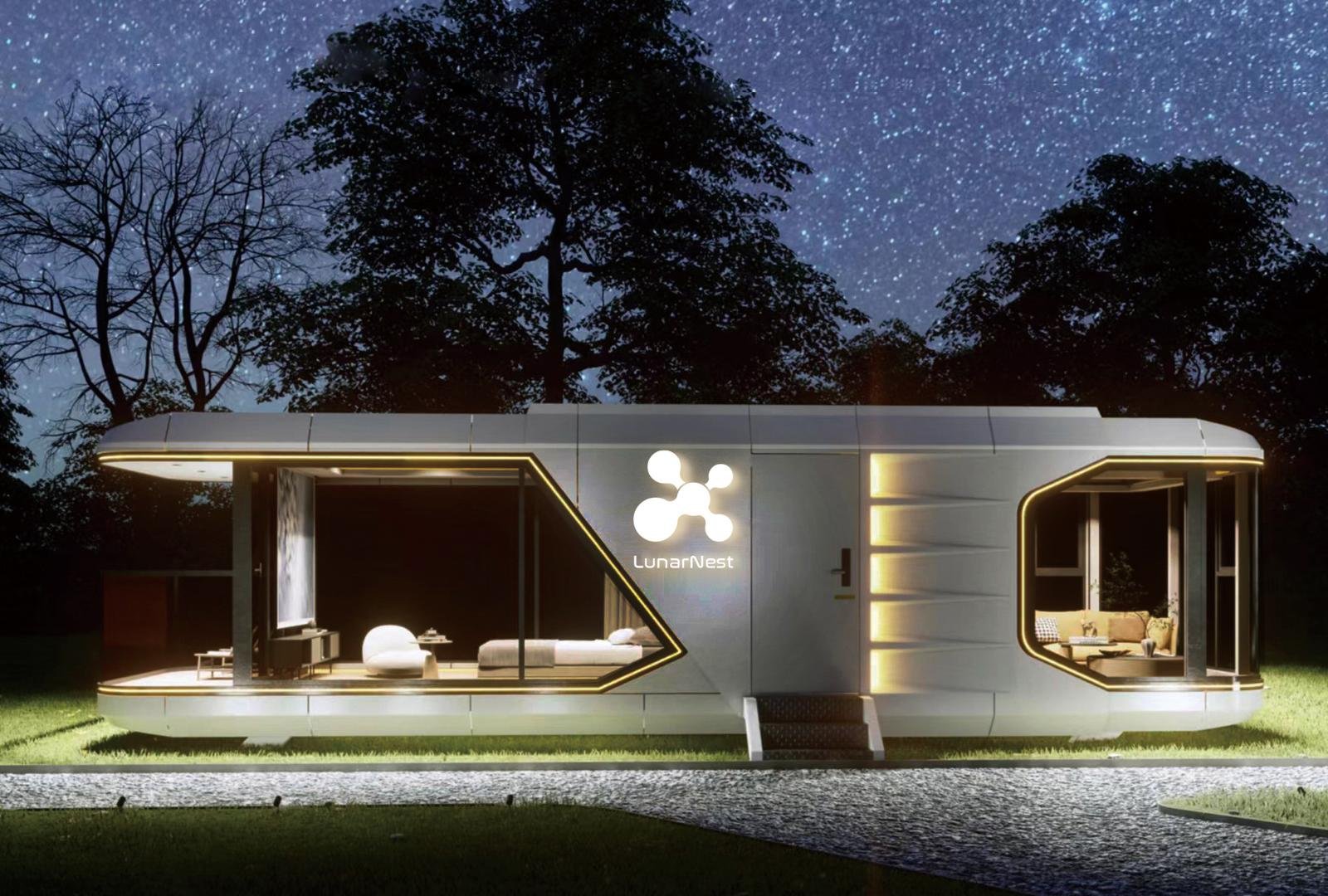
At Lunar Nest, we craft each prefab home with architectural precision — from every wall and window to the smallest joinery detail. The result is a home that’s sustainable, energy-efficient, and built to last.
Traditional Homes: The Familiar, but Slower Route
Traditional homes follow the classic on-site construction method — built from the ground up, piece by piece. While this approach allows for full customisation, it also brings challenges. Weather delays, material shortages, and rising labour costs can cause major setbacks and unpredictable expenses.
Many Australians still love the hands-on process of a traditional build. But in today’s climate of rising costs and stretched timelines, prefab homes deliver the same architectural quality with far more predictability and peace of mind.
Prefab Homes vs Traditional Homes: The Key Differences
Here’s how prefab homes stack up against traditional builds in Australia — from cost and quality to sustainability and build speed.
| Category | Prefab Homes | Traditional Homes |
| Construction Method | Built off-site in a controlled factory, then assembled on-site | Fully built on-site from the ground up |
| Build Time | 8–16 weeks | 6–12 months (often longer) |
| Quality Control | Consistent factory precision and inspections | Varies depending on builder and conditions |
| Environmental Impact | Low waste, sustainable materials, and energy-efficient design | Higher waste and carbon emissions |
| Design Flexibility | Modular layouts with customisable finishes | Fully bespoke but slower to complete |
| Cost Predictability | Fixed pricing and efficient production | Costs can vary with labour and materials |
| Weather Delays | None — factory-built indoors | Common — affected by rain and site access |
| Energy Performance | Designed for superior insulation and efficiency | Depends on materials and builder expertise |
Speed and Predictability
When I speak with clients about prefab homes, the first question is always, “How much faster is it?” The truth is — a lot faster.
Most prefab homes can be ready in as little as 10 to 16 weeks, compared to the 6–12 months often required for traditional builds. Because 90% of the work happens in a controlled factory, there are no weather delays, no waiting on subcontractors, and no unexpected downtime.
Once the modules arrive on-site, installation and fit-out are usually completed within a few days — meaning you can move in sooner and plan with confidence. This makes prefab homes an ideal choice for homeowners on tight deadlines or those managing temporary living arrangements. Learn more about timeframes and planning in Planning Compliance in Australia.
Cost and Budget Control
One of the biggest frustrations with traditional builds is cost uncertainty. Even with the most detailed planning, weather delays, site complications, or last-minute design changes can cause expenses to spiral.
Prefab homes, by contrast, provide transparent and fixed pricing from the start. Because the majority of construction is completed off-site in a controlled factory, there are fewer surprises once your home reaches its location.
Materials are purchased in bulk, processes are streamlined, and fewer trades are required on-site — resulting in savings of up to 30% compared to traditional homebuilding. The result? More value for your budget, without compromising on quality or design.
If you’re currently comparing prices or looking for trusted prefab builders in NSW, Lunarnest can help you find the right fit for your budget and timeline.
Explore detailed pricing insights in our guides to prefab homes cost and affordable prefab homes in Australia.
Sustainability and Energy Efficiency
Australia’s lifestyle and climate are inspiring more homeowners to embrace sustainable building solutions — and prefab homes are leading that change.
At Lunar Nest, every prefab home is crafted to minimise waste, maximise energy efficiency, and reduce your environmental footprint. We use eco-friendly insulation, energy-efficient windows, and recyclable materials throughout the build process, ensuring your home performs beautifully for years to come.
Many of our modular designs are also off-grid compatible, making them perfect for those seeking energy independence and lower long-term utility costs. Discover more about sustainable home options in our guide to sustainable off-grid living.

Design Flexibility and Modern Appeal
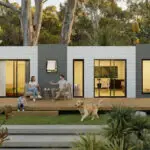
Gone are the days when prefab homes looked generic or “cookie-cutter.” Today’s prefab architecture is sleek, sustainable, and customisable — combining style with practicality.
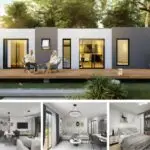
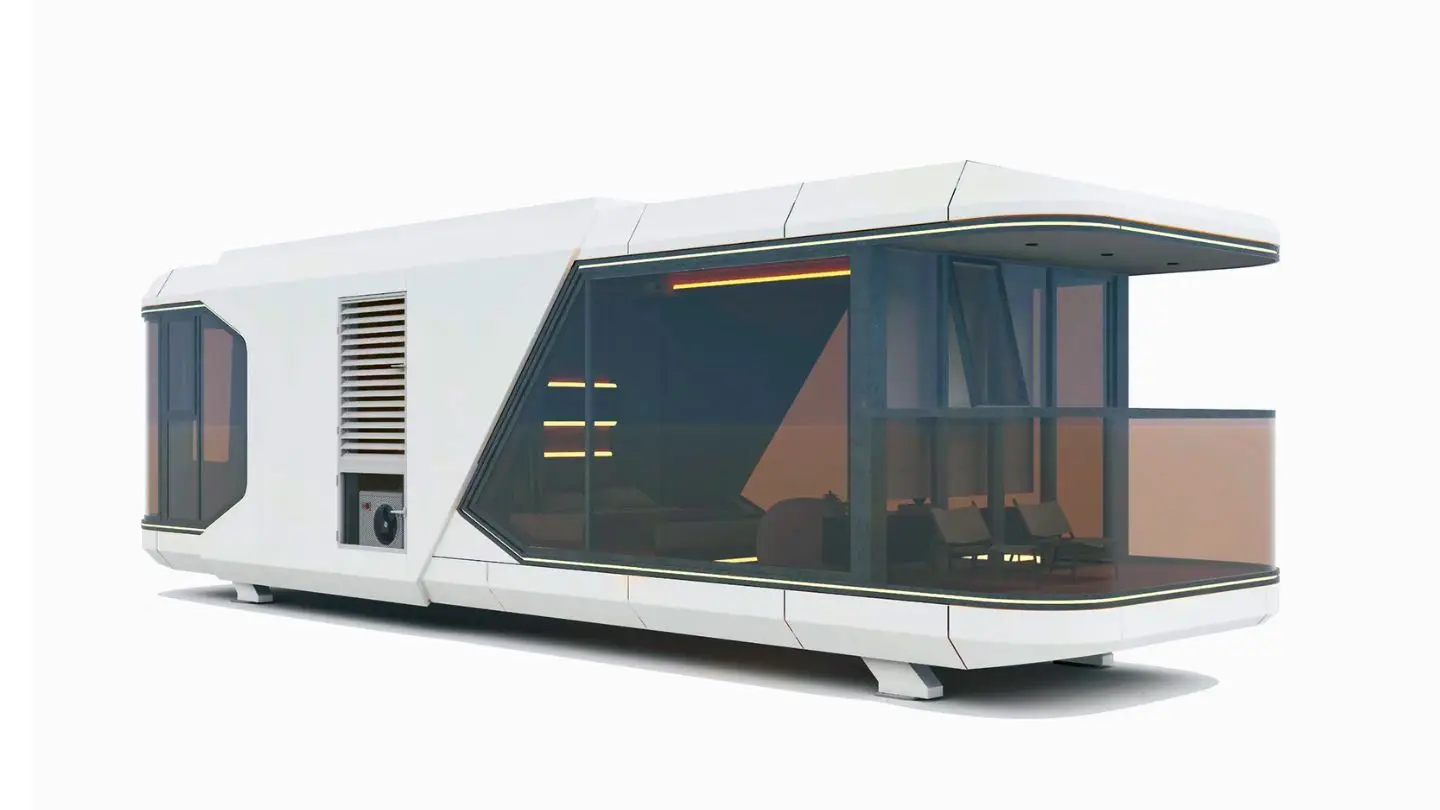
At Lunar Nest, we offer a wide range of designs, from minimalist studio pods and compact modular homes to eco-luxury retreats — all tailored to your land, lifestyle, and aesthetic preferences.
Our design team collaborates with you to customise layouts, materials, and finishes, creating a space that reflects your personality and vision. Whether you’re dreaming of a coastal escape, a modern family home, or a chic urban retreat, prefab homes make it possible — and much faster.
Quality and Durability
Every Lunar Nest prefab home is built to meet strict Australian Building Standards and undergoes multiple quality control checks before it ever reaches your site. Because modules are constructed indoors, they’re protected from rain, dust, and on-site damage, ensuring consistent quality from start to finish.
In fact, prefab homes are often stronger than traditional houses. Each module is engineered to withstand transportation and lifting, meaning it’s built with reinforced framing and superior structural stability. The result? Long-term durability and confidence in every detail.
Regulations and Council Approvals
Prefab homes must follow the same National Construction Code (NCC) and local council regulations as any traditional build. The difference? Prefab projects often move through the approval process faster — thanks to pre-certified modular designs and a more standardised engineering process.
At Lunar Nest, we make compliance simple. Our team assists with every stage of approval — from preparing documentation and engineering certificates to coordinating council submissions. This ensures a smoother, faster path from design to delivery.
To better understand the compliance requirements, see our guide on prefab homes in Australia regulations.
Maintenance and Longevity
Prefab homes are built to last — every bit as durable as traditional houses. Because construction takes place in a clean, climate-controlled factory, each component is protected from moisture, dust, and uneven foundations during assembly.
This precision process means less long-term maintenance, fewer repairs, and a more resilient structure. With proper care, a Lunar Nest prefab home can easily last 50 years or more, matching the lifespan of a well-built brick home — and often exceeding it in consistency and quality. Learn more about construction quality and durability on considering prefabricated houses.
Lifestyle Flexibility and Future-Proof Living
One of the greatest advantages of prefab living — and what drew me in personally — is flexibility. You can start with a compact layout and expand later by simply adding new modules as your lifestyle evolves. Some homeowners even relocate their prefab homes to a new site, offering freedom traditional builds can’t match.
Prefab living also fits seamlessly into Australia’s changing lifestyle trends, from remote work to Airbnb hosting. Many Lunar Nest clients use their prefab homes as backyard studios, guest suites, or eco-retreats, creating extra income or flexible living spaces.
Discover how prefab fits new lifestyles in living in prefab homes and remote workforce housing.
Prefab Homes in 2025: The Future of Australian Housing
The rise of prefab homes in Australia is only gaining momentum. As traditional construction costs continue to climb and sustainability becomes a must, prefab offers a smarter, greener, and more affordable alternative that doesn’t compromise on style or quality.
The future is modular — with emerging innovations like AI-assisted design, solar integration, and smart home automation redefining how we live and build. At Lunar Nest, we’re proud to be part of this shift toward intelligent, sustainable living. See what’s next in our latest insights: top prefab home trends in 2025.
My Takeaway
If you’re weighing up prefab vs traditional homes, start by considering what matters most — time, budget, sustainability, and peace of mind.
Prefab homes in Australia are redefining what’s possible: modern design, faster construction, predictable costs, and long-term efficiency — all without compromise. Traditional builds will always have their charm, but for most homeowners today, prefab is the smarter, cleaner, and more future-ready choice.
At Lunar Nest, we’re proud to lead this shift — helping Australians build homes that align with their values, lifestyle, and the planet’s future.
Ready to explore prefab living? Download our Catalogue or Contact Us to start your Lunar Nest journey.
Frequently Asked Questions
Are prefab homes cheaper than traditional homes in Australia?
Yes. Prefab homes typically cost 20–30% less than traditional builds thanks to efficient production methods, fixed pricing, and reduced on-site labour.
How long does it take to build a prefab home?
Most prefab homes are completed in 8–16 weeks, while traditional homes often take 6–12 months or longer. Because construction happens off-site, you avoid common weather delays.
Are prefab homes durable?
- Definitely. All Lunar Nest prefab homes are built to strict Australian Building Standards and engineered for strength, stability, and long-term performance.
- Can I customise my prefab home?
Absolutely. You can choose from a range of layouts, finishes, and materials — from minimalist pods to luxury modular homes. - Do prefab homes meet Australian building codes?
Yes. Every Lunar Nest prefab home complies with the National Construction Code (NCC) and local council regulations, ensuring full legal and structural compliance across Australia.