
Energy-efficient prefab homes in Australia are designed to work with our climate through smart layouts, high-performance materials, and sustainability upgrades—delivering year-round comfort with lower energy use and less waste.
Climate-smart prefab homes combine thoughtful layout, insulation, orientation, and sustainable upgrades to stay comfortable while reducing energy costs.
Quick takeaways:
- Energy efficiency starts with layout and orientation, not just add-ons.
- Prefab construction reduces waste and improves build precision.
- Sustainable design choices improve comfort now and lower costs long term.
Why sustainability starts with design (not just solar panels)
When people think about sustainable homes, solar panels are often the first thing that comes to mind. While renewables are important, true efficiency begins much earlier—with how the home is designed, laid out, and built.
A climate-smart, energy-efficient house in Australia’s approach focuses on reducing heat loss in winter, limiting heat gain in summer, and lowering reliance on heating and cooling systems. This design-first mindset is one of the reasons prefab is gaining momentum, as explained in prefab is the future of sustainable housing, where we explore how modern construction supports smarter living in Australian conditions.
How Prefab Construction Makes Homes More Sustainable
One of the biggest sustainability advantages of prefab homes comes from how they’re built, not just what materials are used.
Factory precision reduces material waste
Prefab homes are built in controlled factory environments, allowing materials to be measured accurately and reused where possible. This precision reduces offcuts, rework, and on-site waste compared to many traditional builds, making prefab a more sustainable construction method overall. It also supports eco-friendly prefab features, particularly in regional builds where site conditions can make waste reduction more challenging.
Consistent build quality improves energy performance
Because prefab homes are assembled with tighter tolerances, they tend to have fewer gaps and better sealing. This consistency improves thermal performance and helps maintain stable indoor temperatures throughout the year—one of the quiet benefits often highlighted in how modular homes transform your life.
Why Layout Matters More Than You Think
Before technology or upgrades are considered, the internal layout plays a major role in how a home responds to the climate.
A smart layout supports passive comfort
A well-considered 3-bedroom prefab home layout directly affects daily comfort. Climate-responsive layouts often position living areas to capture natural light, place bedrooms where temperature is easier to regulate, and use zoning to manage heat differences across the home. These decisions influence comfort long before any systems are added. If you’re exploring layout options, our guide to designing the ideal layout for a 3-bedroom prefabricated home goes deeper into this.
Orientation, light, and solar-passive design
How a home sits on its block can dramatically influence energy use and livability.
Using the sun to your advantage
Solar-passive design is one of the most effective ways to improve efficiency. By orienting living areas toward the sun and using shading strategically, homes stay warmer in winter and cooler in summer with less energy input. This approach is common in sustainable modular home design, where modules can be arranged to suit the block rather than forcing the block to suit a fixed footprint.
Windows that respond to climate
Double-glazed windows, combined with thoughtful placement, reduce heat loss in winter and overheating in summer. When paired with eaves or external shading, they allow light in without increasing cooling demands—an approach often seen in modern prefabricated homes across Australia.
Insulation: The Quiet Hero of Energy Efficiency
While it’s often hidden from view, insulation has one of the biggest impacts on comfort and performance.
Quality insulation improves comfort year-round
High-quality roof, wall, and floor insulation helps maintain indoor temperatures regardless of seasonal extremes. In cooler regions like Victoria, insulation supports warmth retention, while in hotter climates it helps keep heat out. Prefab construction makes this easier because insulation is installed in a controlled environment, reducing gaps and thermal bridging—an advantage often noted when comparing prefab homes and traditional homes.
Sustainable Upgrades You Can Add Over Time
Sustainability doesn’t have to be all-or-nothing from day one.
Greener choices are easier to plan in prefab homes
One of the strengths of prefab is flexibility. Prefab home customisation allows sustainability features to be planned early or added later as priorities and budgets evolve.
Common sustainability upgrades include
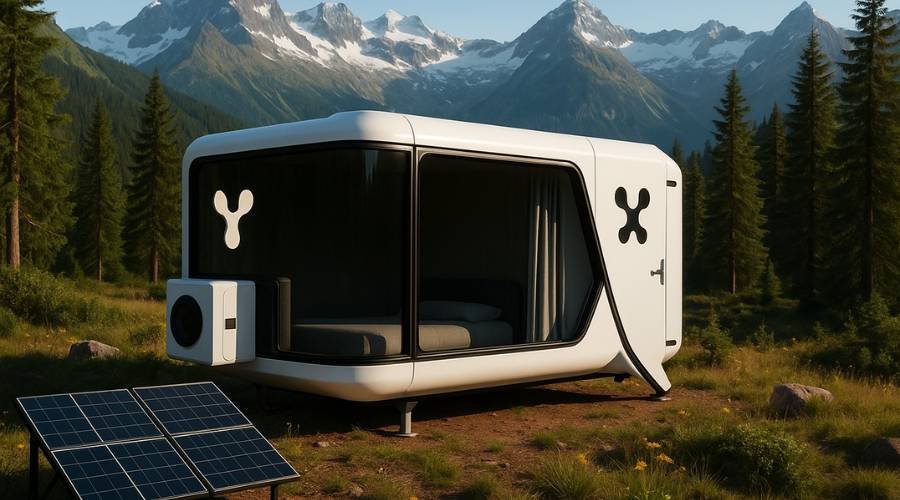
Solar panels or solar-ready roof designs that simplify future installation, rainwater tanks and water-efficient fixtures that reduce water use, and high-efficiency lighting and appliances that lower running costs. These upgrades integrate best when considered early, which we explore further in Lunar G3 upgrades and features for prefab homes.
Interior Design Choices That Support Energy Efficiency
Sustainability isn’t limited to structure and systems—interior decisions matter too.
Interior design plays a role in sustainability
Thoughtful modular home interior design in Australia contributes to both comfort and performance. Thermal window coverings, LED lighting, and durable materials help reduce energy use while maintaining a clean, modern look.
Designing for Australia’s Different Climates
Australia’s climate varies widely, so sustainable design needs to respond to location, not just trends.
Cooler climates need heat retention
In southern regions, features like enhanced roof insulation, airtight construction, and north-facing living areas reduce heating requirements and improve winter comfort.
Hot and sunny regions benefit from shading and airflow
In warmer climates, shaded verandahs, cross-ventilation, and reflective materials reduce heat build-up and improve natural cooling. Prefab homes adapt well to these regional needs because features can be specified based on location rather than relying on a one-size-fits-all design. If you’re navigating approvals or site-specific requirements, planning and compliance in Australia is a helpful resource early on.
How the Lunar G3 Supports Climate-Smart Living
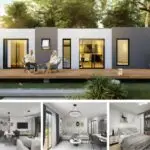
The Lunar G3 3-Bedroom Prefabricated House offers a strong foundation for sustainable living through its balanced layout, generous natural light, and upgrade-ready design.
1. The layout supports climate-responsive design
Its configuration allows living areas to benefit from light and orientation, supporting passive comfort throughout the year.
2. The design allows sustainable upgrades
Solar, water-saving systems, and efficiency upgrades can be integrated without redesigning the entire home.
3. The home adapts as needs change
Long-term adaptability means the home continues to perform well as household needs and energy priorities evolve.
Sustainable Homes Don’t Mean Sacrificing Lifestyle
A common misconception is that sustainable homes require sacrifice. In reality, energy-efficient prefab homes often feel quieter, more comfortable, and easier to live in. Better temperature control, lower running costs, and thoughtful design all contribute to homes that support everyday life rather than complicate it—one reason sustainability is increasingly seen as a lifestyle benefit, not just an environmental one.
Thinking About a Climate-Smart Prefab Home?
If you’re planning a prefab home and want it to perform well in Australia’s climate, we’re happy to help you explore your options. You can reach out via our contact page or browse sustainability-ready designs and layouts by downloading the catalogue.
A well-designed energy-efficient prefab home in Australia isn’t just better for the environment—it’s better to live in, every day.
Frequently Asked Questions
Are prefab homes more energy-efficient than traditional homes?
They can be. Controlled construction and upfront planning often lead to better insulation, sealing, and overall performance.
Can sustainability features be added later?
Yes. Many prefab homes are designed to be solar-ready and allow water or efficiency upgrades over time.
Do sustainable prefab homes cost more?
Some features add upfront cost, but they often reduce running costs and improve comfort long term.
Are prefab homes suitable for all Australian climates?
Yes. Prefab homes can be designed and specified to suit a wide range of Australian climate conditions.