
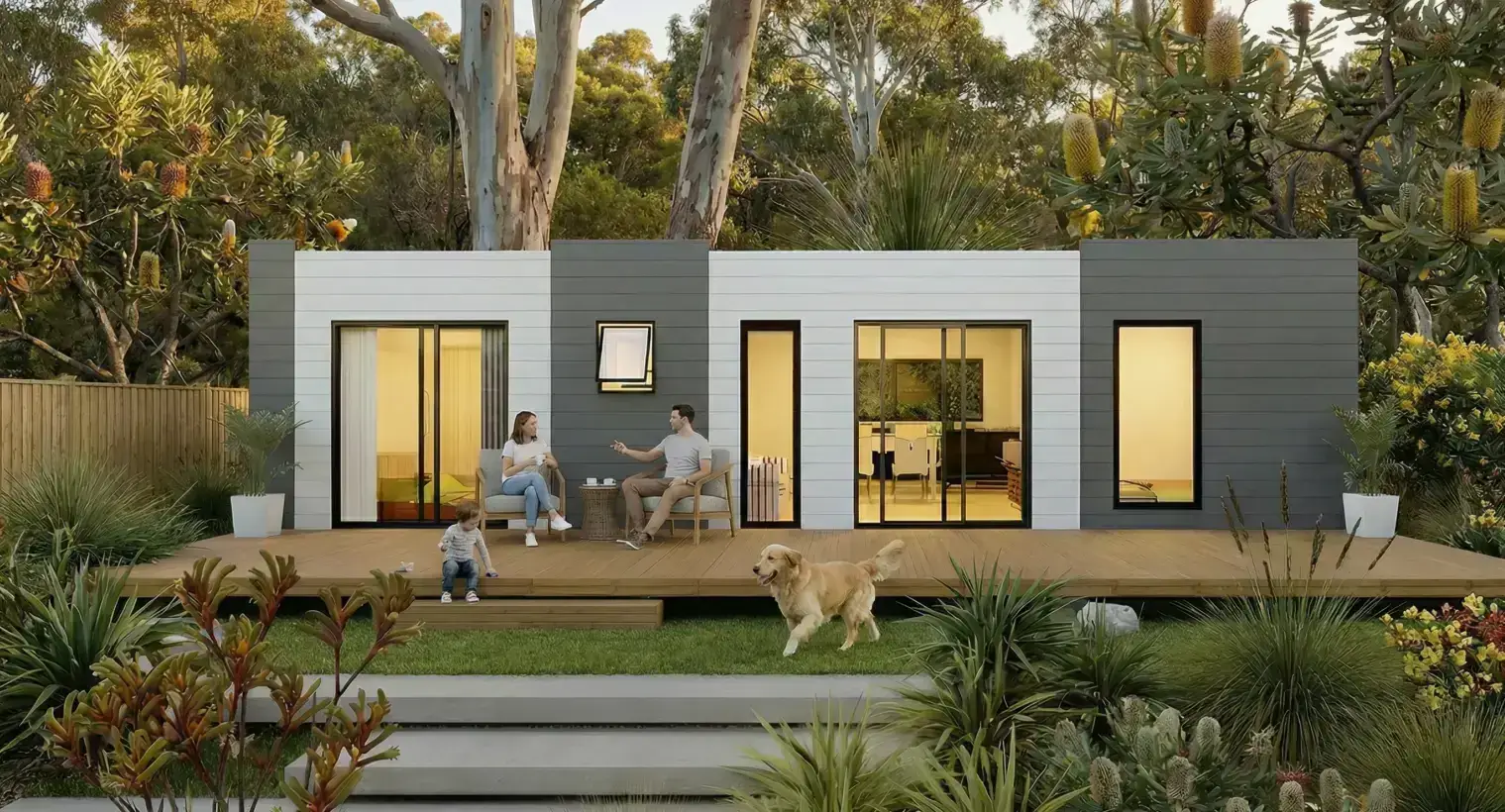
Prefabricated homes are becoming one of the most practical housing solutions across Sydney and Australia — especially for people who want speed, cost control, and flexibility without the stress of traditional construction.
Instead of long build times and unpredictable costs, prefabricated homes arrive largely complete. They are manufactured in controlled environments, delivered to site, and installed quickly. This makes them ideal for backyard studios, guest accommodation, short-stay rentals, and off-grid living — all without sacrificing comfort or design.
Whether you’re adding space to an existing property or exploring alternative housing, prefabricated homes offer a smart, efficient path forward.
Why Prefabricated Homes Make Sense
Prefabricated homes are built off-site and delivered as finished or near-finished units. This approach removes many of the delays and complications commonly associated with traditional builds.
Key advantages include:
- Faster installation — move-in ready in weeks, not months
- Reduced site disruption — minimal excavation and labour
- Predictable costs — fewer variations and weather delays
- Flexible use cases — studios, rentals, retreats, or full-time living
- Lower stress — a simplified planning and build process
Because interiors are pre-fitted with insulation, electrical systems, and finishes, on-site work is usually limited to placement and utility connections.
For homeowners who want similar off-site efficiency with expandable layouts, modular homes can also be a practical alternative using the same construction principles.
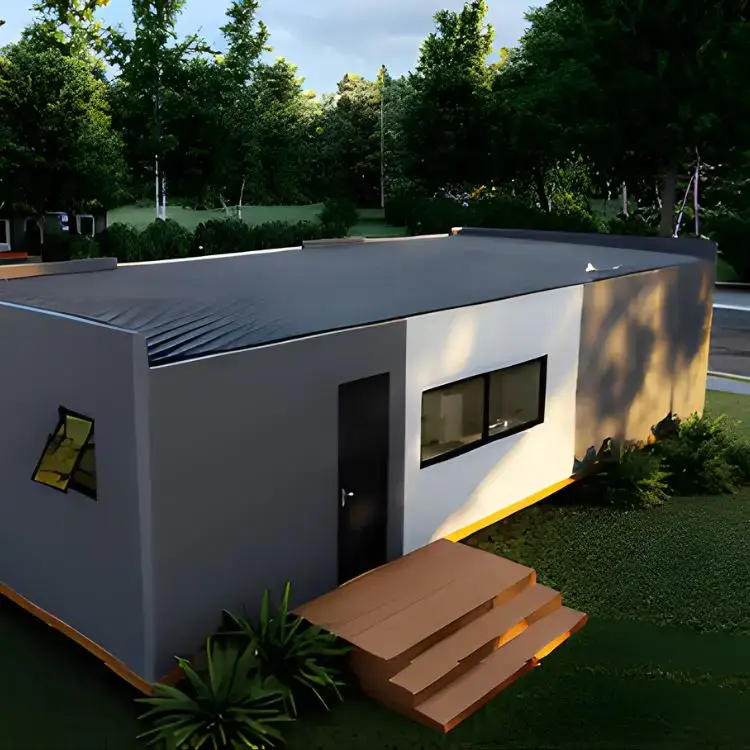
How Australians Are Using Prefabricated Homes
Prefabricated homes aren’t limited to one lifestyle. Their versatility is what makes them so appealing across Australia.
Common use cases include:
- Backyard studios for work, creativity, or wellness – Ideal for home offices, art studios, gyms, or quiet retreats without extending your main house.
- Guest accommodation for family or visitors – A comfortable, private space for guests that doesn’t disrupt daily living in the main home.
- Short-stay or Airbnb rentals for additional income – A popular option for generating rental income with minimal build time and maintenance.
- Rural or off-grid pods for self-sufficient living – Well-suited to regional blocks where access to utilities may be limited or unavailable.
- Compact full-time homes on small or regional blocks – A practical primary residence for downsizers, singles, or couples seeking a simpler lifestyle.
From simple prefab cabins to fully fitted capsule-style homes, there are configurations to suit different budgets, land sizes, and lifestyle goals.
If you’re comparing alternatives, transportable houses and tiny homes can also offer fast-build solutions, with different size, mobility, and placement considerations.
Can You Live in a Prefabricated Home Full-Time?
Yes. Modern prefabricated homes are designed to meet Australian standards and are suitable for year-round living.
They typically include:
Thermal insulation for heat and cold
Helps maintain comfortable indoor temperatures throughout the year.
Durable materials for long-term use
Built to withstand regular use and Australian weather conditions.
Optional bathrooms and kitchenettes
Allowing the home to function as a complete, self-contained dwelling.
Energy-efficient lighting and ventilation
Designed to reduce running costs and improve everyday comfort.
Many people choose prefabricated homes as their primary residence, while others use them as secondary dwellings or income-producing assets.
Do You Need Council Approval?
Council requirements vary depending on your state, local council, and land zoning.
Approval usually depends on factors such as:
- Size of the unit – Larger homes may require more detailed approvals.
- Intended use – Whether the home is used as a studio, dwelling, or rental.
- Home is fixed or relocatable – Permanent structures are often assessed differently from relocatable ones.
- Local planning and compliance rules – Zoning, setbacks, and land-use regulations can vary widely.
Before proceeding, it’s important to understand planning requirements specific to your area. Clarifying this early can save time and prevent costly delays later.
How to Get Started With a Prefabricated Home
If you’re considering a prefabricated home, following a clear process helps ensure a smooth experience:
- Assess your site — confirm access, space, and ground conditions
- Define your needs — studio, guest space, rental, or residence
- Select features — layout, insulation, utilities, and finishes
- Plan approvals — confirm council and zoning requirements
- Arrange delivery and connections — utilities or off-grid setup
If you’re still weighing different build options, kit homes can also provide cost-effective solutions with varying levels of on-site involvement.
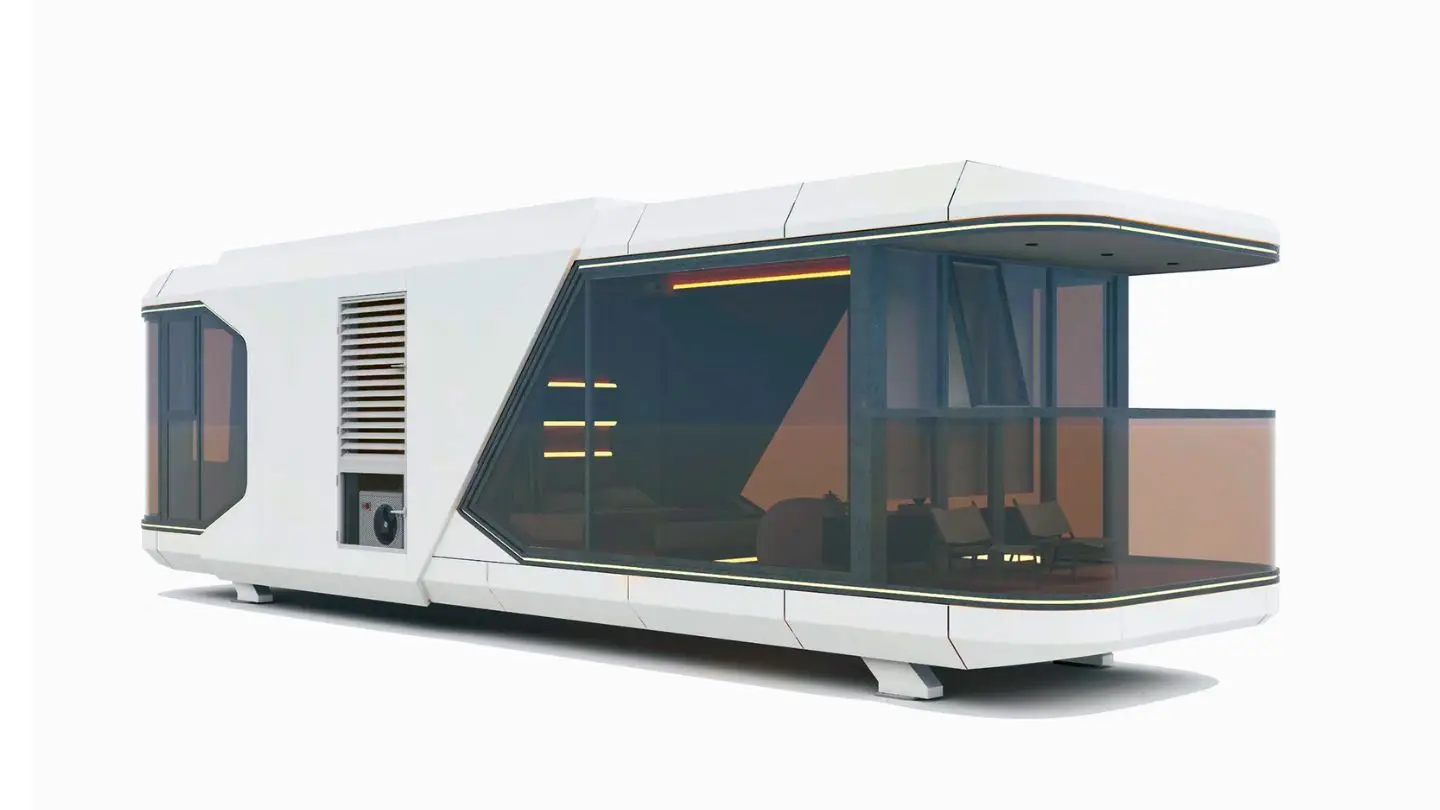
Is a Prefabricated Home Right for You?
If you value speed, simplicity, and flexibility, prefabricated homes offer a compelling solution. They reduce build stress, shorten timelines, and adapt easily to modern lifestyles — whether in urban backyards or remote settings.
Ready to explore your options?
Request a quote or book a consultation to see how a prefabricated home could work for your property and budget.
Frequently Asked Questions
What is a prefabricated home?
A prefabricated home is a dwelling that’s built off-site in a controlled factory environment, then delivered and installed on your land. Most of the construction is completed before delivery, which reduces build time, site disruption, and unexpected costs.
Are prefabricated homes cheaper than traditional homes?
In many cases, yes. Prefabricated homes often cost less than traditional builds because labour is more efficient, timelines are shorter, and there are fewer weather-related delays. While final costs depend on size, features, and site conditions, pricing is usually more predictable.
How long does it take to install a prefabricated home?
Once approvals and site preparation are complete, installation can take anywhere from a few days to a few weeks. This is significantly faster than traditional construction, which can take many months from start to finish.
Can prefabricated homes be customised?
Yes. Many prefabricated homes offer flexible layouts, finishes, insulation options, and utility setups. While they’re more streamlined than custom-built homes, there’s still plenty of room to tailor the design to your needs and lifestyle.
Are prefabricated homes suitable for full-time living?
Absolutely. Modern prefabricated homes are designed to meet Australian building standards and can be lived in year-round. They typically include proper insulation, durable materials, and optional kitchens and bathrooms suitable for long-term use.