

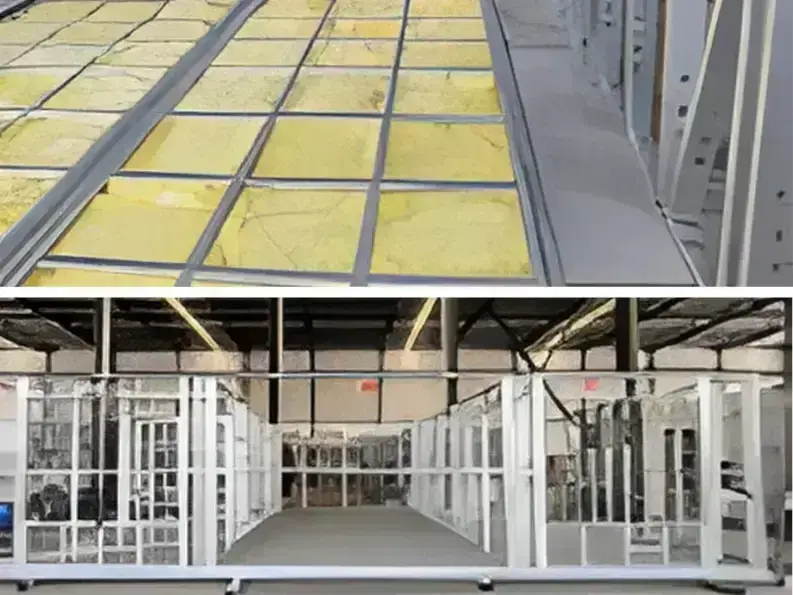
The 3-bedroom prefab home in Australia includes more than just the house itself. A realistic budget accounts for the base prefab price, site preparation, transport, installation, approvals, utilities, and finishing costs—giving you far more certainty than many traditional builds.
A 3-bedroom prefab home budget covers the home, site works, delivery, installation, approvals, and services, offering clearer pricing than traditional building.
Quick takeaways:
- Prefab pricing is more transparent upfront than most traditional builds.
- Site and installation costs are just as important as the home price.
- Early planning reduces the risk of budget blowouts.
Why Understanding The Full Cost Matters
One of the biggest frustrations with building is unexpected expenses. Many people focus on the advertised home price, only to be caught out later by site works, council requirements, or delays that add thousands to the final cost.
Prefab homes help reduce this uncertainty by allowing most costs to be identified earlier in the process. By understanding the full prefab house cost breakdown, you can plan with confidence and avoid many of the surprises that come with traditional construction. This clarity is also why buyers often start by comparing the 3-bedroom prefab and traditional cost before deciding which path to take.

Base Cost: The Prefab Home Itself
Before looking at site or installation costs, it’s important to understand what the base prefab price typically includes.
What the base price usually covers
For standard builds, prefab homes in Australia are often priced around $2,500–$3,000 per square metre, depending on specifications, finishes, and inclusions. This base price generally covers factory construction of the modules, structural components, and standard internal finishes.
Using a defined model like the Lunar G3 helps clarify what’s included upfront.
If you’re still weighing options, our comparison of prefab homes and traditional homes explains how base pricing and cost certainty differ across build methods.
Site Preparation Costs: What Happens Before Delivery
Once you’ve chosen a prefab home, the next major cost area is preparing the land for installation.
Preparing the land for installation
Site preparation costs vary widely depending on access, slope, soil conditions, and location. Typical site preparation costs may include earthworks, levelling, drainage, and foundations or footings.
These costs apply whether you build prefab or traditional, but prefab construction often reduces how long heavy machinery and trades are required on site. If you’re still assessing land readiness, our guide to planning and compliance in Australia explains what councils usually require before installation begins.
Transport and Delivery Costs
Because prefab homes are built off-site, transport is a unique cost that needs to be factored in early.
Moving the home to your site
Prefab homes are delivered in sections, with transport costs depending on distance, site access, and timing. Common prefab installation expenses include truck hire (often charged hourly or by distance), escort vehicles for oversized loads, and delivery coordination.
These costs are especially important for regional or semi-rural sites, which we often discuss in our overview of prefabricated homes and delivery considerations.
Cranage and Installation
Once the modules arrive on site, installation happens quickly—but it still comes with its own costs.
Lifting modules into place
Modules are craned onto prepared foundations, with crane hire typically charged hourly. Costs depend on access, lift complexity, and weather conditions.
While cranage adds to upfront expenses, installation is fast—often completed in one or two days. This reduced on-site timeframe is one reason prefab builds experience fewer delays and more predictable labour costs than traditional construction.
Permits, Approvals, and Professional Fees
No matter how you build, regulatory costs are unavoidable and should be budgeted early.
Council and regulatory costs
Permit and professional fees may include development approvals, engineering reports, and compliance certificates. These costs vary by council and site.
Prefab homes often benefit from shorter overall timelines, which can reduce holding costs and temporary accommodation expenses—an advantage we also touch on in how modular homes transform your life.
Utility Connections and Services
Connecting services is a necessary step that’s often underestimated during early budgeting.
Connecting your home to essentials
Utility costs may include water, sewer, electricity, NBN, and gas connections. These expenses vary significantly depending on whether services already exist on the site, making early investigation important.
Finishing Touches and Optional Upgrades
Beyond the structure and installation, there are additional costs that shape the final budget.
Budgeting beyond the home itself
Items often excluded from base pricing include decks, verandahs, landscaping, driveways, fencing, and upgraded finishes.
This is also where planning for energy-efficient prefab homes in Australia can pay off. Solar-ready design, efficient lighting, insulation upgrades, or water-saving features may add upfront cost but reduce long-term running expenses.
Comparing Prefab and Traditional Build Costs
Many buyers want to understand how prefab stacks up financially against conventional construction.
Where prefab often delivers better value
When comparing 3-bedroom prefab and traditional cost, prefab homes often offer savings through shorter timelines, reduced labour variability, and fewer weather-related delays.
Even when the base cost per square metre is similar, prefab’s predictability helps avoid unexpected overruns.
Long-term Value and Resale Considerations
A smart budget looks beyond construction and considers how the home performs over time.
Thinking beyond the build cost
Energy performance, durability, and design flexibility all influence prefab home resale value in Australia. Homes that are energy-efficient, family-friendly, and low maintenance often hold value better—especially as prefab becomes more widely accepted across Australia.
Creating a Modular Home Budget Plan
Pulling all cost categories together makes budgeting far less stressful.
Planning with confidence
A realistic modular home budget plan includes the base home, site works, transport, installation, approvals, utilities, and a contingency allowance. Breaking costs into clear categories helps ensure your budget reflects real-world expenses, not just headline prices.
How the Lunar G3 Fits Into a Clear Budget
Some prefab models make budgeting easier by offering clear inclusions from the start.
The Lunar G3 is often chosen by buyers who want pricing clarity early. Its defined design and inclusions make it easier to estimate costs while still allowing flexibility where it matters.
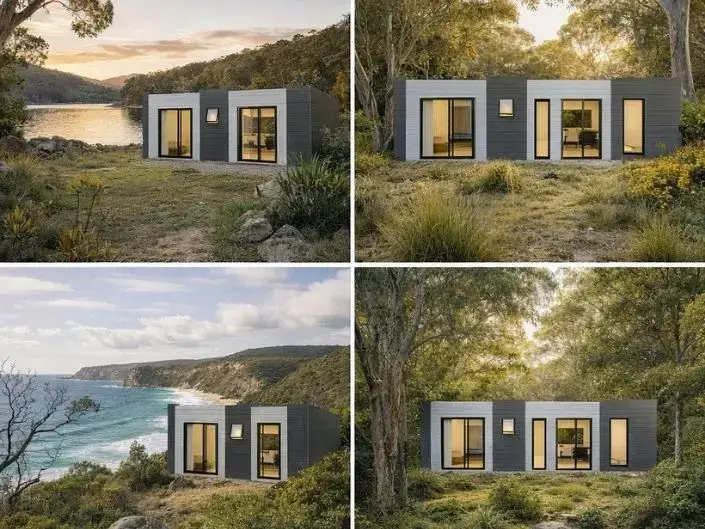
Ready To Take The Next Step?
If you’re planning a 3-bedroom prefab and want a clear, realistic understanding of costs, we’re happy to help you talk it through. You can get in touch via our contact page, or explore layouts and inclusions by downloading the catalogue.
A well-planned 3-bedroom prefab home cost in Australia budget gives you clarity, confidence, and control—before construction even begins.
Frequently Asked Questions
Is prefab cheaper than building traditionally?
Prefab isn’t always cheaper per square metre, but it often offers better cost certainty and fewer unexpected expenses.
Can I manage costs by limiting upgrades?
Yes. Starting with a standard design and choosing upgrades selectively helps keep budgets under control.
Are site costs included in prefab pricing?
Usually not. Site preparation, services, and approvals are typically separate and should be budgeted for upfront.
Do prefab homes have good resale value?
Well-designed prefab homes with strong energy performance and family-friendly layouts can perform well in resale markets.