
Good modular home interior design in Australia focuses on light, flow, and flexibility. With the right colours, furniture, and storage choices, a 3-bedroom prefab can feel spacious, personal, and just as stylish as a traditional home.
Smart interior design choices can make a 3-bedroom modular home feel open, functional, and uniquely yours—without sacrificing comfort or style.
Quick takeaways:
- Light colours and natural light help prefab homes feel more spacious.
- Multi-purpose furniture and built-in storage maximise usable space.
- Interior design works best when it follows the home’s layout and flow.
Prefab Homes Can Look and Feel Like Real Homes
One of the most common misconceptions about prefab homes is that they’re basic or limited in style. In reality, modern prefab homes are designed with clean lines, generous windows, and open-plan living—features that are built in from the start rather than added later.
This shift is part of how modular design has evolved, showing how prefab homes now support both lifestyle and design flexibility.
When paired with the right finishes and furnishings, a prefab interior can feel warm, contemporary, and highly personal—especially within a well-planned 3-bedroom prefab home layout.
Start With the Layout Before Choosing Furniture
Before choosing décor or furniture, it’s important to understand how the home flows.
A good layout:
- Guides where furniture naturally fits
- Helps define zones within open-plan spaces
- Prevents overcrowding or awkward transitions
Interior styling is always easier when the layout works first. If you’re curious how layout decisions shape interior outcomes, our guide to designing the ideal layout for a 3-bedroom prefabricated home breaks this down in detail.
You may also find it helpful to compare how prefab layouts differ from conventional builds.
How Colour Can Make a Prefab Home Feel Bigger
Colour plays a big role in how spacious and calm a prefab interior feels, especially when the home already benefits from good natural light.
Lighter palettes create openness
Most prefab homes are designed to bring in plenty of natural light. Light, neutral colour schemes help amplify this, making rooms feel larger and calmer—particularly in open-plan living areas.
Soft whites, warm greys, and muted natural tones work especially well in prefab interiors, where daylight is already a key design feature.
Accent colours add personality without clutter
Instead of committing to bold feature walls, many homeowners add colour through cushions, artwork, rugs, and soft furnishings. This keeps interiors flexible and easy to update as tastes change.
Choosing Furniture That Doesn’t Crowd the Space
In a 3-bedroom modular home, furniture choices have a big impact on how functional and open the space feels.
Multi-purpose furniture saves space
In 3-bedroom modular homes, furniture that serves more than one purpose is especially valuable. Storage ottomans, sofa beds, extendable dining tables, and compact desks all help maximise usable space.
These small home interior tips are particularly useful in prefab homes where efficient use of space is part of the design philosophy.
Scale matters more than quantity
Choosing fewer, well-proportioned pieces often makes a room feel larger than filling it with too much furniture. Let the room size, window placement, and circulation guide your choices.
Why Built-In Storage Makes Such a Big Difference
Good storage design helps a prefab home feel organised, intentional, and easy to live in.
Storage that blends into the design
Built-in cabinetry is one of the easiest ways to keep a prefab interior feeling tidy and intentional. Integrated storage reduces visual clutter and frees up floor space, especially in hallways and shared areas.
This is where prefab home customisation really shines, as storage can be planned early rather than added later as an afterthought. Many owners explore these options alongside other prefabricated home solutions to get the most from their layout.
Bedrooms benefit most from smart storage
Well-designed wardrobes, shelving, and under-bed storage help bedrooms stay calm and functional—an important factor in family homes.
Using Ceiling Height and Windows to Create an Open Feel
Many prefab designs feature higher ceilings and larger windows than people expect. These elements are key to creating an open, airy feel.
Simple styling choices—such as full-height curtains, light window furnishings, and avoiding heavy finishes near windows—help reinforce the sense of space already built into the home.
Styling Open-Plan Living Without It Feeling Empty or Messy
Open-plan living is a defining feature of many prefab homes, and the way these spaces are styled can greatly affect how they feel to live in.
Define zones without closing them off
In open-plan spaces, rugs, lighting, and furniture placement can subtly define living, dining, and kitchen areas without interrupting flow.
This approach works particularly well in prefab homes designed around connection and flexibility, where open living is a core feature rather than a trend.
Keep sightlines clear
Clear walkways and unobstructed views between spaces help the entire home feel more connected and relaxed.
Kids’ Rooms That Don’t Need Redoing Every Few Years
In family homes, children’s bedrooms benefit from flexible design. Neutral base colours paired with adaptable furniture make it easier to update the room as kids grow.
This long-term approach to design is one of the reasons prefab family homes are increasingly chosen for permanent living rather than short-term solutions.
Energy-Efficient Interior Choices That Still Look Good
Interior design isn’t just about appearance. Lighting, window coverings, and materials all affect comfort and performance.
Using LED lighting, breathable window furnishings, and durable finishes supports energy-efficient prefab homes in Australia while still maintaining a modern, stylish look. For a broader view on how design and sustainability work together, check out why prefab is the future of sustainable housing.
Why the Lunar G3 Is Easy to Style
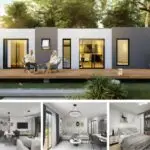
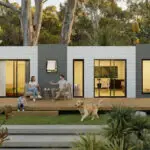
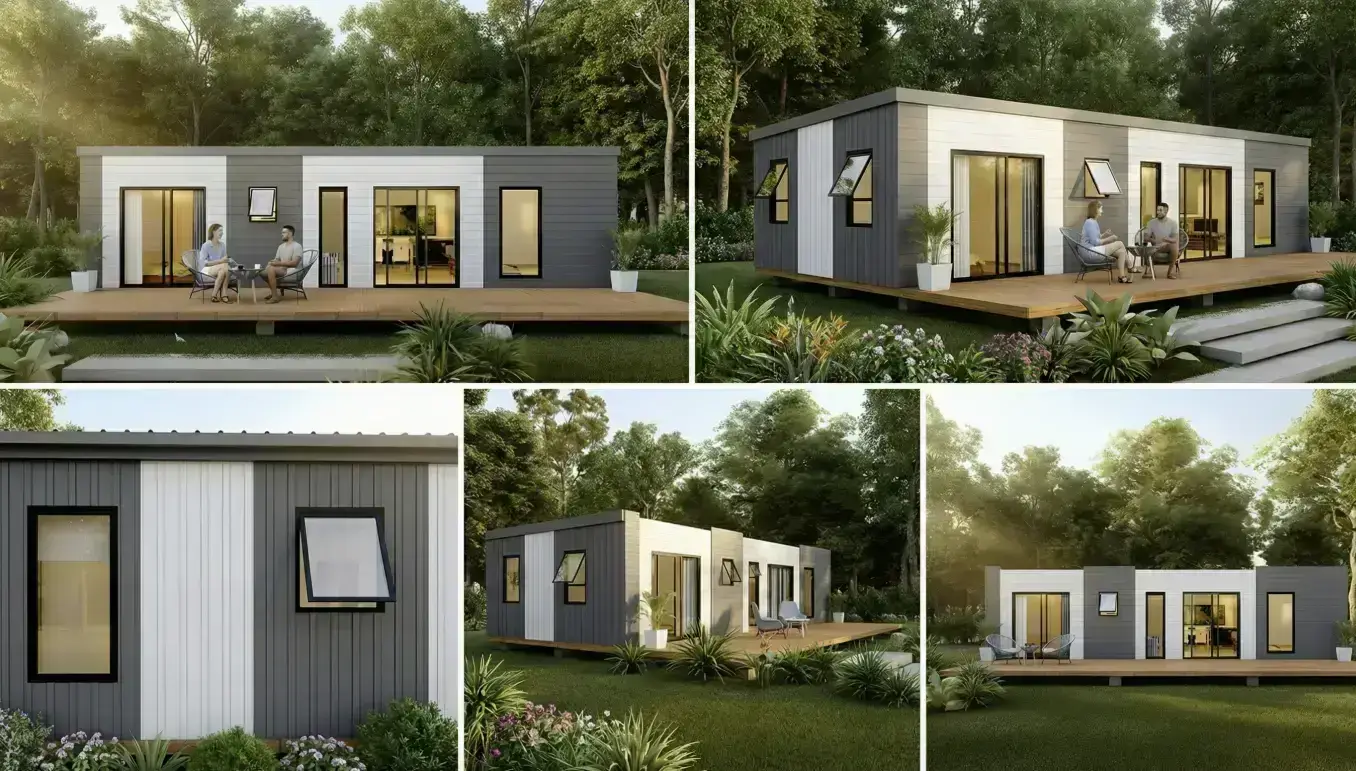
The Lunar G3 3-Bedroom prefabricated house offers a clean, well-proportioned interior that’s easy to style. Its open living areas, generous natural light, and flexible bedrooms make it a strong foundation for personal interior design choices.
Why Interior Design Works Best When Planned Early
The best prefab interiors come together when design decisions—such as storage, lighting, and finishes—are considered early in the process.
If you’re still planning or looking for inspiration, our design and planning insights for prefab homes cover real questions homeowners ask when shaping both interiors and layouts.
Thinking About Your Own 3-Bedroom Prefab?
If you’re planning a 3-bedroom prefab and want it to feel spacious, personal, and easy to live in, we’re happy to help you think it through. You can get in touch via our contact page, or explore layouts and finishes by downloading the Lunar Nest catalogue.
With the right approach to modular home interior design Australia, a prefab home can feel warm, flexible, and uniquely yours from day one.
Frequently Asked Questions
Can prefab homes look as stylish as traditional homes?
Yes. With thoughtful interior design, prefab homes can be just as stylish and personalised as traditional builds.
Are modular homes good for small spaces?
They are. Smart layouts, built-in storage, and multi-purpose furniture make modular homes well-suited to compact living.
Do prefab interiors feel bright?
Most modern prefab homes are designed with generous windows and open layouts, creating naturally bright interiors.
Can interiors be customised?
Yes. Many prefab homes allow interior finishes and storage solutions to be customised during the design phase.