
A 3-bedroom prefab family home gives Australian families the space they need, the build speed they want, and the cost clarity they’re craving—without compromising comfort or quality.
A modern 3-bedroom prefab home offers Australian families flexible space, faster build times, and clearer costs than traditional housing.
Quick takeaways
- Faster build with fewer delays
- Open-plan layouts that work for kids and parents
- Flexible rooms for work-from-home or guests
- Clearer pricing than many traditional builds
- Designed for long-term family living, not temporary use.
If You’re Raising a Family, This Question Comes Up Fast
“Is a prefab home actually suitable for family living?”
We hear this all the time. Many families still picture prefab homes as small, temporary, or only suited to studios and cabins. That idea is outdated.
Modern prefab family homes are designed as permanent residences, built to Australian standards and planned around everyday living. For families juggling kids, work, and rising costs, prefab isn’t about settling—it’s about choosing a smarter path.
If you’re early in your research, our why prefab guide explains the basics clearly.
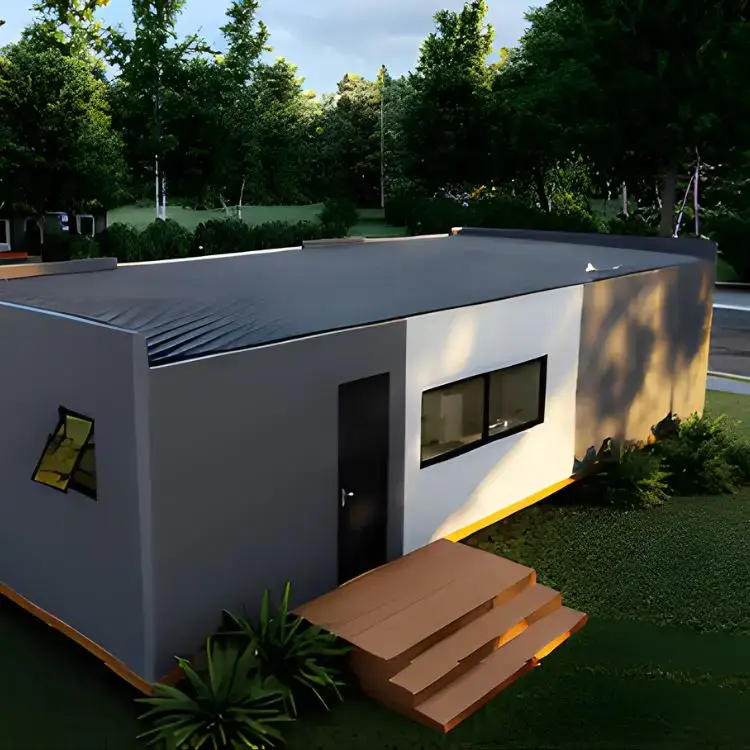
Why 3 Bedrooms Is the Sweet Spot for Families
A 3-bedroom modular home works because it gives families flexibility without unnecessary size or cost.
Most households naturally fall into this rhythm:
Parents enjoy a private main bedroom
In most family homes, the main bedroom gives parents a quiet, private space that feels separate from the busier shared areas of the house.
Children use the second bedroom as their own zone
The second bedroom typically becomes a dedicated space for children, whether they share it or have it set up to grow with them over time.
The third bedroom adapts as family needs change
The third bedroom is the most flexible space in a 3-bedroom prefab, easily shifting from nursery to study, guest room, or multipurpose family room as life evolves.
For families planning shared or extended living arrangements, it’s also worth understanding local site rules and approval requirements, which we explain in our guide to planning and compliance in Australia.
Why Modern Prefab Homes Feel More Spacious Than You’d Expect
One of the biggest myths we still hear is that prefab homes feel cramped.
In reality, modern prefab design focuses on how space is used, not just how big it is. Open-plan living areas, better light flow, and smarter storage often make these homes feel more spacious than older, traditionally built houses.
Many families tell us their prefab feels calmer and easier to live in than their previous home. If you’re curious how modern modular design has changed, we unpack it in how modular homes transform your life.
Open-Plan Living That Actually Works With Kids
Open-plan layouts aren’t about trends—they’re about practicality.
In family-friendly prefab homes, kitchens, dining areas, and living spaces connect naturally. Parents can cook while supervising kids, shared areas feel more social, and the home adapts to busy daily routines.
You’ll see this approach across our broader prefabricated homes range, not just family-focused models.
Safety, Comfort, and Peace of Mind
A family home has to feel solid and dependable.
Prefab homes are built in controlled factory environments, which allows for greater consistency during construction. Once installed on-site, they function like any other permanent home—just without months of weather delays and site disruptions.
Cost-Effective Doesn’t Mean Cutting Corners
With the cost of living rising, it’s natural for families to be cautious about building a new home.
A cost-effective prefab house helps by offering clearer pricing earlier in the process and helping reduce the risk of long build delays compared to many traditional builds.
For many families, that certainty is just as important as the final price. If you’re comparing prefab with traditional construction, our guide to prefab homes and traditional homes helps explain the differences, while our overview of prefab homes in Australia gives a clear picture of typical costs and what to expect.
Faster Builds Mean Less Disruption
Traditional builds can stretch on for a year or more. For families, that often means extended rentals, uncertainty around school zones, and constant schedule changes.
Prefab construction reduces that disruption by completing most of the build off-site. Installation is quicker, timelines are more predictable, and families can plan with more confidence.
Making Space for Work and Study at Home
That third bedroom often becomes more than just a spare room.
Many families now use it as a study or workspace, especially as hybrid and remote work become more common. A well-thought-out prefab home office design makes it easier to work from home without taking over living areas or bedrooms meant for kids. If work-from-home flexibility is important for your household, our guide to remote workforce housing offers helpful insights into how prefab homes can support that lifestyle
Beyond Everyday Living: Holiday and Lifestyle Uses
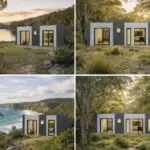
Some families choose 3-bedroom prefab homes not just as a main residence, but as a second home or lifestyle base.
This is where the idea of a prefab holiday home in Australia really comes into play—particularly for regional or coastal land where speed, access, and simplicity matter.
Over time, some owners also explore short-stay options, which we explain in our guide to Airbnb use cases. For broader inspiration around relaxed, modern living, our capsule home lifestyle insights are also worth exploring.
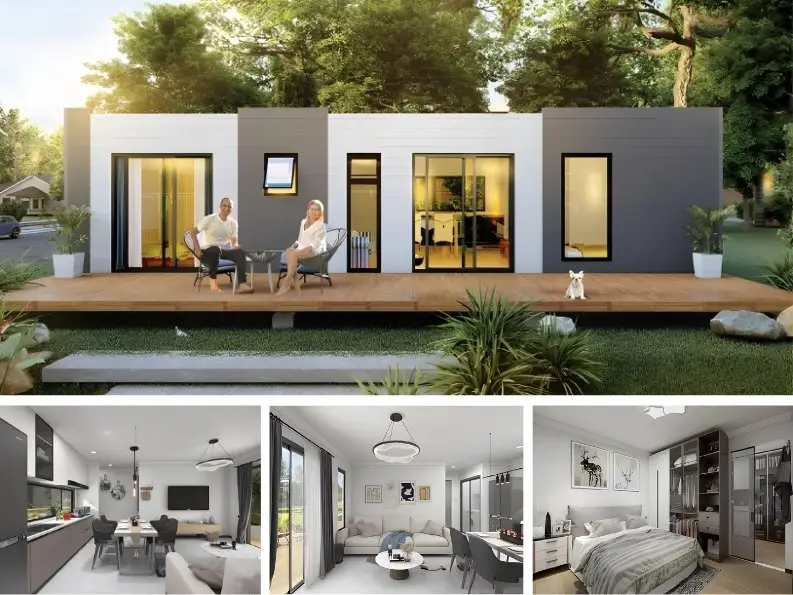
The Lunar G3: Designed With Families in Mind
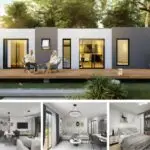
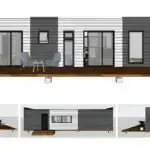
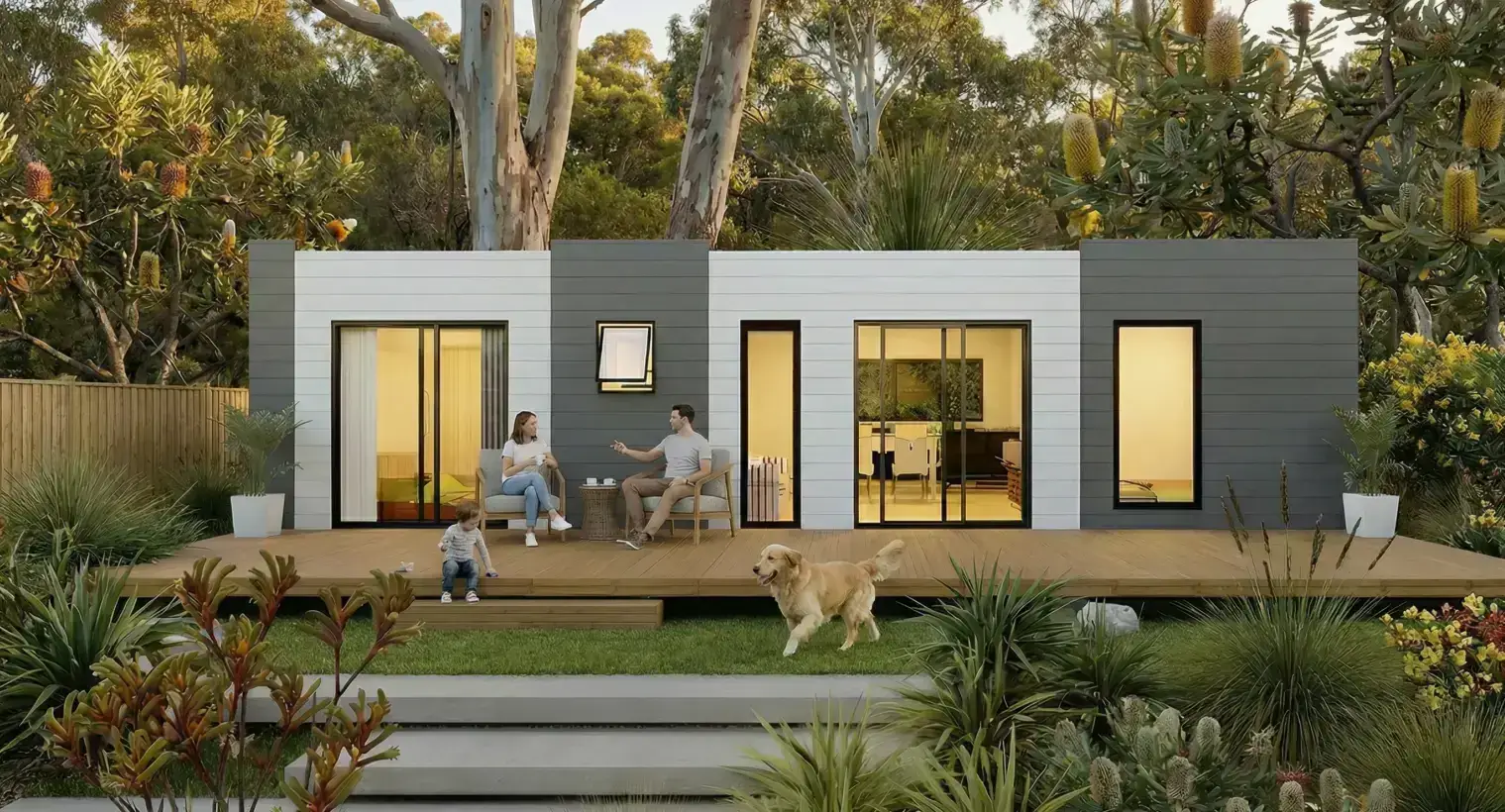
The Lunar G3 3-Bedroom Prefabricated House is a good example of how prefab design supports family living.
It balances private bedrooms with open shared spaces and allows rooms to adapt as your family grows or changes.
Is a 3-Bedroom Prefab Right for Your Family?
This type of home is a strong fit if you’re looking for:
You want a clearer build process
A 3-bedroom prefab is a strong option for families who value clearer timelines and more certainty throughout the build, with fewer surprises along the way.
You need flexible space for kids and work
This type of home works well if you want rooms that can adapt over time, whether that’s for growing kids, study space, or working from home.
You’re looking for faster move-in timelines
Prefab construction suits families who want to move in sooner and avoid the long delays often associated with traditional builds.
You want a long-term family home
A well-designed 3-bedroom prefab is built for permanent living, making it a practical choice if you’re planning for the long haul rather than a short-term solution.
Ready to take the next step?
If a 3-bedroom prefab feels like the right fit for your family, we’re happy to talk things through and answer any questions you have. You can reach out to us through our contact page to talk through your plans or explore layouts, finishes, and options by downloading our catalogue. We’re also happy to discuss site access, placement, and next steps so you can clearly understand what’s possible on your land.
At the end of the day, a family home should support your life, not complicate it. A well-designed prefab family home offers flexibility, comfort, and peace of mind—without the drawn-out stress that so often comes with traditional building.
Frequently Asked Questions
Are 3-bedroom prefab homes suitable for families in Australia?
Yes. Modern 3-bedroom prefab homes are designed for permanent family living and meet Australian building standards. They offer practical layouts, open-plan living, and flexible rooms that suit growing families.
How long does it take to build a 3-bedroom prefab home?
Most of the construction happens off-site, which significantly reduces build time compared to traditional homes. Once the home is delivered, on-site installation is typically much faster than a conventional build.
Do prefab homes feel smaller than traditional houses?
No. Many families find prefab homes feel more spacious due to smarter layouts, open-plan designs, and better use of natural light. Space efficiency often makes them feel larger than older traditional homes of a similar size.
Can a 3-bedroom prefab include a home office?
Yes. The third bedroom is commonly used as a study or workspace. A well-planned prefab layout makes it easy to include a dedicated home office without sacrificing family living areas.
Are prefab homes a cost-effective option for families?
Prefab homes are often more cost-effective because pricing is clearer upfront and build delays are reduced. This cost certainty helps families plan with confidence and avoid unexpected blowouts.