

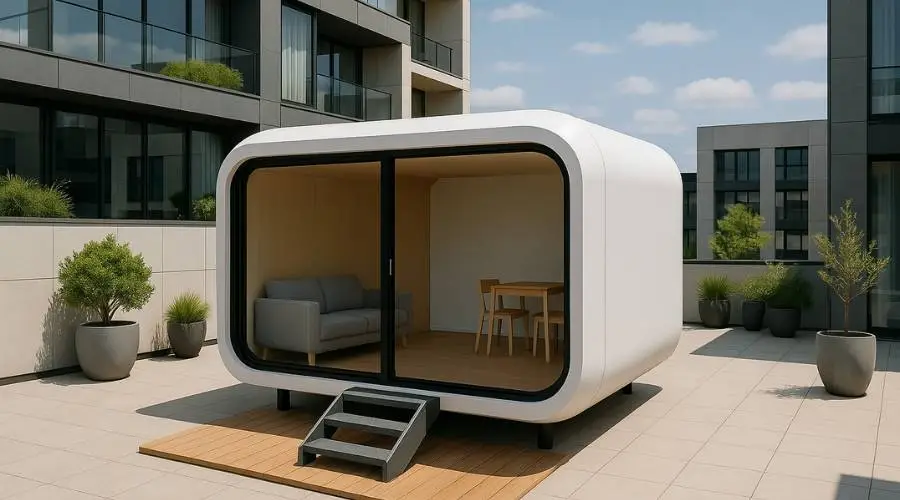
Modular homes vs prefab homes differ in how they’re built and assembled — both are pre-manufactured, but modular homes offer more design freedom and longevity.
Key Takeaways:
- What’s the real difference between modular and prefab homes?
- Which is faster to build and more cost-effective?
- How do both fit into Australia’s sustainable housing movement?
- When should you choose modular over prefab (or vice versa)?
What Are Modular and Prefab Homes?
Both modular and prefab homes are part of the same innovative movement transforming how Australians build and live. The key is understanding how each works — and which one best fits your goals.
Prefab homes (short for prefabricated homes) are any dwellings built in parts or modules off-site before being transported for on-site assembly. This category includes modular, panelised, and even transportable or kit-style builds.
Modular homes, on the other hand, are a specialised type of prefab. Built as complete, three-dimensional sections (“modules”), they’re engineered for permanent installation — offering the same strength, lifespan, and code compliance as traditional homes.
At Lunar Nest, modular design means precision-built, sustainable, and architecturally flexible homes made to Australian Standards (AS/NZS). They look and feel just like traditional houses — only smarter, faster, and greener.
For a deeper overview of the entire modular industry, see the main guide: Modular homes in Australia.
The Key Differences Between Modular and Prefab Homes
Although modular and prefab homes share many similarities, the way they’re built, assembled, and lived in makes them distinct choices for Australian homeowners. Below, we’ll explore these differences in depth — from construction methods and compliance to cost, design, and long-term value.
1. Construction Method
Prefab homes cover a broad range of building types, including panelised walls, kit homes, and pre-cut sections. These components are manufactured off-site, then transported to your property for assembly. The process is faster than traditional construction but still relies heavily on on-site labour.
Modular homes, by contrast, are constructed as complete, three-dimensional modules in a controlled factory environment. Each module includes plumbing, wiring, flooring, and even cabinetry before being transported to the site. Once delivered, the modules are craned into place and seamlessly joined together to form a single structure.
Because modular homes are 90–95% complete before leaving the factory, the on-site phase is brief and less affected by delays like rain, trades availability, or supply shortages. Lunar Nest’s modular process ensures tight construction tolerances, minimal material waste, and consistent build quality — outcomes that are difficult to guarantee with fully on-site builds.
2. Durability and Compliance
Prefab homes vary widely in durability depending on the materials used and the builder’s methods. Some are designed as temporary or semi-permanent structures, suitable for short-term accommodation or relocatable housing. Others, especially high-end prefab builds, can be installed permanently but may not always meet the same structural standards as modular homes.
Modular homes, however, are built to the same — and often stricter — Australian building codes and engineering standards as conventional houses. This includes compliance with the National Construction Code (NCC) and regional requirements for cyclones, bushfire zones, and coastal environments.
At Lunar Nest, every modular home undergoes independent structural certification before being installed. The steel or timber frames are designed for long-term performance, ensuring the home’s lifespan rivals that of any site-built property. This makes modular construction ideal for permanent residential use, not just temporary housing.
For example, the modular homes collection by Lunar Nest highlights models built to withstand the state’s diverse climates — from humid coasts to dry inland regions — ensuring reliability, comfort, and safety for decades.
3. Customisation and Design Freedom
When comparing modular homes vs prefab homes, design flexibility is one of the most significant differences.
Prefab homes are often built from preset plans or templates, which keep costs low but limit the degree of personalisation. Buyers typically choose from standard floor plans and a handful of finish options, making prefab ideal for holiday cabins, backyard studios, or secondary dwellings where simplicity is key.
Modular homes, on the other hand, offer extensive customisation. Each module can be designed to match your exact lifestyle and site conditions. You can alter layouts, finishes, cladding materials, ceiling heights, or add energy-efficient upgrades.
Lunar Nest’s design process allows homeowners to create architecturally inspired modular spaces that feel bespoke while maintaining the efficiencies of modular construction. Want a home that maximises northern light, includes a home office, or connects seamlessly to outdoor decks? Modular architecture can deliver that.
If you’re building on a compact block, check out the best modular home designs for small australian blocks. It showcases innovative floor plans that combine style, functionality, and sustainability — all within the modular framework.
4. Build Time and Efficiency
Speed is one of the biggest attractions of both modular and prefab construction, but the degree of time savings can differ substantially.
Prefab homes typically take between 8–16 weeks to produce, depending on design complexity and the extent of on-site assembly required. Much of the final work — such as plumbing, electrical fitouts, and interior finishes — is completed after the structure arrives at your property. This can extend build times, especially in regions affected by unpredictable weather or permit delays.
In contrast, modular homes can be completed and installed in as little as 12–20 weeks, since most of the construction happens concurrently with site preparation. The factory process allows modules to be built with precision and assembled in controlled conditions, unaffected by rain or on-site constraints.
When your land is ready, the modules are delivered and installed within days. This “parallel build” approach saves months compared to conventional construction. For homeowners or developers, that means faster occupancy, quicker returns, and less financial stress.
To see the step-by-step process, read how long do modular homes take to build in Australia?
5. Cost Transparency
Price is another critical difference between modular and prefab homes, but it’s important to compare short-term affordability with long-term value.
Prefab homes usually come with a lower entry price, making them attractive for those seeking simple, budget-conscious living solutions. Their modular components are less complex, and because they often use lightweight materials, transportation and assembly are relatively inexpensive. However, over time, lower upfront costs may translate into higher maintenance expenses or reduced resale value.
Modular homes, while initially costing more, offer superior long-term investment stability. Built to full residential standards, they appreciate similarly to traditional homes. Buyers can secure mortgages, claim depreciation benefits for investment properties, and enjoy higher energy efficiency, which means lower running costs for years to come.
For detailed figures and insights, explore the cost breakdown of modular homes. It covers base pricing, customisation costs, and real-world comparisons between modular and traditional builds.
6. The Bottom Line
Both modular and prefab homes share the same DNA: efficient, sustainable, and future-forward construction. But modular homes offer the next level of quality, flexibility, and long-term value.
Prefab homes are ideal for quick, affordable, or temporary builds. Modular homes, however, suit those who want a permanent, high-performance home that feels custom-built — but delivered faster.
Which Option Is Better for You?
Choosing between modular homes vs prefab homes depends on your goals, lifestyle, and site conditions. Let’s compare at a glance.
| Factor | Modular Homes | Prefab Homes |
| Construction Type | 3D modules, pre-finished | Panels or parts assembled on-site |
| Permanence | Permanent dwellings | Can be relocatable or semi-permanent |
| Customisation | High — flexible floor plans | Moderate — fixed layouts common |
| Build Speed | 12–20 weeks | 8–16 weeks (simpler models) |
| Price Range | $150,000–$350,000+ | $100,000–$250,000 |
| Durability | Built to full building codes | Varies by builder and model |
| Eco Efficiency | Very high (sealed build, insulation) | Moderate to high |
| Best For | Long-term living, investors | Secondary dwellings, holiday homes |
Still unsure? Lunar Nest’s team can help you decide whether modular or prefab construction aligns best with your property and budget.
Sustainability: The Shared Advantage

Both modular and prefab construction methods are helping Australia transition toward a low-waste, energy-efficient housing future.
Because most construction occurs in a factory setting:
- Waste is reduced by up to 80%.
- Energy use during construction drops significantly.
- Noise, dust, and on-site disturbance are minimised.
Lunar Nest builds every modular home with sustainability in mind, incorporating:
- Recycled and renewable materials
- Efficient insulation and thermal performance
- Optional off-grid solar and rainwater systems
For homeowners interested in energy independence, explore sustainable & off-grid living.
Why Modular Homes Are Leading in 2025
Australia’s modular housing market is growing faster than any other construction segment. Why? Because modern buyers demand efficiency, design, and eco-performance — all in one package.
From affordable modular homes to luxury modular home, modular options now cater to every price point.
What was once a niche concept is now the preferred choice for forward-thinking Australians, from first-home buyers to developers building entire modular estates.
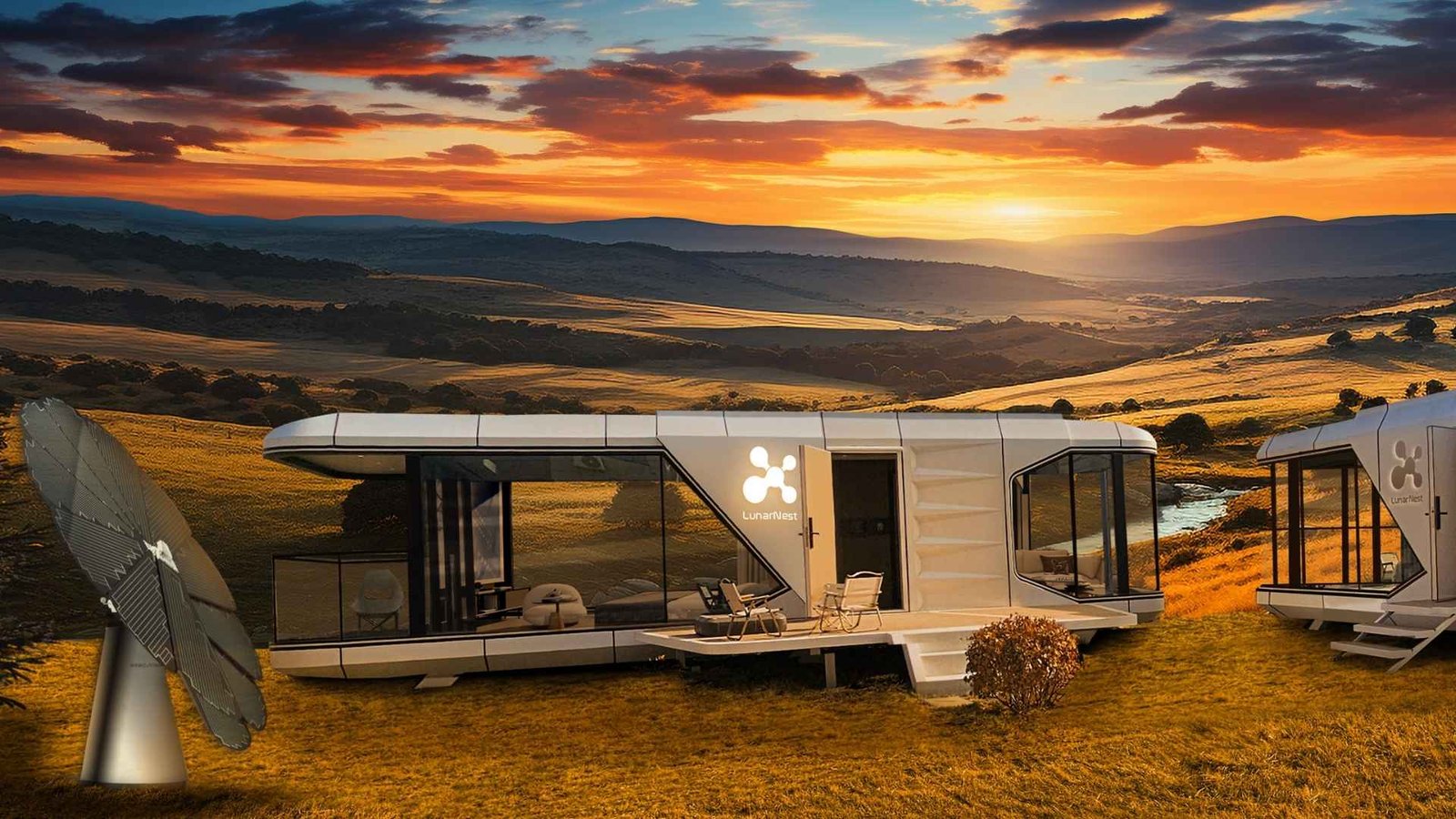
Financing Your Modular or Prefab Home
Banks and lenders have evolved too. Modular and prefab homes are now widely recognised as permanent, mortgage-eligible properties — provided they meet code and are fixed to land.
Learn how to secure finance or a construction loan in modular home financing options for Australians.
Build Smarter with Lunar Nest
Both modular and prefab homes represent the future of Australian housing — faster, greener, and more efficient. If you’re ready to explore the right option for your land, budget, and lifestyle, Lunar Nest is your trusted guide. Start your journey today by downloading our catalogue to explore modular and prefab designs. Then contact Lunar Nest and talk to our team about your build vision.
Frequently Asked Questions
Are modular homes the same as prefab homes?
Not exactly — all modular homes are prefab, but not all prefab homes are modular. Modular homes are pre-built in 3D sections; prefab can include panels or kits.
Which one lasts longer?
Modular homes generally last as long as traditional houses, while prefab kits or relocatable units may have shorter lifespans depending on materials and installation.
Can both modular and prefab homes be customised?
Yes, but modular offers more flexibility in design, layout, and finishes.
Are prefab homes cheaper than modular homes?
Usually, yes. Prefab is more budget-friendly upfront, while modular homes offer better long-term durability and resale value.
Do both meet Australian building codes?
Yes. Lunar Nest ensures that all builds, whether modular or prefab, are designed to comply with Australian Standards (AS/NZS) and meet local council requirements.