
A well-designed prefab home can cost less to own over time thanks to lower energy bills, predictable maintenance, durable construction, and strong resale performance. This is why prefab home resale value in Australia is no longer the concern it once was.
Prefab homes often save money long-term through energy efficiency, durability, lower maintenance, and resale values comparable to traditional homes.
Quick takeaways:
- Long-term savings matter more than upfront price alone.
- Energy efficiency and build quality reduce ongoing costs.
- Modern prefab homes can hold — and grow — their value over time.
Why Long-term Value Matters More than Build Price
When people compare housing options, the focus is usually on the upfront build cost. But the real financial picture emerges years later—through energy bills, maintenance, and eventual resale.
Looking only at the initial 3-bedroom prefab home cost in Australia can overlook where prefab often performs best: the total cost of ownership. Over 10, 20, or 30 years, small efficiencies compound into meaningful savings. This is also why many buyers move beyond headline prices and begin comparing 3-bedroom prefab and traditional costs from a whole-of-life perspective rather than a construction quote alone.
For a broader overview of how prefab compares structurally and practically, our guide on prefab homes and traditional homes provides useful background before diving into long-term costs.
Energy Efficiency: Savings You Feel Every Month
One of the most consistent long-term savings from prefab homes comes from reduced energy use.
High-performance insulation reduces energy use
Prefab homes are typically built with tighter tolerances and high-quality insulation installed in controlled factory conditions. This reduces heat loss in winter and heat gain in summer, meaning less reliance on heating and cooling systems.
These principles are explored further in sustainable and climate-smart design features in prefab homes, which explains how layout, insulation, and orientation directly affect running costs:
Solar-ready and efficient by design
Many prefab homes are designed to easily integrate solar panels, efficient appliances, and smart energy systems. As energy prices rise, these features can significantly reduce long-term household expenses—especially when sustainability upgrades are planned early, as outlined in customising your Lunar G3.
Maintenance Costs: Predictable and Often Lower
Another major contributor to long-term value is how much it costs to maintain the home over its lifespan.
Built to the same standards as traditional homes
Modern prefab homes are built to the same Australian building codes as conventional houses. Structurally, there’s no compromise—and factory precision often results in fewer defects to fix later.
This consistency is one reason many owners report prefab home maintenance costs being comparable to, or lower than, traditional builds—particularly when quality materials are used from the outset.
Durable materials and controlled construction
Because prefab homes are assembled in factory environments, materials are protected from prolonged exposure to weather during construction. This can reduce moisture-related issues sometimes seen in on-site builds, helping keep long-term upkeep more predictable.
Modular Home Lifespan: Designed for Long-term Living
Prefab homes are no longer seen as temporary solutions. In fact, modern modular homes are increasingly chosen as permanent family residences.
Designed to last decades, not years
The modular home lifespan is comparable to traditional housing when properly maintained. Structural systems, materials, and finishes are selected with durability in mind—particularly for three-bedroom homes designed for everyday family living.
Resale Value: Dispelling Outdated Myths
Resale value remains one of the most common questions—but the market has evolved.
Prefab homes can hold value like traditional homes
Well-designed prefab homes no longer suffer the stigma they once did. Energy-efficient prefab homes in good locations are increasingly accepted by buyers, valuers, and lenders.
This is why prefab home resale value in Australia is becoming less of a concern, especially for three-bedroom homes that meet mainstream expectations for layout, performance, and finish.
What supports stronger resale performance
Prefab homes tend to perform best in resale markets when they offer practical family layouts, strong energy performance, and low maintenance requirements—the same qualities highlighted in our guide on why a 3-bedroom prefab is perfect for Australian families.
Comparing Long-term Costs: Prefab vs Traditional
Upfront build costs are only part of the equation.
Where prefab often saves time
When comparing 3-bedroom prefab vs traditional cost across the full ownership period, prefab homes often benefit from lower energy bills, fewer maintenance surprises, and a reduced likelihood of defect rectification.
Combined with faster build times—and fewer months paying rent and a mortgage at the same time—these factors can significantly improve overall affordability. Our prefab and traditional construction cost comparison dives deeper into how these savings accumulate over time.
How the Lunar G3 Supports Long-term Value
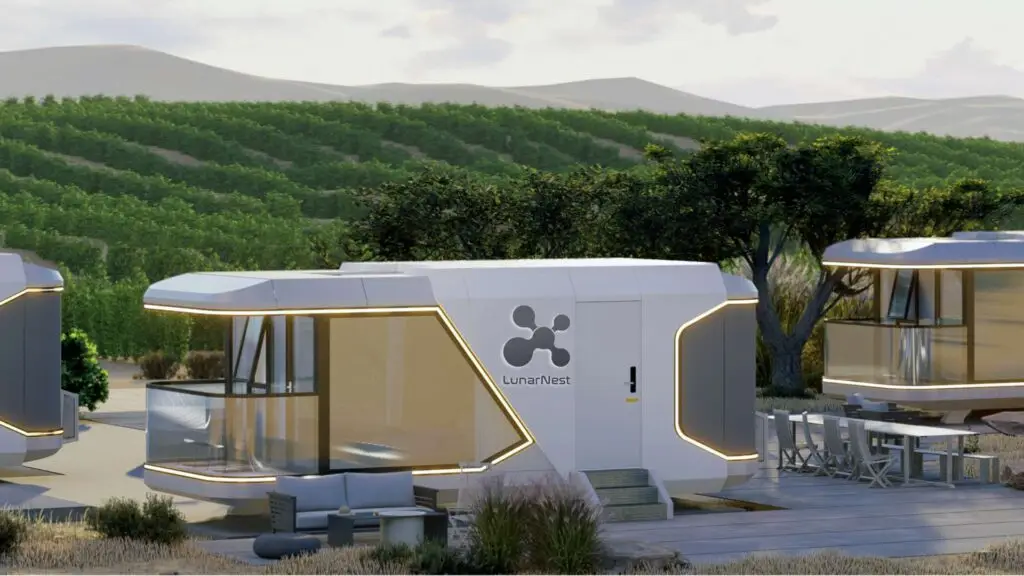
The Lunar G3 3-Bedroom Prefabricated House is designed with long-term ownership in mind, not just upfront affordability.
Balanced layout and efficiency
Its layout supports comfortable family living while allowing energy-efficient zoning and future upgrades.
Built for durability and adaptability
Controlled construction, quality materials, and flexible spaces help the home stay relevant as household needs change—an approach that aligns with many of the design principles discussed in how modular homes transform your life.
Total Cost of Ownership: The Bigger Picture
True value comes from stepping back and looking at the full lifecycle of the home.
Long-term savings add up quietly
Lower utility bills, predictable maintenance, and solid resale performance may not feel dramatic year to year—but over decades, they make a meaningful difference.
This is why many homeowners now see prefab not just as a faster way to build, but as a smarter long-term investment—financially and practically.
Ready to Think Beyond the Upfront Cost?
If you’re weighing your options and want to understand the real value of prefab over time, we’re happy to talk it through. You can get in touch via our contact page, or explore designs and features by downloading the catalogue.
Looking beyond the build price shows why prefab homes continue to gain ground—not just as a construction method, but as a long-term financial decision.
Frequently Asked Questions
Do prefab homes depreciate faster than traditional homes?
No. Quality prefab homes built to modern standards can hold value similarly to traditional homes, particularly when well located and maintained.
Are prefab homes more expensive to maintain?
Maintenance costs are typically comparable or lower, thanks to controlled construction and durable materials.
Do energy-efficient features really save money long term?
Yes. Reduced heating, cooling, and power usage can significantly lower running costs over the life of the home.
Is prefab suitable for long-term family living?
Absolutely. Many prefab homes are designed as permanent family residences with decades-long lifespans.