Prefab homes are no longer a niche alternative — they’re a practical response to rising construction costs, long build times, and growing demand for flexible, sustainable housing in Australia.
At Lunar Nest, we design and deliver prefabricated houses and capsule homes that are built off-site, transported complete, and installed with minimal disruption. The result is a faster, more predictable way to create high-quality living spaces — whether for families, investors, businesses, or off-grid lifestyles.
Not all prefab homes are designed the same way. While some models prioritise compact or temporary use, Lunar Nest also offers family-ready prefabricated houses that feel like traditional homes — not factory units.
Our larger designs focus on:
For buyers looking for a full-scale option, the Lunar G3 3-bedroom prefabricated house is designed for permanent living, Airbnb use, or workforce accommodation — without the delays of conventional construction.
Traditional builds often stretch over many months, with progress affected by weather, labour availability, and site conditions. Prefabricated homes are built in a controlled factory environment, allowing construction to move forward without interruption.
With prefab, you benefit from:
This approach is especially valuable for buyers who need certainty — from families planning a move to operators expanding accommodation quickly.
Prefab construction removes many of the unknowns that inflate traditional build budgets. Because your home is manufactured off-site, costs are defined upfront and less exposed to delays or variations.
Advantages include:
For buyers comparing options, understanding prefab home costs in Australia early can help avoid costly surprises.
Prefabricated homes are inherently more efficient to produce. Controlled manufacturing reduces material waste, improves build accuracy, and allows better energy performance once installed.
Lunar Nest prefab homes are designed with:
Smaller footprints and smarter layouts also mean lower ongoing energy use — without sacrificing comfort.
Every Lunar Nest prefab home is engineered with Australian environments in mind, from coastal regions to inland climates.
Key construction features include:
All designs align with Australian standards and planning and building requirements.
One of the major advantages of prefabricated homes is flexibility. Many models are designed to be relocated if circumstances change.
Prefab homes can suit:
This adaptability makes prefab ideal for both short-term use and permanent installation.
Approval requirements vary by location and use. Depending on the site and model, prefab homes may be approved as:
For buyers researching prefab homes in NSW, Lunar Nest provides documentation and guidance to help navigate approval pathways with greater clarity.
Prefab homes aren’t limited to residential use. They’re widely used for:
Different prefab solutions suit different goals, from compact studios to full residential builds. You can explore how designs compare across layouts and use cases in our prefabricated home designs guide.
In a housing market that has become expensive, slow, and unpredictable, prefabricated homes offer a clearer path forward.
With faster delivery, controlled costs, and modern design, Lunar Nest prefab homes allow individuals and organisations to build with confidence — on their own terms.
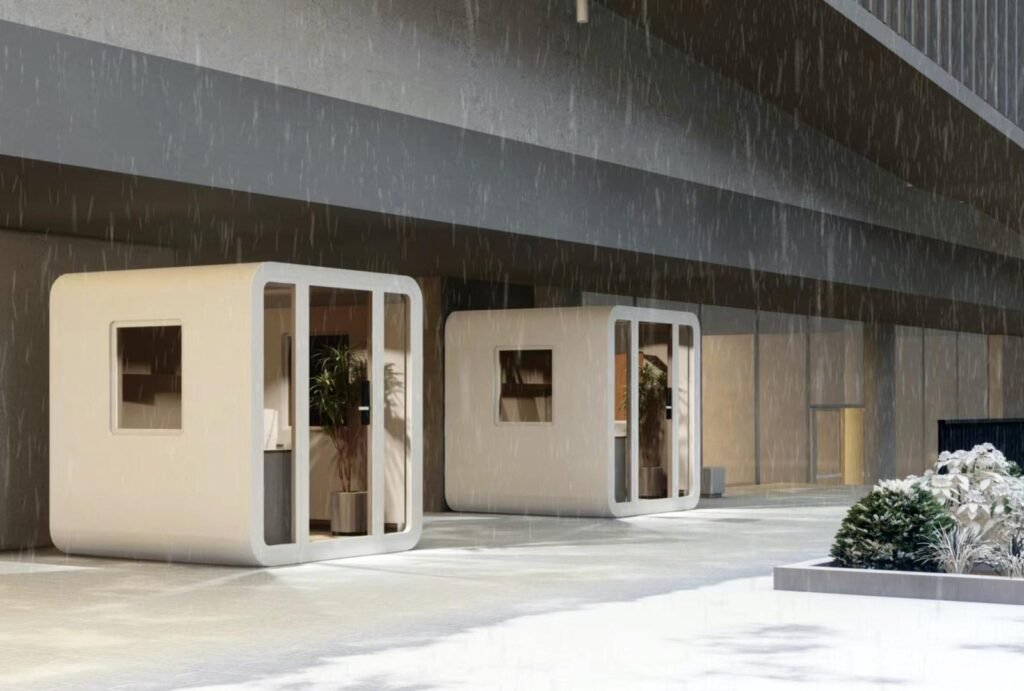
Prefab offers a better way forward — especially in a housing market that’s become expensive, unpredictable, and increasingly out of reach for many Australians.
With high-quality construction, faster delivery, and smarter use of space, Lunar Nest prefab capsule homes are helping people build, live, and grow on their own terms.
Prefab homes are built in a controlled factory environment, allowing construction to continue without delays caused by weather or site conditions. Once completed, the home is transported and installed on-site in a matter of days rather than months.
Prefab homes often offer more predictable costs because pricing is agreed upfront and less affected by labour shortages or site-related delays. This makes budgeting easier compared to traditional construction.
Prefab and modular homes are largely built off-site and delivered in finished sections, while kit homes are typically assembled on-site from individual components. The level of completion and installation time varies between each approach.
Yes. Quality prefab homes are designed and constructed to comply with Australian building codes and standards, just like traditional homes. Approval requirements depend on location and intended use.
Absolutely. Many prefab homes are designed for permanent living and are suitable for families, investors, or long-term accommodation, depending on the model and site conditions.
Yes. Many prefab designs can be configured with solar power, water systems, and efficient insulation, making them well-suited for rural or off-grid environments where flexibility is essential.