
When comparing 3-bedroom prefab vs traditional cost, prefab homes often come out ahead overall—not always because the base price is lower, but because build time is shorter, costs are clearer, and there are fewer financial surprises along the way.
A 3-bedroom prefab can cost less overall than a traditional build once time savings, reduced delays, and clearer pricing are factored in.
Quick takeaways:
- Prefab and traditional builds can look similar on paper, but timelines change the real cost.
- Faster construction often means lower holding, rent, and finance costs.
- Prefab pricing is typically more predictable from the start.
Why Cost Comparisons Need to Look Beyond the Build Price
When people ask whether prefab or traditional construction is cheaper, they’re usually thinking about the headline build cost per square metre. But that number alone rarely tells the full story.
A more realistic comparison looks at total cost, including build time, labour variability, financing, and the cost of delays. That’s where the difference between prefab and conventional construction becomes clearer—especially for a standard three-bedroom home.
This broader view is essential if you’re trying to understand the true 3-bedroom prefab home cost in Australia, not just the advertised starting price.
The Two Build Methods at a Glance
Before diving into numbers, it helps to understand how the two approaches differ.
Traditional construction typically involves building everything on site, often over many months, with multiple trades working sequentially. Weather delays, labour availability, and material price changes can all affect timelines and budgets.
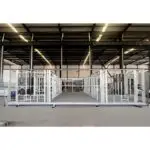
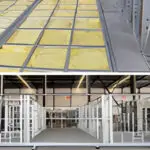
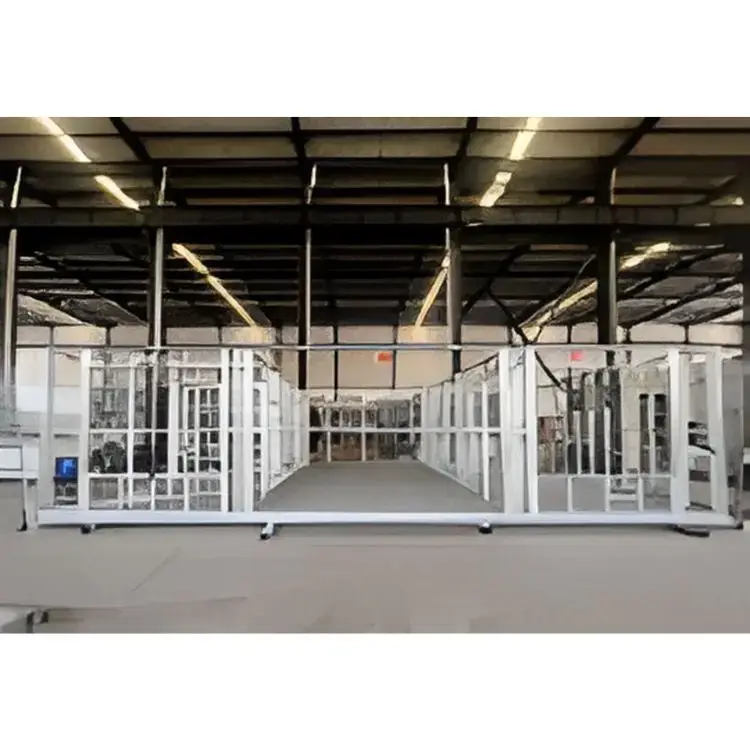
Prefab construction, on the other hand, involves manufacturing most of the home in a factory while site works happen in parallel. Once the modules are delivered, installation is fast—often measured in days rather than months. This process is explained in more detail on how modular homes transform your life, which outlines why timelines are one of prefab’s biggest advantages.
A Real-world Comparison: 120m² Three-bedroom Home
To make this practical, let’s compare a hypothetical 120m² three-bedroom home built two ways: prefab versus traditional stick-built construction.
Base construction cost
At face value, the base construction cost for both methods can appear similar. Traditional builds and prefab homes may both fall within a comparable per-square-metre range depending on finishes and inclusions.
However, prefab pricing is usually defined earlier, with fewer allowances and provisional sums. This makes the initial figure more reliable than many traditional quotes.
You can see how this works in practice by looking at a real prefab option like the Lunar G3 3-Bedroom Prefabricated House, which provides a clear reference point for inclusions and layout before site costs are added.
Time is Money: Where Prefab Often Saves The Most
One of the biggest cost differences isn’t the build price—it’s the timeline.
Prefab construction time savings
Traditional builds often take 9–12 months (or longer), especially when delays occur. Prefab homes are frequently completed in a much shorter timeframe because manufacturing and site preparation happen at the same time.
Shorter build times can reduce:
- Rental costs while waiting to move in
- Mortgage interest on land or construction loans
- Holding costs and stress from extended builds
These prefab construction time savings can translate into thousands of dollars, even if the base build cost looks similar on paper.
Labour, Delays, and Cost Certainty
One of the highest hidden costs in any build isn’t materials—it’s uncertainty. Labour availability and weather can have a major impact on both timelines and budgets.
Labour and weather risks
Traditional construction is more exposed to labour shortages and weather disruptions, which can stretch timelines and inflate costs. Every delay increases holding and finance costs.
Prefab construction reduces these risks by moving most of the work into a controlled factory environment. This leads to more predictable schedules and fewer cost blowouts—a key reason many buyers compare prefab and stick-built costs before committing.
Site, Transport, and Installation Costs
It’s important to acknowledge that prefab homes come with unique costs too.
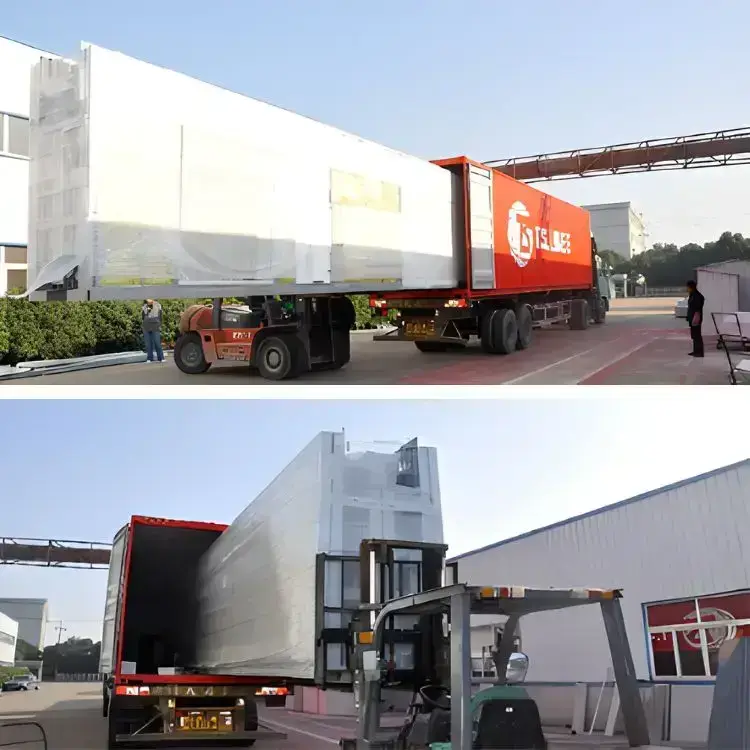
Transport, cranage, and installation are additional line items that don’t exist in the same way for traditional builds. However, these costs are usually known upfront and occur over a very short period, rather than being spread unpredictably over months.
If you want a detailed look at how these costs fit into the bigger picture, our guide to budgeting for a 3-bedroom prefab home in Australia breaks each category down clearly.
Financing and Cash Flow Differences
Beyond the build price itself, the way a project affects your monthly finances during construction can make a big difference.
Fewer months, fewer payments
Long build timelines often mean paying rent and a mortgage at the same time. With prefab, faster completion can reduce or eliminate this overlap.
For many households, this cash flow difference matters just as much as the final build price—especially in today’s interest rate environment.
Long-term Value and Resale Considerations
A smart cost comparison doesn’t stop once the home is finished—it also looks at how the property performs over time.
Looking beyond upfront cost
A true cost comparison also considers how the home performs over time. Energy efficiency, build quality, and layout flexibility all influence prefab home resale value in Australia.
Well-designed prefab homes that are energy-efficient and family-friendly are increasingly attractive to buyers, particularly as prefab becomes more mainstream. Lower running costs and solid construction can improve long-term value, not just short-term savings.
Prefab vs Traditional: Where Each Makes Sense
Choosing between prefab and traditional construction often comes down to priorities rather than a single “right” answer.
Faster build times matter
Prefab construction suits buyers who want to move in sooner and avoid long, drawn-out build schedules.
Clearer pricing reduces uncertainty
Upfront pricing and fewer provisional costs make prefab appealing for those who value budget certainty.
Reduced risk of delays brings peace of mind
With most construction happening in a factory, prefab homes are less exposed to weather and labour disruptions.
Traditional construction may still appeal to those seeking highly bespoke designs or working with complex sites that limit delivery access. The key is understanding which costs—and risks—matter most to your situation.
How the Lunar G3 Fits into this Comparison
The Lunar G3 is a good example of how prefab can simplify cost comparison. Its defined design, standard inclusions, and efficient layout make it easier to estimate total costs early—without endless variations.
If you’re still weighing options, pairing this with a detailed budget plan can help clarify whether prefab or traditional construction suits you better.
Ready to Compare Your Options?
If you’re deciding between prefab and traditional construction and want clarity on real costs—not just estimates—we’re happy to help. You can get in touch via our contact page, or explore real prefab options by downloading the catalogue.
Understanding the true 3-bedroom prefab vs traditional cost puts you in control before you commit—financially and emotionally.
Frequently Asked Questions
Is prefab always cheaper than traditional construction?
Not always on base price alone, but prefab often costs less overall once time savings and reduced delays are considered.
Does prefab really build faster?
Yes. Factory construction and parallel site works significantly shorten build timelines.
Are prefab homes lower quality?
No. Many prefab homes are built to high standards with consistent quality due to controlled factory conditions.
Which has better resale value?
Resale depends on design, location, and performance. Well-designed prefab homes can hold value well, especially as acceptance grows.