
The best interior design ideas for compact tiny homes focus on natural light, efficient layouts, multifunctional furniture, thoughtful storage and warm, durable materials that make small spaces feel open, calm and intentional.
Tiny home interior design in Australia blends natural light, clever storage, warm materials and efficient layouts to create compact spaces that feel open, balanced and highly functional.
Quick takeaways:
Why tiny homes: Lower costs, greater flexibility and a smaller footprint.
Who they’re for: Downsizers, rural landowners, Airbnb hosts and anyone seeking intentional small-space living.
What to consider: Layout flow, storage, window placement, materials, multifunctional furniture and long-term comfort.
How we help: At Lunarnest, our prefab pods and micro homes use warm materials, clean lines and efficient layouts to make compact interiors feel calm, functional and generously proportioned.
Why interior design matters more in a tiny home
Interior design plays a deeper role in tiny homes than in traditional houses. When your living space is compact, every element — colour palette, window placement, texture and storage — influences how the home feels, functions and flows.
Good tiny-home design isn’t about making the space look larger. It’s about creating a home that feels balanced, comfortable and intentionally shaped around the way you live. In many ways, it’s closer to designing a well-planned cabin or studio retreat than decorating a conventional house.
Lunarnest’s prefab pods and micro homes naturally support this approach because they begin with a clean architectural foundation — warm, natural palettes, generous windows and proportionally designed layouts that feel calm despite a smaller footprint. This gives you a strong base for thoughtful interior design choices.
If you’re still determining whether tiny living aligns with your lifestyle, our broader guide on tiny homes in Australia offers helpful context before you begin planning your interiors.
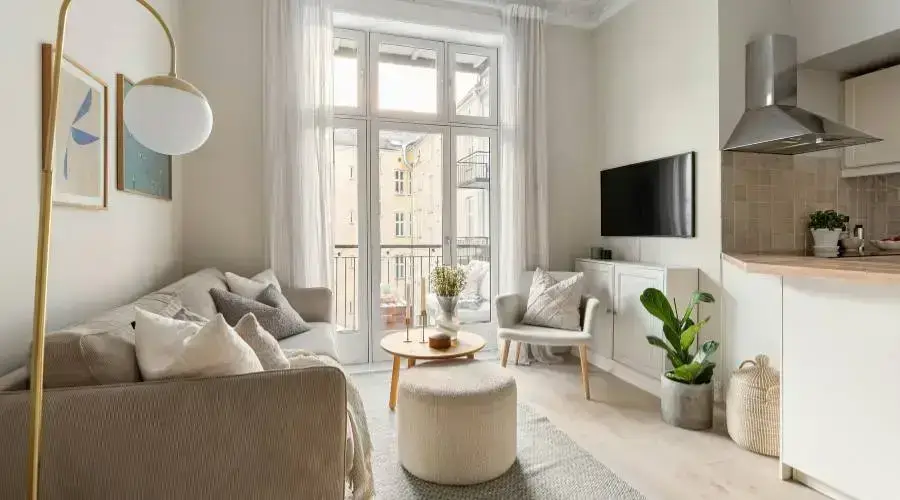
Start with natural light
Natural light is one of the most powerful tools in compact design. It’s not about having more light — it’s about having better light.
What makes the biggest difference inside a tiny home:
Large windows positioned with intention
Well-placed glazing draws the eye outward, extending the sense of space beyond the walls.
Clear sightlines
Avoiding heavy internal divisions allows the interior to flow naturally from one zone to another.
Soft, neutral palettes
Light, warm tones bounce light around the room and create a relaxed, open feeling.
Connection to outdoor space
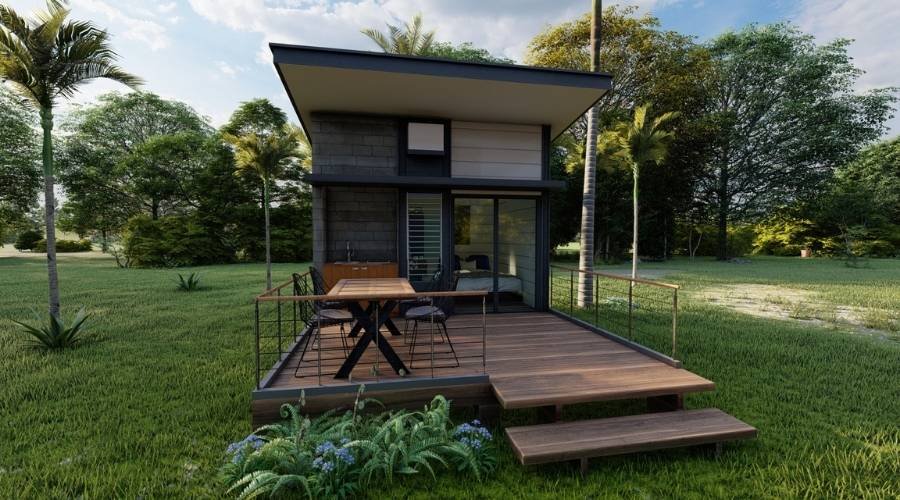
Even a small deck or seating nook can expand the living experience without increasing your footprint.
If you’re exploring how your interior interacts with your landscape, our guide on off-grid tiny homes explains how orientation and natural light influence energy use and thermal comfort — especially on rural and remote land.
Thoughtful storage that simplifies daily life
Clutter builds quickly in compact spaces. The goal isn’t to declutter more often — it’s to design storage so everything already has a place.
In tiny homes, storage works best when it is:
- Integrated rather than added later
- Hidden behind clean joinery to maintain visual calm
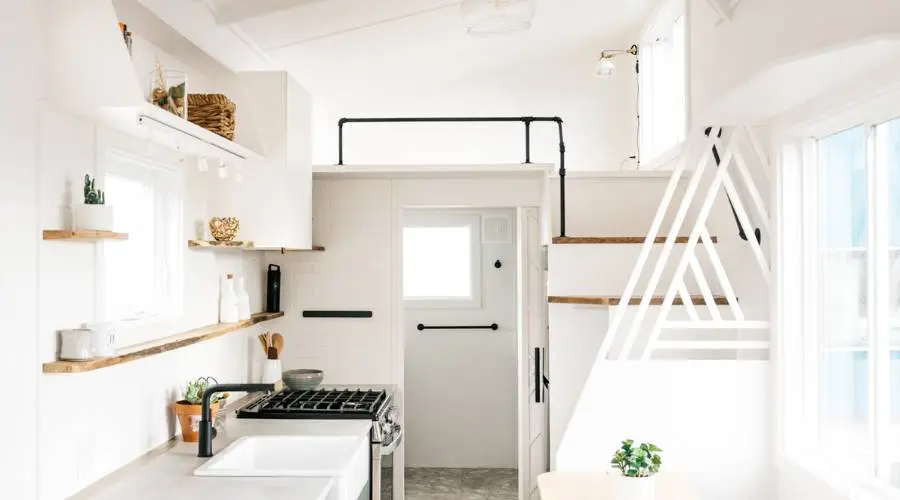
- Built into multi-level areas like bed platforms, benches or steps
- Sized correctly so cupboards aren’t overfilled
Lunarnest’s prefab pods and micro homes often include built-in joinery, under-bench cabinetry and efficient layouts that naturally keep surfaces clear and support a calm, quiet interior rhythm.
Good storage doesn’t make a home smaller — it makes life easier.
Furniture that adapts to your lifestyle
In a compact home, furniture works hardest. Instead of pieces that serve a single purpose, look for designs that evolve throughout the day. A bench with hidden storage, a dining table that doubles as a workspace, or a sofa that can comfortably host overnight guests can each give you far more flexibility than their footprint suggests. These aren’t gimmicks — they’re practical ways to create breathing room without sacrificing daily comfort.
Scale also plays a major role. Oversized couches, bulky armchairs or heavy coffee tables can dominate a small floor plan, even if they’re beautifully designed. Opt for furniture with slimmer frames or raised legs; these details help light circulate visually and prevent the interior from feeling weighed down. In small spaces, furniture should support your lifestyle, not compete with it.
Material choices that bring warmth and comfort
Tiny homes respond beautifully to warm, natural materials. Soft timber tones, textured fabrics and matte finishes add depth, preventing compact spaces from feeling clinical or overly minimal.
Material choices also influence:
- Thermal comfort, helping the home stay naturally warm in winter and cooler in summer
- acoustic softness, reducing echo and making small interiors feel calmer
- maintenance needs, since durable finishes stand up better to constant use
- long-term durability, ensuring surfaces age gracefully in compact, high-traffic spaces
Lunarnest’s prefab pods use harmonious, neutral palettes — warm whites, soft timbers and matte finishes — creating interiors that feel peaceful, modern and easy to personalise.
Designing for airflow and thermal balance
In a country with climates as varied as Australia’s, airflow matters. Compact spaces heat and cool more quickly, which means your design choices have a direct impact on comfort and overall efficiency.
Thoughtful window placement encourages natural cross-ventilation and allows breezes to move through the home. Ceiling fans or intentional airflow pathways then help circulate air without relying solely on air-conditioning, which is especially useful in small, energy-sensitive interiors.
Thermally efficient window coverings also play an important role. They add insulation while still giving you control over light and privacy, helping the space feel comfortable throughout different seasons.
Together, these details reduce heating and cooling reliance and help maintain a stable interior throughout the day. If you’re planning an off-grid setup, thermal design becomes even more important, as these principles directly influence energy efficiency and long-term independence — a topic we explore further in our guide on tiny home living cost.
Sectioning space without shrinking it
Tiny homes don’t need to be completely open-plan. The key is to separate zones without building heavy walls that visually compress the space.
Some gentle approaches include:
Changes in ceiling height
Small shifts in ceiling height can gently define different zones without adding walls or interrupting the flow of the space. A slightly lower ceiling over a sleeping area or workspace creates a sense of arrival and makes each zone feel more intentional. These subtle variations add architectural interest while helping the home remain open and visually balanced.
Shifts in flooring material
Using different flooring materials is an effective way to signal transitions between activities in a compact layout. A change from timber to tile, or the introduction of a textured rug, can outline a zone without taking up physical space. This approach keeps the interior cohesive while giving each area its own quiet identity.
Soft curtains or sliding screens
Soft curtains and sliding screens offer privacy without adding bulk. They allow you to section off areas when needed — such as for sleeping or working — and then open everything back up to restore openness. Their flexibility makes them ideal for layouts where permanent walls would feel too heavy.
Built-in furniture that naturally defines zones
Built-in benches, shelving, raised platforms or compact cabinetry can naturally shape different zones within a tiny home. These pieces act as subtle boundaries while still providing practical storage or seating. Because they’re integrated into the layout, they help define each area without crowding the overall space.
These cues create distinction while maintaining the openness that compact homes rely on.
Blending indoor and outdoor space
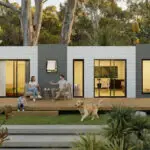
One of the most effective interior design strategies for tiny homes happens outside. A deck, paved courtyard, pergola or simple seating area can dramatically expand the perceived living area. When the threshold between inside and out feels seamless, the home feels larger and more welcoming.
This approach pairs beautifully with retreat-style prefab pods and compact rural stays. If you’re considering guest accommodation, our tiny homes and granny flats overview can help you determine which structure aligns best with your goals.
Bringing personality into small spaces
Small spaces don’t limit expression — they encourage intention. Instead of filling shelves with decor, choose a few meaningful pieces that set the tone of the room. A textured throw can soften a minimalist palette, a single artwork can anchor the space emotionally, and a carefully placed plant can make tight corners feel more alive.
In a tiny home, character comes from curation, not quantity. When each item carries purpose or sentiment, the space feels warm and lived-in without becoming cluttered.
Start Your Tiny Home Journey, Today
If you’re designing a compact home or planning your first tiny-living space, thoughtful interior design will shape how calm, open and functional your home feels. Lunarnest’s prefab pods and micro homes provide a warm, architectural foundation that supports beautiful, intentional interiors.
Speak with Lunarnest for a personalised consultation, or download our catalogue to explore designs crafted for compact living.
Frequently Asked Questions
What makes a tiny home interior feel larger?
Natural light, clear sightlines, neutral palettes and well-designed storage all help a compact space feel more open.
What colours work best in tiny homes?
Soft neutrals, warm whites and natural timber tones create a calm, spacious atmosphere.
How do you furnish a small home without overcrowding it?
Choose scaled furniture, multifunctional pieces and integrated storage to maintain visual balance.
Can tiny homes still feel warm and cosy?
Absolutely — warm materials, soft textures and thoughtful lighting create a welcoming, comfortable interior.
How do I start designing my tiny home interior?
Begin with natural light, layout flow, storage planning and materials that reflect how you want the space to feel day to day.