

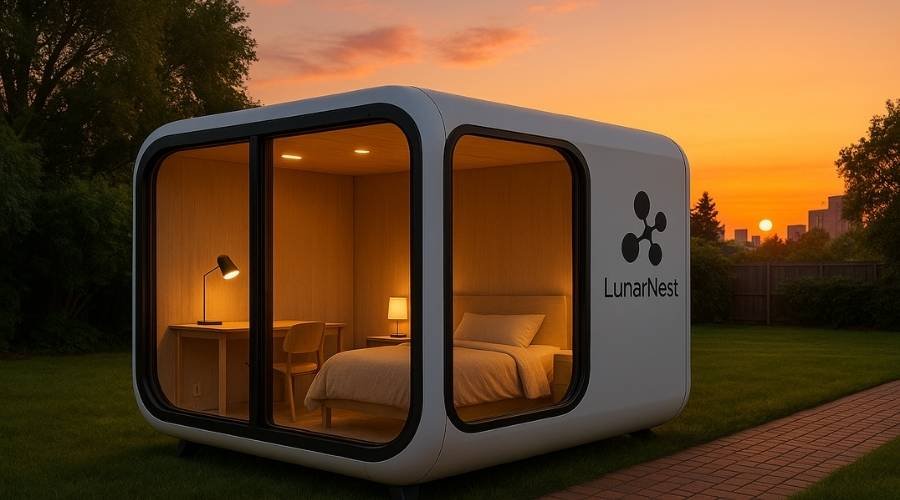
Tiny home insurance in Australia is shaped mainly by how a home is installed, approved, and used, not just its size or value. Homes that aren’t permanently fixed or approved as residential dwellings are often treated as assets rather than property, which affects what insurers will cover and how policies are structured. This is where many buyers are caught off guard. We do not offer insurance.
In Australia, tiny home insurance is possible in most cases, but coverage varies significantly between tiny homes on wheels, prefab homes, and permanently installed modular homes.
Key takeaways:
- Why insurance options vary: From our experience, insurers focus on how a tiny home is installed and approved, not just its build quality. Homes that aren’t permanently fixed are usually insured as assets rather than dwellings, which can limit cover and exclusions.
- Who does this affect most: This is especially relevant for first-time tiny home buyers, downsizers, rural landowners, Airbnb hosts, and anyone planning to use a tiny, prefab, or modular home as a long-term living or accommodation solution.
- What to understand early: Installation method, intended use, council approvals, location, and how insurers are likely to classify the home all play a major role in determining what insurance options are realistically available.
- Lunar Nest’s role: We help you understand the practical and planning considerations around tiny, prefab, and modular homes — including installation and approvals — so you can make informed decisions before committing. We do not provide finance or insurance.
Why Tiny Home Insurance Works Differently in Australia
From our experience, insurers don’t assess tiny homes based on size — they assess them based on risk, permanence, and approval status.
Most standard policies assume the home is permanently fixed to land, council-approved as a dwelling, and connected to services. Many tiny homes don’t meet those assumptions, particularly tiny homes on wheels or relocatable designs.
When a home doesn’t fit the traditional mould, insurers often treat it as an asset rather than a dwelling. This is why buyers across New South Wales often find insurance requirements vary depending on council approval pathways and site conditions.

Insurance for Tiny Homes on Wheels
Insurance becomes more complex when we’re talking about tiny homes on wheels.
Because these homes are movable, they’re rarely covered by standard home insurance. From what we see, coverage is usually handled through specialist or asset-style policies rather than traditional building insurance.
This matters even more when tiny homes on wheels are placed on rural or semi-rural land in NSW, where access, zoning, and usage can influence what insurers are willing to cover.
This is also where insurance and finance start to overlap, which is why we often recommend understanding tiny home financing options in Australia alongside insurance, not after.
Insurance for Prefab and Modular Homes
Insurance is usually more straightforward for prefab homes and modular homes that are installed permanently.
When a prefab or modular home is fixed to approved foundations, council-approved, and treated as a dwelling, insurers are generally more comfortable offering cover that resembles standard home insurance.
This is one of the reasons we often see buyers leaning toward permanently installed prefab or modular homes in NSW, particularly when long-term living, rental use, or mortgage-style lending is part of the plan.
If you’re still deciding between build types, comparing modular homes and prefab homes early can help clarify how installation affects both insurance and finance.
How Usage Affects Tiny Home Insurance
One of the most overlooked parts of insurance is how the home will actually be used.
From our experience, insurers assess homes very differently depending on whether they’re used for full-time living, short-stay accommodation, or staff housing. A tiny home used as an Airbnb, for example, often requires a different cover than a primary residence.
We see this question come up frequently alongside discussions about tiny home living costs in Australia, as insurance forms part of the ongoing cost picture.
Why Insurance Matters for Finance and Mortgages
Insurance and finance are closely linked.
Homes that can be insured as permanent dwellings are generally easier for lenders to assess, while movable homes with limited insurance options can raise concerns. This is one of the reasons many tiny homes don’t qualify for mortgage-style lending.
If you’re exploring this side of things, we explain the relationship between lending and permanence in more detail in a blog that answers whether you can get a mortgage for a tiny home.
Common Insurance Gaps We See
The biggest issues we see aren’t usually people being uninsured — they’re people being under-insured or misunderstanding what their policy actually covers.
Common gaps include limited cover during transport, exclusions for off-grid systems, or policies that don’t match how the home is actually being used.
From our experience, these gaps often appear when buyers are comparing upfront costs without looking at the bigger picture. We regularly see people focus on base pricing while overlooking how insurance, approvals, and long-term risk differ depending on the build approach. This becomes especially important when weighing up the buy prefab home or build cost decision, as permanently installed prefab or modular homes are usually easier to insure than relocatable or custom builds, which can affect ongoing costs, lender confidence, and overall peace of mind.
These insurance gaps often sit alongside other overlooked expenses, which is why we recommend understanding the hidden costs when buying a prefab or kit home as part of your planning.
How We Help at Lunar Nest
At Lunar Nest, we don’t provide insurance — and we’re very upfront about that.
What we do is help you understand how insurance fits into the bigger picture when choosing between tiny homes, prefab homes, or modular homes.
We focus on clarity early, so insurance, finance, and approvals don’t become unexpected blockers later.

So, Can You Insure a Tiny Home in Australia?
Yes — but the details matter.
From our experience, insurance works best when expectations are set early. The way your home is installed, approved, and used will shape what cover is available and how smooth the process feels.
Once that’s clear, insurance becomes far less intimidating — and far less likely to derail your plans.
Ready to take the next step?
If you’d like a clearer idea of what’s realistic for your setup, you can contact us so we can talk through your options. If you’re still comparing layouts and ideas, you can also download the catalogue to explore designs and specifications at your own pace.
Frequently Asked Questions
Can you insure a tiny home in Australia?
Yes. From what we see, insurance is available, but the type of policy depends on whether the home is fixed, relocatable, or on wheels.
Is insurance different for tiny homes on wheels?
Yes. Tiny homes on wheels are usually insured under specialist or asset-style policies rather than standard home insurance.
Are prefab and modular homes easier to insure?
In many cases, yes — particularly when installed permanently and approved as dwellings.
Does insurance affect finance approval?
Yes. From our experience, lenders often require appropriate insurance, and limited cover can restrict financing options.